
Elevator Sliding Guide Shoes: The Critical Component Setting New Standards for Safety, Stability, and Lasting Reliability
Elevator Sliding Guide Shoes: The Critical Component Setting New Standards for Safety, Stability, and Lasting Reliability
If you work in elevator installation, maintenance, modernization, or procurement, you already know that every ride depends on thousands of precisely engineered parts working in perfect harmony. Among them, one component stands as the silent guardian of ride quality and passenger safety—the elevator sliding guide shoe.
What Exactly Are Elevator Sliding Guide Shoes?
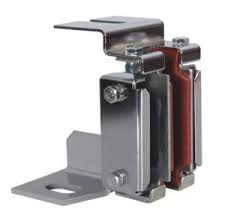
Let‘s start with the basics. Elevator sliding guide shoes are mechanical devices mounted directly onto the elevator car frame and counterweight assembly. They run along the guide rails inside the hoistway, preventing lateral movement, reducing unwanted vibrations, and keeping the elevator car perfectly aligned throughout its entire journey-17. Without properly functioning sliding guide shoes, even the most sophisticated elevator system would wobble, bind, or derail.
When you choose high-quality elevator sliding guide shoes, you’re not just buying a spare part—you‘re investing in the very foundation of safe and comfortable vertical transportation.
Beyond just alignment, sliding guide shoes also absorb dynamic loads and dampen vibrations caused by acceleration, deceleration, and uneven rail surfaces. This dual function makes them indispensable for maintaining both passenger comfort and long-term mechanical health. Whether the application calls for fixed elevator sliding guide shoes or elastic designs, the core mission remains the same: provide a stable, low-resistance interface between the moving elevator and the stationary guide rail.
Elevator Sliding Guide Shoes vs. Roller Guide Shoes: Which One Do You Need?
Not all guide shoes are created equal. The elevator industry primarily relies on two types: sliding and roller. Understanding their differences is essential for making the right purchasing decision.
Elevator sliding guide shoes use a solid block or replaceable insert—often made of wear-resistant engineered plastics, bronze, or advanced composites—that slides directly along the guide rail-11. They are widely used in low- to mid-speed elevators, typically up to 2.0 m/s for car applications and 2.5 m/s for counterweight frames-1.
In contrast, roller guide shoes use precision ball or roller bearings that roll along the rails, significantly reducing friction but coming with higher initial costs and more demanding installation requirements-.
So, what makes sliding guide shoes the preferred choice for countless elevator projects worldwide? Here’s why:
-
Cost-Effective & Widely Available — Elevator sliding guide shoes have a lower initial purchase price and are available from a broad network of suppliers, making them ideal for budget-conscious projects without compromising reliability-11.
-
Quieter Operation — In residential buildings, hotels, and hospitals where noise matters, sliding guide shoes consistently outperform roller guides by eliminating bearing-related high-frequency noise-26.
-
Simpler Maintenance — With no complex rolling elements to fail, elevator sliding guide shoes require less frequent adjustments and are easier to service. Many modern designs feature replaceable liners that can be swapped out quickly during routine maintenance.
-
Superior Vibration Damping — The sliding contact inherently absorbs shocks and vibrations, delivering a smoother ride in low- to mid-speed applications where roller systems can transmit rail imperfections directly into the car.
For applications up to 2.5 m/s, elevator sliding guide shoes remain the industry‘s gold standard—offering the ideal balance of performance, reliability, and affordability. In fact, the global elevator guide shoe market was valued at approximately USD 95 million in 2024 and is projected to reach USD 149 million by 2031, growing at a CAGR of 6.5%-32. This growth reflects the increasing demand for replacement parts and modernization solutions worldwide.
The Materials Science Behind Premium Sliding Guide Shoes
The performance of any elevator sliding guide shoe is only as good as the materials used in its construction. Over the past decade, the industry has moved decisively away from traditional cast iron and bronze toward advanced polymers and composite materials that deliver longer life and smoother operation.
Here are the key materials you need to know:
PTFE (Polytetrafluoroethylene) —The Friction Killer
Better known by its brand name Teflon, PTFE has an extremely low coefficient of friction—typically around 0.1 or less. When incorporated into an elevator sliding guide shoe as a lining or insert, PTFE allows the car to glide effortlessly along the guide rails while significantly reducing wear-25. PTFE also contributes to noise reduction and extends the service life of both the sliding guide shoe and the rail itself.
High-Performance Polymers & Composites
Modern elevator sliding guide shoes increasingly use engineered polymers such as ultra-high-molecular-weight polyethylene (UHMWPE), polyamide (nylon), and polyurethane. Studies show that nylon exhibits the lowest wear rate among common guide shoe materials, followed by polyurethane and PTFE-.
Composite materials offer additional advantages: they are lighter than metals—reducing overall system weight and energy consumption—while remaining strong, corrosion-resistant, and capable of withstanding harsh environmental conditions-25.
Wear-Resistant Inserts and Linings
Many premium elevator sliding guide shoes feature replaceable sliding pads or liners made from wear-resistant compounds. Depending on your application—whether it’s heavy-load commercial elevators or medium-speed residential units—you can choose between Shore D65 (standard) or Shore D84 (harder, longer-wearing) inserts-1. This flexibility means you get maximum service life without unnecessary over-engineering.
Replacing worn liners is straightforward and cost-effective. A well-maintained sliding guide shoe with a quality lining can deliver a service life of 3 to 5 years under normal operating conditions-.
Why So Many Buyers Are Turning to China for Elevator Sliding Guide Shoes
In recent years, China has emerged as the world’s dominant manufacturing hub for elevator components—including elevator sliding guide shoes. The reasons are as straightforward as they are compelling:
Unmatched Manufacturing Capacity — Chinese factories produce millions of sliding guide shoes annually, supplying replacement parts and OEM components to markets across North America, Europe, the Middle East, Southeast Asia, and Africa. Typical supply capacities range from 5,000 to 10,000 units per month per facility-26.
Competitive Pricing Without Quality Compromise — Through economies of scale and integrated supply chains, Chinese manufacturers deliver elevator sliding guide shoes at prices that are often 20 to 40 percent lower than European or North American alternatives. This allows buyers from building owners and maintenance firms to procure reliable components while controlling project budgets.
Stringent Quality Control & International Certifications — Leading Chinese manufacturers produce elevator sliding guide shoes that comply with ISO 9001 and CE standards, and are built to meet global safety requirements including EN 81 and ASME A17.1. Many factories used automated CNC machining lines, precision assembly stations and in-process quality checkpoints to ensure every component meets spec-26.
Innovation in Design — Chinese R&D teams are actively advancing sliding guide shoe technology, incorporating PTFE linings, grooved contact surfaces for debris management, and adjustable mounting mechanisms that simplify installation and extend service intervals. Products like the OX-029 and DX2 series showcase grooved contact surfaces that channel debris away from the slide zone while PTFE linings slash friction to the absolute minimum-25.
With the U.S. tariff adjustments in 2025 creating new complexities in global supply chains, forward-thinking buyers are diversifying their sourcing strategies. China-based manufacturers offer stable pricing, reliable lead times, and the production flexibility to handle both high-volume stocking orders and just-in-time deliveries-32.
How to Choose the Right Sliding Guide Shoes for Your Elevator
Selecting the correct elevator sliding guide shoe might seem straightforward, but getting the right match for your specific elevator system requires careful consideration of several critical factors:
1. Guide Rail Compatibility
Not all sliding guide shoes fit all rails. Standard guide rail widths typically range from 9 mm to 19 mm, with head thicknesses spanning 5 mm to 32 mm depending on the model-1. Before ordering, measure your existing rails or consult your elevator’s original specifications.
2. Rated Speed and Load Capacity
Different sliding guide shoes are engineered for different operating conditions. For car applications up to 2.0 m/s and counterweight applications up to 2.5 m/s, standard elevator sliding guide shoes offer reliable performance-1. Always match the shoe’s rated speed and load capacity to your elevator’s actual operating parameters.
3. Load Specifications and Mechanical Stresses
Understanding your elevator’s load profile is critical. Sliding guide shoes are engineered to handle specific positive forces (the force pressing the shoe against the rail head front) and yawing forces (lateral pressure from the rail side). For high-rise or heavy-traffic systems, opt for models with higher load ratings to prevent premature wear and ensure long-term stability.
4. Maintenance Expectations
Consider your team‘s maintenance capacity. Some elevator sliding guide shoes are designed for permanent lubrication—ideal for high-frequency installations where consistent performance is non-negotiable. Others require annual or semi-annual lubrication, making them suitable for less demanding applications-1. Self-lubricating sliding guide shoes represent the latest innovation, incorporating grease reservoirs or inherently low-friction materials.
5. Environmental Conditions
If your elevators operate in humid, coastal, or industrial environments, choose sliding guide shoes with corrosion-resistant bodies—often AISI 304 stainless steel or treated composites. Standard carbon steel bodies may suffice for indoor, climate-controlled applications but will not hold up under demanding conditions-2.
6. Material Selection for Liners and Bodies
The choice of liner material directly affects wear rates, noise levels, and maintenance frequency. PTFE liners offer the lowest friction, while high-durometer nylon or polyurethane inserts provide exceptional durability in abrasive environments. Always consult your supplier about available material options for both the sliding pad and the shoe body.
The Growing Replacement Market: Why Demand for Sliding Guide Shoes Is Rising
One of the most important trends driving the sliding guide shoe market today is the accelerating modernization and maintenance of aging elevator fleets.
Here‘s the reality: elevators have an average service life of 20 to 30 years, but key wearing components—including elevator sliding guide shoes—require replacement far more frequently. Wear on sliding surfaces, degradation of composite liners, and gradual misalignment all make periodic replacement of sliding guide shoes a critical part of preventative maintenance programs worldwide-32.
Adding to this demand, the global elevator guide shoe market is projected to grow from USD 95 million in 2024 to USD 149 million by 2031 at a CAGR of 6.5%-32. Expanding infrastructure projects, rising urbanization, and stricter safety regulations are all contributing to sustained growth in both new installations and replacement parts.
For maintenance companies and building owners, proactively replacing worn sliding guide shoes reduces vibration, lowers energy consumption, and prevents rail damage that could lead to much costlier repairs down the line. The message is clear: investing in high-quality elevator sliding guide shoes today saves you money tomorrow.
Elevator Sliding Guide Shoes in Modern Elevator Systems
Modern traction elevators—including MRL (Machine-Room-Less) systems—as well as hydraulic elevators rely on sliding guide shoes to maintain alignment and ride quality. In hydraulic elevators, where no counterweight exists, the guide shoes are mounted exclusively on the car. Worn or improperly aligned sliding guide shoes can cause rattling, squeaking, uneven wear on rails, and unsafe operating conditions-17.
The rise of high-rise construction and premium residential towers has also pushed elevator sliding guide shoes to evolve. Today’s best-in-class designs include:
-
Grooved or segmented contact surfaces that distribute loads evenly, preventing localized rail wear and extending overall system life-25.
-
Adjustable mounting mechanisms that allow fine-tuning for rail misalignment, simplifying installation and ensuring optimal contact at all times-26.
-
Modular designs that reduce downtime during field replacements—critical for high-traffic buildings where elevator availability is a key performance metric.
Looking further ahead, some companies are beginning to integrate sensors into sliding guide shoes to enable real-time monitoring of rail wear and shoe condition, providing essential data for predictive maintenance programs-32.
Why Source Elevator Sliding Guide Shoes from a Specialized Factory?
When you source elevator sliding guide shoes directly from a specialized manufacturer rather than a general distributor, you gain immediate advantages:
-
Better Pricing — Factory-direct means no middleman markups. You pay for the product, not layers of distribution.
-
Quality Control — You‘re buying from the organization that actually produces the sliding guide shoes, meaning full control over materials, tolerances, and testing.
-
Customization Options — Rail width variations, special load requirements, and unique mounting configurations can be accommodated when you work directly with the factory.
-
Reliable Supply — Factory-backed production schedules and stocking programs ensure you never face backorders during critical maintenance windows.
For these reasons and more, experienced buyers from Europe, the Americas, the Middle East, and Asia increasingly turn to China-based specialists for their ongoing elevator sliding guide shoe requirements.
At this point, you probably want to see exactly what high-performance elevator sliding guide shoes look like and how our specific solutions can meet your project requirements. Visit https://ginotek.com to explore our full product lineup, including detailed technical specifications, dimensional drawings, and material data sheets.
For immediate inquiries, spare parts pricing, international shipping options, and volume discount programs—including OEM and private-label manufacturing—head over to https://ginotekparts.com. Our customer service team specializes in international orders and can respond to RFQs within 24 hours.
Whether you need standard elevator sliding guide shoes for routine maintenance or customized sliding guide shoes designed for unique elevator systems, we have the manufacturing capacity and technical expertise to deliver.
Installation and Maintenance Tips for Sliding Guide Shoes
Once you‘ve sourced the right elevator sliding guide shoes, proper installation and ongoing maintenance are essential to realizing their full performance and service life. Here are some practical tips:
During Installation:
-
Always clean the guide rail surfaces thoroughly before fitting new sliding guide shoes. Debris left on the rail will accelerate wear and can cause scratching or binding.
-
Verify rail alignment before securing the elevator sliding guide shoe assembly. Even the best sliding guide shoes cannot compensate for severe rail misalignment.
-
Check that the shoe‘s mounting bolts are torqued to manufacturer specifications. Loose bolts lead to rattling, uneven wear, and premature failure.
-
For adjustable sliding guide shoes, take time to set the initial clearance correctly. Too tight, and you‘ll get excessive friction and heat; too loose, and the elevator car may wobble.
For Ongoing Maintenance:
-
Schedule regular inspections of elevator sliding guide shoes as part of your quarterly or semi-annual elevator checks. Look for uneven wear patterns, cracking, discoloration, or visible degradation of the sliding liner.
-
Listen for unusual noises during elevator operation. Squeaking or grinding sounds are early warning signs that your sliding guide shoes need attention.
-
Lubricate according to the manufacturer‘s schedule. Some elevator sliding guide shoes require permanent lubrication, others need annual service, and still others are completely self-lubricating. Always follow the specific product guidelines.
-
Replace liners before they reach the end of their service life. Worn-out sliding guide shoes cause rail contact issues that can damage the much more expensive guide rails and increase energy consumption.
-
Keep maintenance logs documenting when each elevator sliding guide shoe was installed, what liner material was used, and when replacement is next due.
By following these best practices, you can extend the life of your elevator sliding guide shoes, reduce total cost of ownership, and ensure consistently smooth, quiet, and safe elevator operation.
Key Specifications to Watch For
When comparing sliding guide shoes from different suppliers, always pay close attention to these critical specifications:
| Parameter | Value Range | Significance |
|---|---|---|
| Rated Speed (Car) | ≤ 2.0 m/s | Maximum operating speed the shoe can safely handle |
| Rated Speed (Counterweight) | ≤ 2.5 m/s | Ensures compatibility with counterweight systems |
| Guide Rail Width | 9 mm – 19 mm | Must match your existing rail dimensions |
| Positive Force | Up to 20,000 N | Determines how much front-face pressure the shoe can withstand |
| Slide Lining Hardness | Shore D65 – D84 | Affects wear resistance and replacement intervals |
| Lubrication Type | Permanent / Annual / Self-lubricating | Directly impacts ongoing maintenance requirements |
These specifications ensure that the sliding guide shoes you select will perform reliably under your specific operating conditions.
The Bottom Line
The elevator industry is growing—and so is the demand for reliable, high-quality elevator sliding guide shoes. Whether you are a maintenance manager overseeing a portfolio of buildings, a procurement specialist sourcing components for resale, or an installer looking for dependable parts at competitive pricing, choosing the right sliding guide shoe matters more than you might think.
Do not settle for components that compromise on material quality or fall short of safety standards. Elevator systems are too important, and passenger safety too critical, for anything less than excellence.
Take the next step toward reliable, cost-effective, and high-performing elevator maintenance:
-
Shopfittings and technical specifications: https://ginotek.com
-
Request a quote, ask about volume pricing, or explore OEM manufacturing: https://ginotekparts.com
(Note: The linked pages provide detailed elevator sliding guide shoe product lines, technical support, and fast-track international ordering. Secure today, deliver tomorrow.)
Ready to upgrade your elevator maintenance program? The right sliding guide shoes are waiting. Contact us today, and let‘s discuss how our factory-direct elevator sliding guide shoes can keep your elevators running smoothly, quietly, and safely—for years to come