
Overspeed Governor Wheel: Excellence in Quality – The Pride of Safety and Speed for Your Elevator
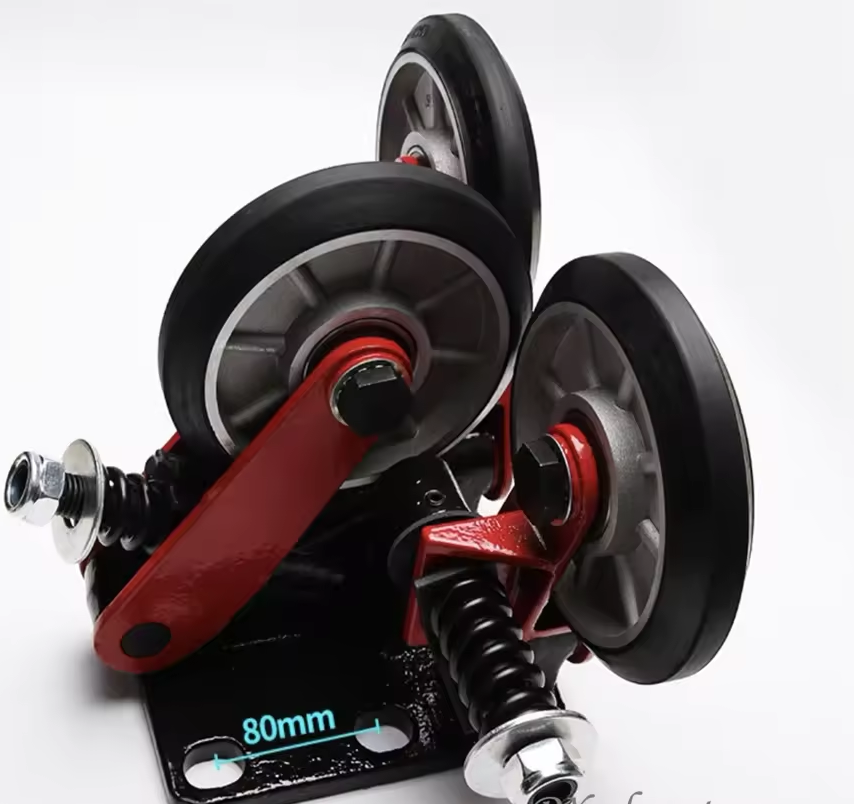
If you work in elevator manufacturing, modernization, or maintenance, you already understand that passenger safety is non-negotiable. Every component in an elevator system must perform flawlessly—but few carry as much responsibility as the overspeed governor wheel. This is the component that watches over every ride, ready to act instantly when speed exceeds safe limits.
At the heart of every elevator overspeed protection system lies the overspeed governor wheel—a precision-engineered rotating component that continuously monitors car velocity and triggers the safety gear when necessary. Without a properly functioning overspeed governor wheel, the entire safety chain fails. For high-speed and ultra-high-speed elevators—operating at speeds exceeding 2.5 m/s and reaching up to 10 m/s or more—the demands placed on the overspeed governor wheel are extreme-. That is why choosing the right supplier for this mission-critical component matters more than you might think.
What Is an Elevator Overspeed Governor Wheel? Understanding the Basics
The overspeed governor wheel, also referred to as a governor sheave or limiter wheel, is the rotating element within an elevator’s overspeed governor assembly. It is driven by a governor rope wrapped around its circumference and rotates in direct relation to elevator car movement-. Inside the governor housing are flyweights mounted on the overspeed governor wheel; as speed increases, centrifugal force causes these flyweights to move outward-. When a predetermined overspeed threshold is reached—typically 115% to 125% of rated speed—the mechanism trips, activating the elevator’s safety gear to bring the car to a safe stop-.
The overspeed governor wheel functions as the system’s primary speed sensor. Its rotation must be smooth, friction-optimized, and free from any hesitation or binding, because even a momentary delay in activation could have catastrophic consequences. For this reason, every overspeed governor wheel must be manufactured to exacting tolerances, with carefully balanced mass distribution and precision-machined rope grooves.
The Critical Role of the Overspeed Governor Wheel in High-Speed Elevators
In standard-speed elevators (up to 1.75 m/s), an overspeed governor wheel faces moderate rotational speeds and manageable centrifugal forces. But in high-speed elevators (1.75–5.0 m/s) and ultra-high-speed elevators (over 5.0 m/s), the demands multiply dramatically. The overspeed governor wheel must withstand far greater rotational velocities, higher-frequency load cycles, and more intense thermal stress caused by friction against the governor rope.
When an elevator travels at 5 m/s, the overspeed governor wheel can rotate hundreds of times per minute. At 10 m/s, the forces involved are exponentially greater-. Any imperfection in the overspeed governor wheel—whether in material quality, dimensional accuracy, or dynamic balance—would be magnified at these speeds, leading to premature wear, vibration, noise, and potentially dangerous misfiring of the safety system.
This is precisely why a factory-direct manufacturer with deep expertise in high-speed elevator components is the safest choice for your supply chain.
Materials Science Behind Premium Overspeed Governor Wheels
The performance and service life of any overspeed governor wheel are fundamentally determined by the materials used in its construction. The industry has moved decisively from simpler materials toward sophisticated composites and advanced alloys engineered specifically for high-speed applications.
Cast Iron and Alloy Steel Overspeed Governor Wheels
Traditional overspeed governor wheels are manufactured from high-grade cast iron or alloy steel. These materials offer excellent strength, good wear resistance, and the ability to withstand heavy loads. Some commercial elevator overspeed governor wheels are engineered with robust cast iron construction capable of handling loads up to 20 tons-. Alloy steel alternatives provide enhanced toughness and fatigue resistance, making them suitable for demanding high-rise installations.
However, cast iron and steel overspeed governor wheels have limitations. They are heavy, increasing governor assembly inertia and potentially slowing response time. They are also susceptible to corrosion in humid or coastal environments, and their relatively high coefficient of friction can accelerate rope wear.
Advanced Composite Overspeed Governor Wheels
Modern high-performance overspeed governor wheels increasingly utilize advanced composite materials, including polyurethane-based elastomers and engineered polymers. These materials offer remarkable advantages: they are lighter in weight, reduce rotational inertia for faster safety activation, and provide superior damping characteristics that minimize vibration transmission-.
Laboratory testing has demonstrated that polyurethane-core overspeed governor wheels can resist corrosion, handle substantial dynamic loads, and deliver significantly longer service life than steel-core alternatives-. The lower hysteresis of advanced elastomers means the overspeed governor wheel requires less energy to rotate and generates less internal heat during operation—critical factors for 24/7 elevator operation-.
Modified MC Nylon Overspeed Governor Wheels
For applications requiring exceptional wear resistance and dimensional stability under load, modified MC nylon overspeed governor wheels represent a leading-edge solution. Through techniques such as in-situ polymerization and nano-additive modification, manufacturers have developed MC nylon overspeed governor wheels with strength, wear resistance, and heat tolerance improved by 15% or more compared to conventional materials-. These advanced polymer overspeed governor wheels meet the demanding requirements of high-speed, heavy-load elevators operating at rated speeds of 2.5 m/s to 4.0 m/s-.
Key Technical Specifications for Overspeed Governor Wheels
When sourcing an overspeed governor wheel for your elevator system, pay close attention to these critical parameters:
| Parameter | Typical Range | Significance |
|---|---|---|
| Rated Speed (Car) | ≤ 0.63 m/s up to ≥ 10.0 m/s | Maximum operating speed the governor can safely supervise- |
| Sheave Diameter | 180 mm – 300 mm | Determines governor rope wrap angle and mechanical advantage- |
| Rope Diameter Compatibility | 6 mm, 8 mm, or custom | Must precisely match governor rope specification |
| Pulling Force | ≥ 500 N | Minimum tension required for reliable activation |
| Test Speed (Rope Braking) | Up to 5.0 m/s or higher | Overspeed trip calibration point |
| Maximum Travel Height | 60 m – 200 m+ | Governed area the governor wheel must cover- |
An overspeed governor wheel must be specified in strict accordance with the elevator’s rated speed, load capacity, and travel height. Using an underspecified overspeed governor wheel is not merely inefficient—it is unsafe.
Bidirectional Overspeed Governor Wheels: Protecting Against All Hazards
Modern elevator systems require protection against both descending car overspeed (downward runaway) and ascending car overspeed (uncontrolled upward movement). This has driven widespread adoption of bidirectional overspeed governor wheels that can trip safety gears in both travel directions.
A high-quality bidirectional overspeed governor wheel incorporates safety cams arranged symmetrically or asymmetrically depending on the governor design. Type-approved models with hardened wedge grooves and maintenance-free ball bearings exemplify the engineering sophistication required for today’s elevator applications-.
For machine-room-less (MRL) elevator configurations, compact overspeed governor wheels with narrow base plate designs enable installation in constrained hoistway environments without compromising safety performance-.
Compliance with International Safety Standards
Every overspeed governor wheel supplied to global markets must comply with rigorous international safety standards. The two most influential frameworks are ASME A17.1/CSA B44 (predominantly used in North America) and the EN 81 series (widely adopted across Europe and many other regions)-.
ASME A17.1-2025 governs the design, construction, installation, testing, and maintenance of elevators and related conveyances, placing stringent requirements on every safety component including the overspeed governor wheel-. EN 81-20/21 similarly mandates detailed specifications for governor wheel design, materials, and performance verification-.
When sourcing an overspeed governor wheel from a manufacturer, always confirm that the component meets the standards applicable to your target market. A compliant overspeed governor wheel provides the legal and insurance protection your customers require.
Why the OEM and Replacement Market for Overspeed Governor Wheels Is Expanding
The global elevator overspeed governor market is experiencing steady growth, driven by several converging factors. Ongoing urbanization and infrastructure development continue to increase the installed base of elevators worldwide. Stricter safety regulations and more frequent inspection requirements are compelling building owners to replace aging or worn overspeed governor wheels proactively.
Moreover, the average elevator service life of 20 to 30 years means vast numbers of legacy systems are now in the modernization pipeline. Many of these older elevators still operate with original overspeed governor wheels that have surpassed their optimal service life. Replacing these components with modern, high-performance overspeed governor wheels improves safety, reduces maintenance costs, and enhances ride quality.
Asia-Pacific, led by China, remains the dominant manufacturing hub and the fastest-growing market for elevator components. Chinese manufacturers supply overspeed governor wheels to projects across North America, Europe, the Middle East, and Southeast Asia, offering a combination of competitive pricing, ISO 9001-certified quality systems, and flexible production capacity.
The Factory Advantage: Why Source Overspeed Governor Wheels Direct from China
When you choose to source overspeed governor wheels directly from a specialized Chinese factory, you gain several immediate advantages:
Unbeatable Pricing
Factory-direct sourcing eliminates distributor markups, ensuring you pay competitive prices for every overspeed governor wheel.
Strict Quality Control
Leading Chinese manufacturers of overspeed governor wheels maintain rigorous quality management systems, conducting dimensional inspections, dynamic balance testing, and material verification at every production stage.
Customization Capabilities
Standard overspeed governor wheels may not always fit unique elevator configurations. Factory-direct suppliers can accommodate variations in sheave diameter, rope groove profile, mounting interface specifications, and material selection to match your exact requirements.
Reliable Supply Chain
Backed by robust manufacturing capacity, direct factory suppliers ensure consistent lead times and dependable inventory availability—essential for maintenance organizations and OEMs who cannot afford supply interruptions.
Now is the time to evaluate your current overspeed governor wheel supply chain. Whether you are planning a major modernization project, managing ongoing maintenance for a portfolio of high-rise buildings, or looking to source OEM components at competitive pricing, we are ready to help.
Visit https://ginotek.com to explore our complete overspeed governor wheel product lineup, including detailed technical specifications, dimensional drawings, material data sheets, and safety certification documentation.
For immediate inquiries, spare parts pricing, international shipping options, volume discount programs, and private-label or custom OEM manufacturing, head over to https://ginotekparts.com . Our dedicated customer service team specializes in international orders and responds to all RFQs within 24 hours.
Selecting the Right Overspeed Governor Wheel for Your Application
Choosing the correct overspeed governor wheel for a specific elevator system requires careful evaluation of several factors:
Rated Speed and Application
Determine the elevator’s rated speed first. Low-speed elevators (≤ 1.0 m/s) can use standard overspeed governor wheels with basic materials and simpler designs. Mid-speed systems (1.0–2.5 m/s) need overspeed governor wheels with enhanced wear resistance and improved dynamic balance. High-speed and ultra-high-speed elevators (2.5–10.0 m/s+) demand premium overspeed governor wheels manufactured from advanced composites or specially formulated alloys, with precision balancing and strict quality validation.
Travel Height Considerations
Taller buildings increase governor rope length, which in turn increases the mass the overspeed governor wheel must accelerate and decelerate. For installations exceeding 60 meters of travel height, choose an overspeed governor wheel rated for extended travel distances and capable of maintaining consistent tension throughout the full range of car movement-.
Environmental Conditions
Corrosive environments—including coastal installations, industrial facilities, and outdoor elevator shafts—require overspeed governor wheels with enhanced corrosion protection. Stainless steel hubs, sealed bearings, and corrosion-resistant coatings should be specified for harsh operating conditions.
Maintenance Accessibility
Some overspeed governor wheels are designed with maintenance-free ball bearings and sealed housings, requiring no periodic lubrication or adjustment-. Others may allow bearing service or rope groove inspection during routine maintenance visits. Consider your maintenance team’s capabilities and schedule when selecting an overspeed governor wheel.
Testing and Certification Requirements
Certain jurisdictions and building codes mandate independent testing and certification for overspeed governor wheels used in passenger-carrying elevators. Confirm that your supplier can provide type-testing certificates, factory test reports, and compliance declarations for the relevant regulatory framework.
Installation and Service Life Best Practices for Overspeed Governor Wheels
Once you have selected the right overspeed governor wheel, proper installation and ongoing maintenance are essential to maximize service life and maintain safety performance.
During Installation
Always ensure the governor rope is correctly aligned with the overspeed governor wheel grooves. Misalignment causes uneven wear, increased friction, and premature groove degradation. Verify that the overspeed governor wheel rotates freely on its bearings before connecting the governor rope. Lubricate bearing assemblies according to manufacturer specifications only—over-lubrication can attract debris and cause binding. Finally, calibrate the overspeed trip mechanism after installing the overspeed governor wheel, following manufacturer-approved procedures and using calibrated test equipment.
For Ongoing Inspection
Inspect the overspeed governor wheel rope grooves regularly. Grooves that have become worn, glazed, or distorted indicate the need for overspeed governor wheel replacement. Listen for unusual noises during elevator operation; clicking, grinding, or squealing may signal bearing failure or rope slippage on the overspeed governor wheel. Check for visible wear, cracking, or dimensional changes. The overspeed governor wheel surface should be smooth and free from spalling or deformation. Schedule periodic overspeed trip tests to verify that the overspeed governor wheel and associated governor mechanism respond correctly at predetermined speeds. Document all test results and any corrective actions taken.
A well-maintained overspeed governor wheel can provide reliable service for many years under normal operating conditions. However, because the consequences of failure are so severe, conservative replacement policies are strongly recommended—especially for high-speed elevators in high-traffic buildings.
The Future of Overspeed Governor Wheel Technology
Innovation in overspeed governor wheel technology continues to advance. New developments include integration of electronic speed sensors that provide redundant overspeed detection alongside mechanical governor wheels. Self-diagnosing overspeed governor wheels with embedded condition monitoring capabilities are emerging, enabling predictive maintenance programs and real-time safety status reporting.
Advanced manufacturing techniques such as precision centrifugal casting and automated CNC machining are raising the consistency and quality of overspeed governor wheels to unprecedented levels. These technological advances mean today’s overspeed governor wheels are more reliable, longer-lasting, and safer than any previous generation of elevator overspeed protection components.
Conclusion: Elevate Your Safety Standards with Premium Overspeed Governor Wheels
The overspeed governor wheel is not merely another elevator component—it is the first line of defense against catastrophic overspeed accidents. For high-speed elevators in tall buildings, the demands on this precision component are severe, and the margin for error is zero.
Do not compromise on safety by sourcing from suppliers who cannot demonstrate rigorous quality control, material science expertise, and compliance with international standards. Factory-direct manufacturers with proven track records in overspeed governor wheel production deliver the quality, reliability, and competitive pricing that the global elevator industry demands.
Take the next step toward safer, more reliable elevator operations:
Browse the full product catalog and technical resources: https://ginotek.com
Request a quote, discuss volume pricing, or inquire about OEM manufacturing: https://ginotekparts.com
(The linked pages provide detailed overspeed governor wheel product lines, technical support documentation, and fast-track international ordering. Secure your supply chain today.)
Your passengers trust you to keep them safe. Trust our overspeed governor wheels to deliver that protection—reliably, precisely, and without compromise. Contact us today to discuss how our factory-direct overspeed governor wheels can enhance the safety, performance, and longevity of your elevator systems.