
High-Performance Silent Car Bottom Vibration Damper for Smooth and Quiet Elevator Operation 9
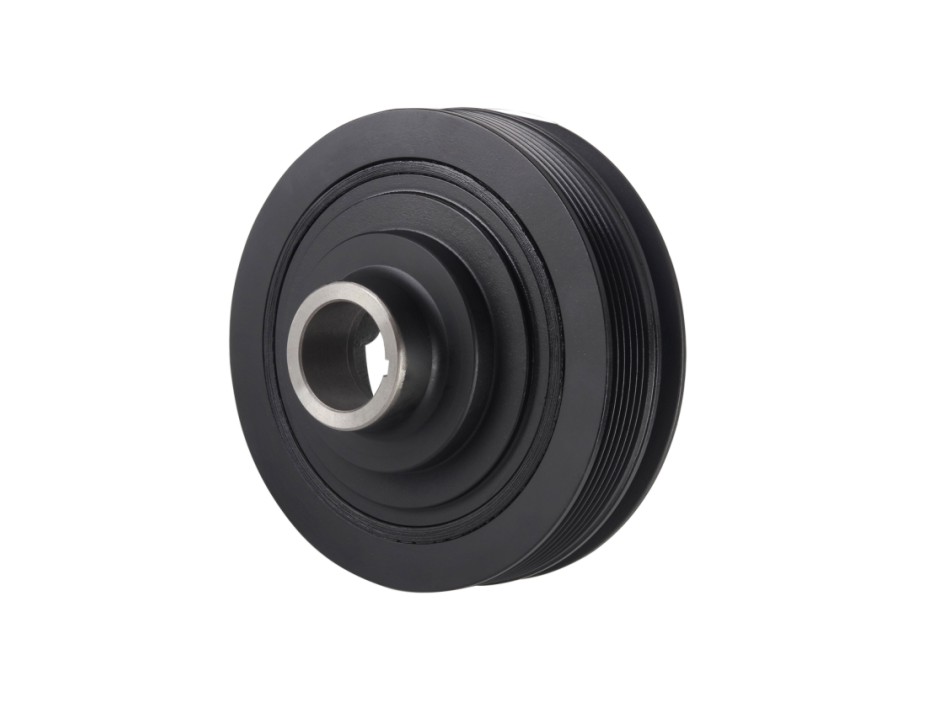
Modern elevator systems are designed to provide safe, stable, and comfortable transportation in residential and commercial buildings. A high-quality Car Bottom Vibration Damper plays an essential role in reducing vibration, minimizing operational noise, and improving overall elevator ride comfort.
During elevator operation, mechanical vibration generated by traction systems, guide rails, and moving cabin structures can transfer directly to the elevator car bottom. Without effective vibration isolation, passengers may experience shaking, noise, and unstable movement.
Professional car bottom vibration dampers made from advanced rubber materials help absorb vibration energy and protect elevator structures from long-term mechanical stress. For elevator manufacturers and maintenance companies, reliable vibration damping solutions are essential for improving operational performance and extending equipment lifespan.
Why Car Bottom Vibration Damper Matters
A Car Bottom Vibration Damper is installed beneath the elevator cabin structure to reduce the transmission of vibration generated during elevator movement. It helps isolate dynamic forces and improve overall ride stability.
Without proper vibration damping, elevators may produce excessive cabin shaking, structural noise, and increased wear on mechanical components. This becomes even more important in high-rise buildings where elevators operate continuously throughout the day.
Rubber vibration dampers provide excellent elasticity and shock absorption performance, helping elevator cabins move more smoothly and quietly. Effective vibration isolation improves passenger comfort while reducing stress on guide systems and cabin support structures.
Modern elevator systems widely use rubber-based vibration dampers because of their durability, flexibility, and stable long-term performance under continuous operational loads.
Rubber Car Bottom Vibration Damper Advantages
Rubber materials are widely used in elevator vibration damping systems because of their excellent flexibility and energy absorption capability. High-quality rubber dampers effectively reduce vibration transfer between elevator mechanical systems and cabin structures.
Compared with ordinary damping materials, industrial rubber provides better resilience and maintains stable vibration isolation performance under continuous operation. Rubber dampers can also reduce impact stress and operational noise more effectively.
Rubber car bottom vibration dampers are resistant to fatigue, compression deformation, and long-term mechanical stress. This allows elevator systems to maintain stable operation over extended service periods.
Different rubber hardness levels can also be customized according to elevator speed, load requirements, and operational environments. This flexibility helps optimize vibration control performance for both residential and commercial elevator systems.
High-Speed Car Bottom Vibration Damper Testing
High-speed elevator systems require strict testing procedures to ensure stable vibration isolation performance. Professional manufacturers perform comprehensive testing before mass production and product delivery.
Testing procedures often include dynamic load analysis, compression resistance evaluation, vibration simulation, and long-term fatigue testing. These tests help verify that the dampers can maintain stable elasticity and shock absorption capability during continuous operation.
Noise reduction performance is also carefully evaluated because passenger comfort has become increasingly important in modern elevator design. High-quality rubber dampers help create quieter and smoother elevator environments.
Factories with advanced testing equipment and strict quality control systems can provide more reliable products for international elevator manufacturers and engineering projects. Consistent testing standards improve operational reliability and reduce maintenance frequency.
Custom Car Bottom Vibration Damper Solutions
Different elevator systems require different vibration damping designs depending on cabin structure, operating speed, and installation conditions. Professional manufacturers provide customized solutions according to technical specifications and customer requirements.
Customization options may include rubber hardness, mounting dimensions, metal bonding structures, compression resistance, and load-bearing capacity. Some elevator projects prioritize ultra-low noise operation, while others require heavy-load support and enhanced durability.
OEM and ODM manufacturing capabilities are especially important for global elevator brands and maintenance companies seeking reliable long-term supply partners. Experienced factories can support engineering optimization, mold development, and rapid prototype production based on customer drawings.
Customized vibration damping solutions improve installation compatibility and help elevators achieve smoother operation and reduced vibration transmission.
How Car Bottom Vibration Damper Extends Equipment Lifespan
High-quality car bottom vibration dampers help protect elevator systems from continuous vibration damage and mechanical fatigue. By reducing vibration transfer, they minimize stress on cabin structures, guide systems, and support components.
Lower vibration levels also help reduce wear on moving mechanical parts and improve elevator alignment stability during operation. This contributes to fewer maintenance issues and lower long-term repair costs.
In commercial buildings where elevators operate continuously, reliable vibration damping solutions can significantly improve operational efficiency and extend equipment lifespan. Building owners and maintenance providers benefit from improved reliability and reduced downtime.
As elevator systems continue evolving toward higher speeds and smarter operation, advanced rubber vibration damping technology is becoming increasingly important for modern vertical transportation.
Improve Elevator Comfort with Rubber Vibration Dampers
As modern buildings demand quieter and more stable elevator systems, high-performance Car Bottom Vibration Damper solutions have become essential for vibration control and passenger comfort.
Professional manufacturers provide customized rubber vibration damping products using precision engineering, advanced rubber formulations, and strict quality testing standards for global elevator applications.
Searching for customized Car Bottom Vibration Damper solutions? Talk to us for more useful information, believe that you deserve it.