

Crankshaft Pulleys C005
-
Precision Engineering
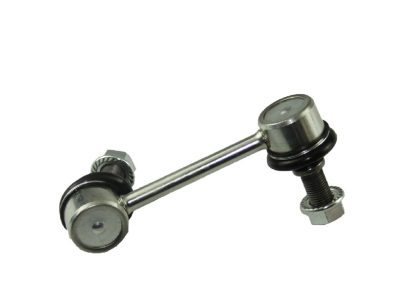
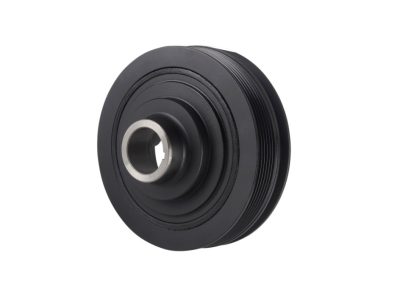
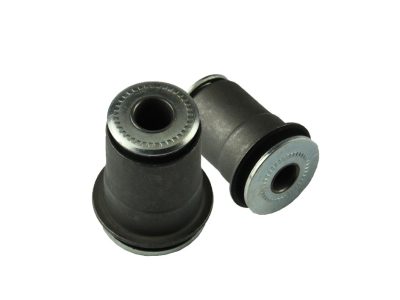
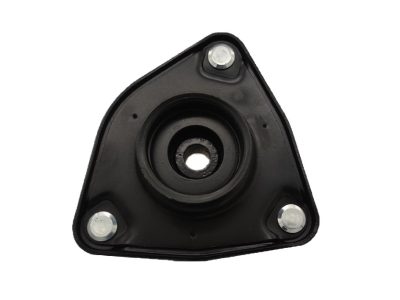
- OEM-matched dimensions for brands like Toyota Crankshaft Pulley and Honda Crankshaft Pulleys, ensuring seamless integration.
- Advanced balancing technology to minimize vibration, protecting engine components.
-
Durable Materials
- Forged steel or high-grade aluminum construction for superior strength and heat resistance.
- Corrosion-resistant coatings for longevity in harsh environments.
-
Enhanced Performance
- Optimized belt grip for efficient power transfer to accessories (e.g., alternator, AC compressor).
- Compatible with belt tensioner pulley BMW/Nissan systems for stable belt operation.
-
Customization Options
- Tailored solutions for Hyundai Crankshaft Pulley or hybrid/performance engines.
- CAD-supported prototyping for unique specifications.
-
Cost-Effective Reliability
- Reduced maintenance needs with extended service life.
- Strict QC testing to ensure zero defects in mass production.
You must be logged in to post a review.
Related products
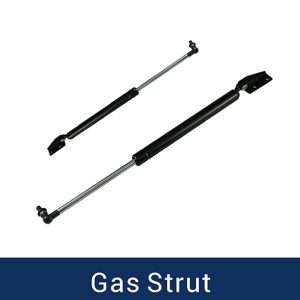
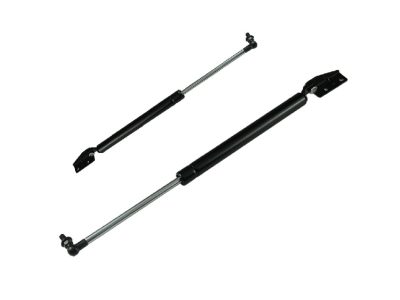
Auto Gas Struts Solutions C007
1. Premium Quality & Durability of Auto Gas Struts
- Made from high-grade materials, resistant to corrosion and extreme weather conditions.
- Rigorous testing ensures long lifespan and consistent performance.
2. Smooth & Reliable Operation
- Provides effortless lifting and secure holding for trunk lids, liftgates, or boots.
- Precise force control prevents sudden drops, enhancing safety.
3. Wide Compatibility
- Fits most vehicle models, including SUVs, sedans, and hatchbacks.
- Customizable lengths and force strengths available for OEM/ODM needs.
4. Cost-Effective & Low Maintenance
- Minimal wear reduces replacement frequency.
- Easy installation with no special tools required.
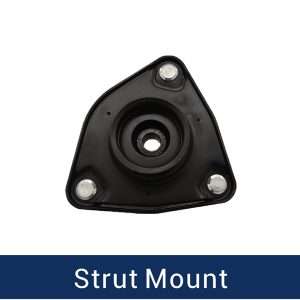
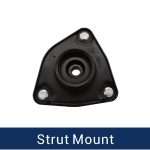
Auto Strut Mounts C006
Key Features & Benefits:
- Precision Engineering – Car Strut Mount designed for exact OE fitment, ensuring seamless Strut Mount Installation and optimal suspension performance.
- Durable Materials – High-grade front strut rubber mounts resist cracking and wear, extending lifespan by 50% under extreme conditions.
- OEM/ODM Flexibility – Customizable designs for Front Strut Mount Replacement, supporting part numbers like Strut Mount Autozone or Mazda’s H334-34-38034.
- Global Standards – Rigorously tested for vibration damping and load-bearing, meeting EU/USA safety certifications.
Why Partner With Us? – From CAD prototyping to bulk production, we deliver cost-efficient, high-quality Front Suspension Mount solutions tailored to your market needs.
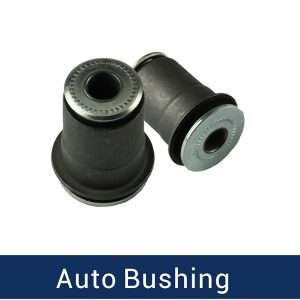
Automotive Bushing C003
GINOTEK Automotive Bushing: Engineered for Performance & Durability
Core Features
- Advanced Materials: Reinforced polyurethane & hybrid rubber compounds ensure superior vibration dampening (-40°C to 120°C) and corrosion resistance16.
- Precision Engineering: CNC-machined sleeves guarantee OEM-level tolerances for seamless integration into Control Arm Bushing systems (e.g., Audi A4)25.
- Extended Lifespan: 30% longer service life than standard bushings, reducing maintenance costs47.
Key Selling Points
- Custom Solutions: Tailored designs for Princess Auto and global vehicle models.
- Cost Efficiency: Direct ODM support with competitive MOQs.
- Certified Quality: ISO/TS 16949 compliance for Auto Parts Control Arm Bushing.
Smoother rides, quieter cabins—built to last.
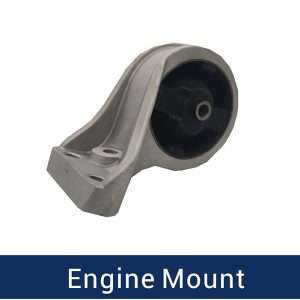
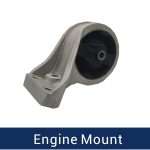
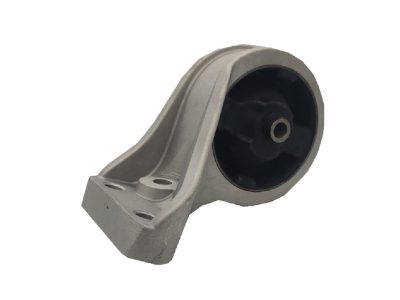
Car Engine Mount C004
-
Superior Vibration Dampening
- Unique viscoelasticity from rubber's molecular structure effectively absorbs engine vibrations, reducing noise and fatigue.
- High damping coefficient (loss factor) minimizes resonance impact.
-
Durable & Adaptive Performance
- Resistant to oil, heat (-40°C~120°C), and mechanical stress, ensuring longevity under harsh conditions.
- Adjustable hardness via rubber compound customization to meet diverse stiffness requirements.
-
Cost-Effective Maintenance
- No sliding parts; maintenance-free design lowers lifecycle costs.
- Lightweight and easy to install, reducing labor time.
-
Critical Safety Role
- Prevents metal-to-metal collisions during sudden shocks, protecting engine and chassis components.
- Used in 50+ vibration points per vehicle, enhancing ride comfort and stability.
-
Global Compliance
- Meets ISO/TS 16949 standards with OEM validation capabilities for Tier 1 suppliers.
Car Engine Mount:Tailored solutions for passenger cars, commercial vehicles, and EV applications.
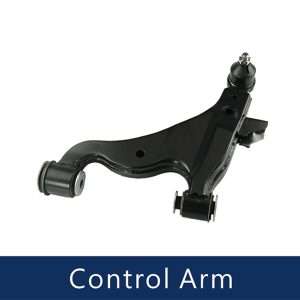
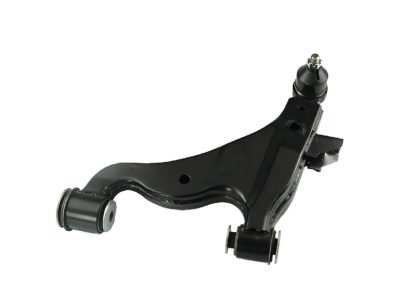
Control Arm C001
Our Advantages:
- OEM-Grade Precision - Manufactured to exact vehicle specifications, ensuring perfect fit for all major brands (Toyota, Audi, BMW, etc.) without modification.
- Dual-Material Innovation - High-strength steel base with aluminum alloy options, balancing durability and weight reduction for fuel efficiency.
- Leak-Proof Ball Joints - Sealed lifetime lubrication system prevents contamination, extending service life by 40% compared to standard units.
- Smart Bushing Technology - Hydraulic rubber bushings with noise-dampening features, reducing road vibrations by 35% for smoother rides.
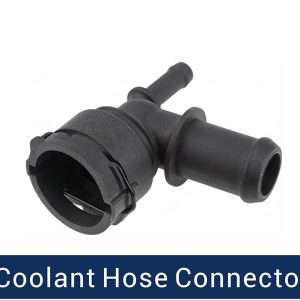
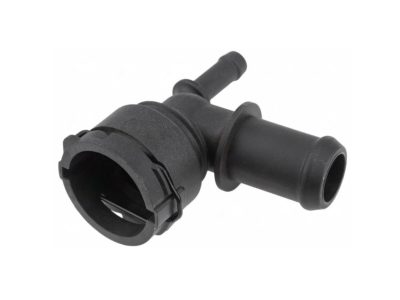
Coolant Hose Connector Solutions C008
Key Features & Benefits:
- Leak-Proof Design – Reinforced seals and precision-engineered connections prevent coolant leaks, ensuring system reliability.
- High-Temperature Resistance – Durable materials withstand extreme engine heat without degradation.
- Easy Installation – Plug-and-play design with adhesive-enhanced bonding for quick, secure assembly.
- OE-Quality Standards – Rigorously tested for compatibility with global vehicle models.
- Cost-Effective Durability – Longer lifespan reduces maintenance costs and replacements.
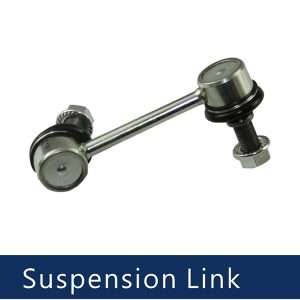
Suspension Link C002
Automotive Stabilizer Bar Product Brief As a professional manufacturer specializing in automotive stabilizer bars, we provide high-performance suspension components designed to enhance vehicle stability and handling. Our products feature:
- Precision Engineering: CNC-machined from high-strength steel for durability
- OEM/ODM Support: Customizable solutions for passenger cars/SUVs
- Quality Certification: ISO/TS 16949 compliant with rigorous testing
- Global Logistics: Efficient export packaging and DDP shipping
Ideal for aftermarket upgrades and OEM integration, our stabilizer bars reduce body roll by 35% while maintaining ride comfort. Let’s discuss your specific requirements.
Reviews
There are no reviews yet.