Industry Rubber Formula: 30% Cost Reduction via Trusted Engineering B014

Industry Rubber Formula for cost control
1. The Industry Rubber Formula Cost-Performance Equation: Balancing Performance and Price
The “cost-performance optimization formula” (CPO) hinges on two core variables that must be balanced strategically in industrial elastomer selection.
- Performance: Performance is quantified through tan δ (damping ratio), dynamic modulus, and fatigue life, which directly determine vibration isolation efficiency, noise reduction, and long-term durability in automotive, aerospace, construction, and heavy machinery applications.
- Price: Price is influenced by raw material volatility, compound formulation, vulcanization cycle efficiency, energy consumption, and waste reduction strategies, making process optimization as critical as material choice for achieving sustainable cost control.
By optimizing crosslink density through sulfur vulcanization or peroxide crosslinking, manufacturers can enhance energy dissipation efficiency while minimizing heat build-up (ΔT < 20 °C), ensuring stable performance under cyclic loads. For example, a 30% reduction in raw material waste—achieved through nanofiller integration (e.g., silica nanoparticles)—lowers costs without compromising resilience, durability, or long-term fatigue resistance, while also improving process consistency and sustainability.
2. Key of Industry Rubber Formula Strategies for 30% Cost Reduction
2.1 Crosslink Density Optimization
Low vs. High Crosslink Density:
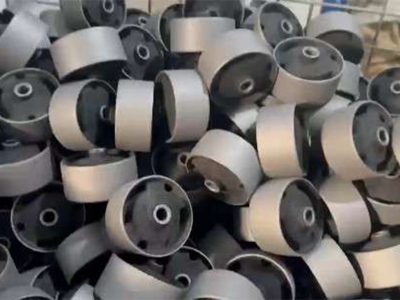
- Low-density (5–15 MPa/mm) configurations are ideal for flexible mounts, such as automotive engine mounts, where high elasticity and comfort are required. However, these systems are more prone to high heat build-up (ΔT > 30 °C) under sustained dynamic loading, which can accelerate material aging and reduce service life if not properly managed.
- High-density (20–50 MPa/mm) designs are better suited for seismic bearings and heavy machinery, offering a superior fatigue life of approximately 5–10 million cycles. Their stiffer structure provides improved load control, enhanced durability, and moderate heat management (ΔT < 20 °C), making them reliable for long-term, high-load industrial applications.
Hybrid Systems combine sulfur and peroxide crosslinking, commonly applied in EPDM or NBR compounds, to balance flexibility and heat resistance. This dual-curing approach improves thermal stability, maintains elastic performance under dynamic loads, and enhances processing efficiency, ultimately reducing material and production costs by 15–20% without sacrificing durability or long-term reliability.
2.2 Filler Interactions and Nanotechnology
- Silica Nanoparticles enhance tan δ (damping) by up to 25% while improving elastic recovery, enabling a 10–15% reduction in raw material usage without compromising mechanical performance.
- Carbon Nanotubes introduce electrical conductivity, enabling real-time structural health monitoring of vibration dampers, early fault detection, and predictive maintenance strategies that can reduce maintenance costs by approximately 20% while improving system reliability.
2.3 Industry Rubber Formula: Dynamic Vulcanization
- Ionic Crosslinking in butyl rubber, achieved through zinc acrylate bonds, enables a self-healing response under cyclic stress conditions. This reversible bonding mechanism restores micro-damage during operation, significantly extending service life by up to 50%, improving fatigue resistance, and reducing replacement costs while enhancing long-term reliability in dynamic vibration isolation applications.
3. Industrial Applications: From Automotive to Aerospace
- Automotive: Natural rubber with sulfur vulcanization achieves tan δ = 0.12, optimizing creep resistance and cost efficiency.
- Aerospace: Fluor rubber with high crosslink density withstands extreme temperatures and chemical exposure, slashing lifecycle costs by 30%.
- Construction: Lead-core rubber bearings in seismic isolation reduce vibration energy absorption by 70%, cutting structural repair expensesby 6.
4. Future Trends: AI and Sustainable Innovation
- AI-Driven Formulation: Machine learning models optimize sulfur content and vulcanization temperature, reducingtime by 40%.
- Reversible Crosslinking: Diels-Alder chemistry enables 50% longer lifespan for heavy-duty dampers, aligning with circular economy goals.
Conclusion
The Industry Rubber Formula “cost-performance optimization formula” isn’t just about cutting costs—it’s about maximizing value through molecular engineering, nanotechnology, and smart manufacturing. By leveraging crosslink density, filler interactions, and dynamic vulcanization, industrial rubber manufacturers can reduce expenses by 30% while enhancing performance across automotive, aerospace, and construction sectors.
Call to Action: Ready to optimize your industrial rubber production? Explore AI-driven formulation tools and nanofiller solutions today!


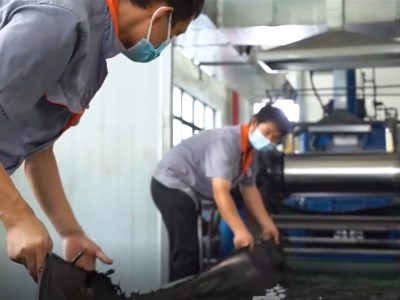
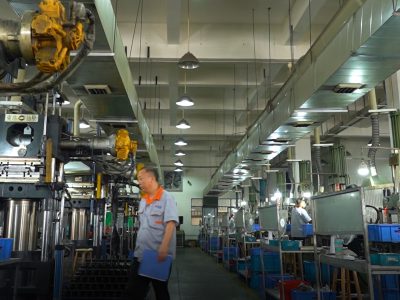
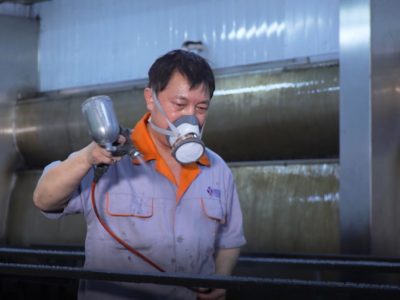
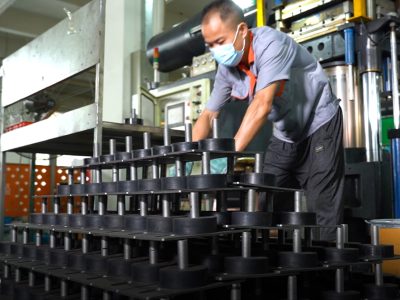
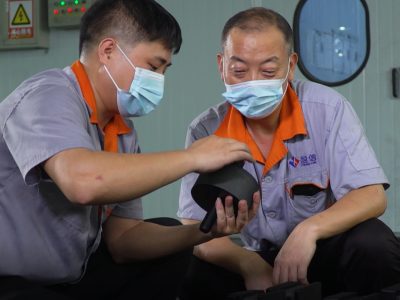
Rubber Production Workshop