Ultra Durability of Rubber: Top 5 Proven Advantages
Ultra Durability of Rubber: A Key to Enhanced Performance and Longevity
Rubber, a versatile material known for its elasticity, resilience, and flexibility, is widely used in various industries and applications. From everyday products like tires and footwear to industrial equipment and medical devices, rubber plays a crucial role in enhancing performance and durability. Among the many qualities that make rubber an essential material, the ultra-durability of rubber stands out as a key factor in its widespread use. This article explores the concept of ultra-durability in rubber, its significance, and how it benefits various applications.
Understanding Rubber Durability
The ultra-durability of rubber is determined by its ability to withstand wear, tear, and environmental factors like temperature, moisture, and UV radiation. The durability of rubber varies depending on its composition, processing techniques, and the specific additives used. Over the years, advancements in rubber manufacturing have led to the development of ultra-durable rubber materials that provide exceptional performance, even under extreme conditions.
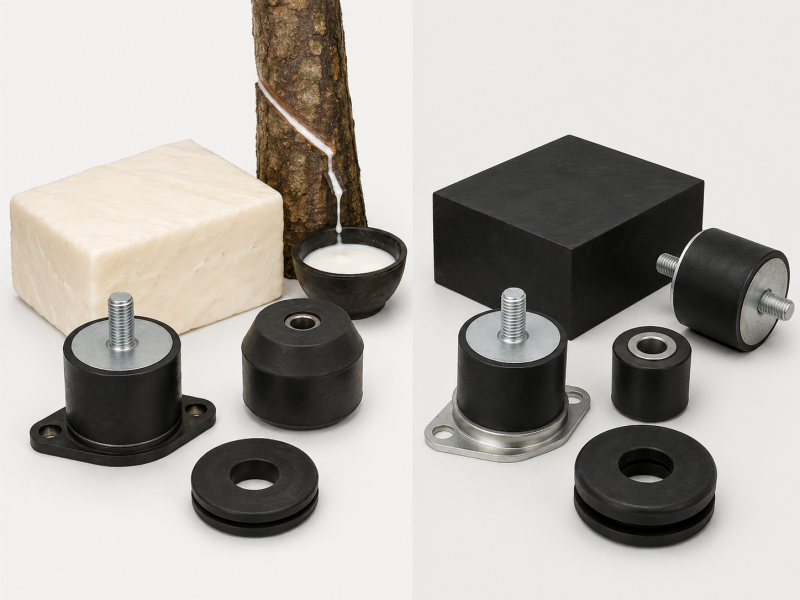
The ultra-durability of rubber can be attributed to its molecular structure. Natural rubber, derived from latex, contains long chains of hydrocarbons that give it its elastic properties. Synthetic rubbers, like styrene-butadiene rubber (SBR) and ethylene propylene diene monomer (EPDM), are engineered to offer superior resistance to various environmental factors. By enhancing the crosslinking of polymer chains during the manufacturing process, the ultra-durability of rubber becomes more resistant to degradation, wear, and mechanical stress.
Key Factors Contributing to Ultra Durability of Rubber
Crosslinking
Crosslinking refers to the process of chemically bonding the polymer chains in rubber, creating a network that enhances its strength and resistance to physical stress. The more the polymer chains are crosslinked, the less likely the rubber is to deform or lose its elasticity over time. The ultra-durability of rubber products typically undergoes high levels of crosslinking, which makes them more resistant to abrasion, cuts, and fatigue.
Additives and Compounding
Rubber is often mixed with various additives during the compounding process to improve its durability. These additives can include antioxidants, antiozonants, carbon black, and fillers. Carbon black, for example, is a key ingredient that improves the abrasion resistance and UV stability of rubber. The right combination of these additives ensures that the rubber maintains its structural integrity even when exposed to harsh environmental conditions.
Temperature and Chemical Resistance
One of the most notable characteristics of ultra-durability of rubber is its ability to perform well across a wide range of temperatures and chemical exposures. For instance, EPDM rubber is known for its resistance to high temperatures, ozone, and weathering, making it ideal for outdoor applications like roofing and automotive seals. Similarly, silicone rubber offers exceptional resistance to both high and low temperatures, as well as chemical exposure, making it a preferred choice for medical and food-grade applications.
Abrasion and Wear Resistance
Rubber’s ability to withstand wear and abrasion is a critical factor in determining its durability. Tires, conveyor belts, and industrial seals are all examples of products that rely heavily on rubber’s abrasion resistance. The use of reinforced rubber compounds that include high-strength materials such as steel or Kevlar can further enhance the material’s wear resistance and longevity.
Ultra Durability of Rubber: Applications
The ultra-durability of rubber has made it an indispensable material in numerous industries. Here are a few examples of its widespread applications:
Automotive Industry
In the automotive sector, ultra-durable rubber is essential for manufacturing tires, gaskets, seals, and hoses. Tires, in particular, require rubber that can withstand high speeds, extreme temperatures, and abrasive road surfaces. The durability of rubber ensures that these components maintain their functionality for an extended period, improving safety and reducing maintenance costs.
Aerospace
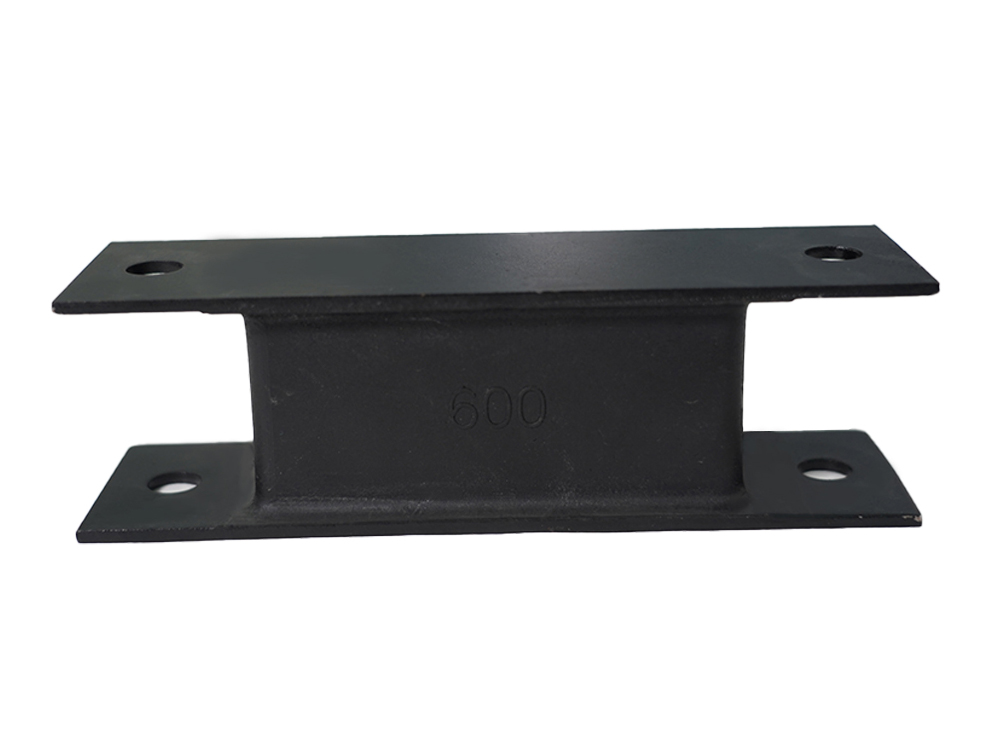
In aerospace applications, rubber is used in sealing systems, gaskets, and vibration dampers. The high-performance requirements in this field demand materials that can endure extreme pressure, temperature fluctuations, and exposure to various chemicals. Ultra-durable rubber ensures that these components provide long-lasting, reliable performance under the most challenging conditions.
Medical Devices
Rubber is widely used in the medical field, especially for components like catheters, seals, and surgical gloves. Ultra-durable rubber provides excellent resistance to chemicals, oils, and sterilization processes, making it ideal for medical devices that need to maintain their integrity over time. It also ensures that these components remain safe and effective throughout their usage.
Industrial and Construction
Rubber components such as seals, gaskets, and conveyor belts are used extensively in industrial machinery and construction equipment. The need for parts that can withstand constant wear and exposure to harsh environments is critical in these industries. Ultra-durable rubber offers the ideal solution, minimizing downtime and reducing maintenance costs.