
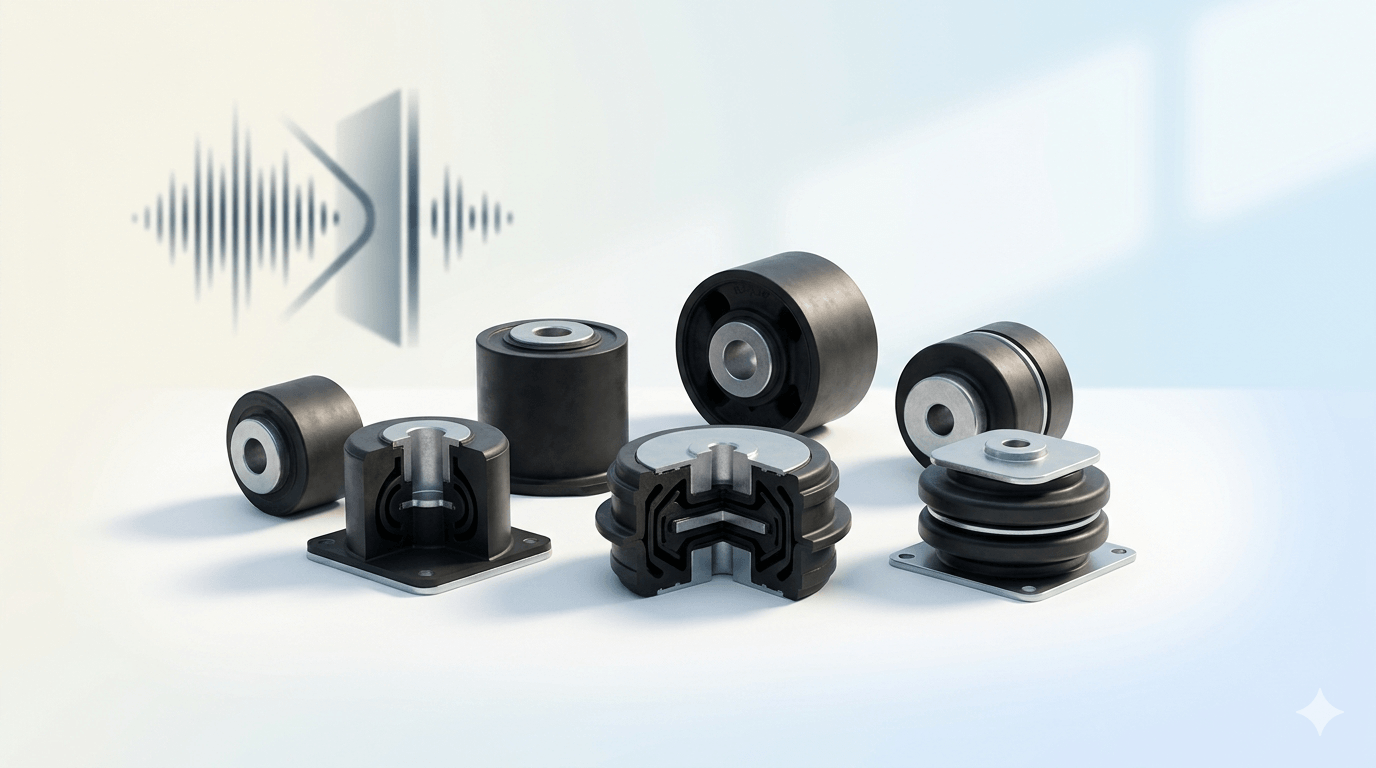
Ways to Solve Noise Pollution with Advanced Rubber Bushings and Mountings: The Ultimate Guide B046



Related Posts

Polyurethane Control Arm Bushings vs Rubber: The Hidden TCO Trap B118
This guide breaks down the total cost of ownership between cheap PU, OEM rubber, and premium polyurethane bushings, helping procurement teams avoid deceptive upfront unit-price traps.
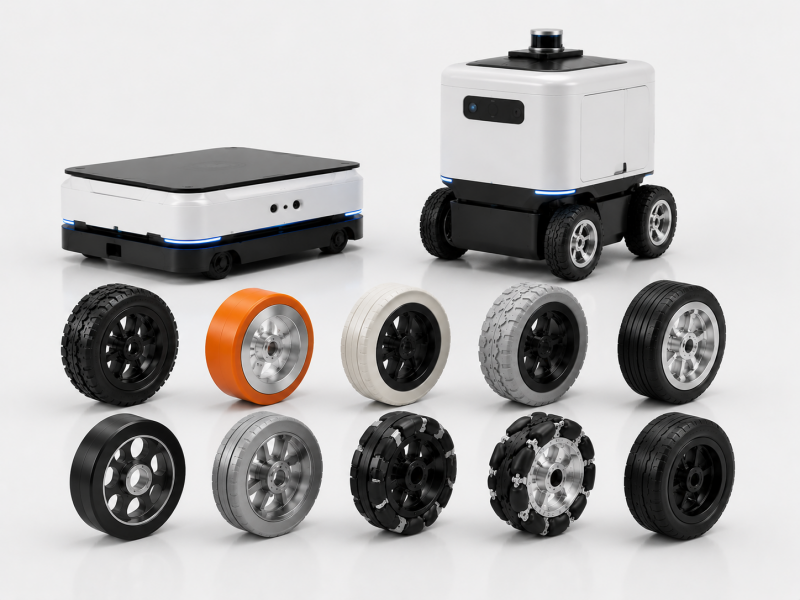
Custom Robot Car Wheel Manufacturer: Reliable Driving with Ginotek B111
This article explores the defining manufacturing trends transforming autonomous mobile platforms and highlights how a specialized custom robot car wheel manufacturer optimizes performance, durability, and cost-efficiency.
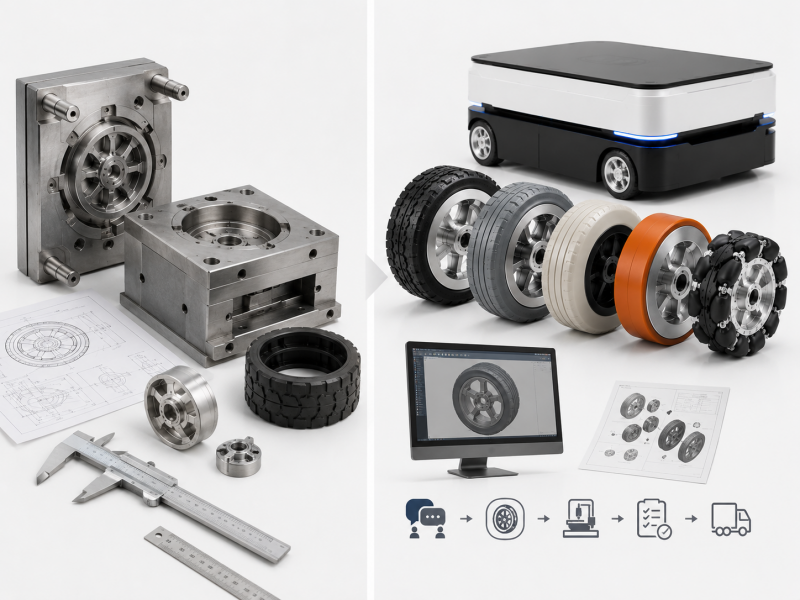
Wheels for a Robot: The Proven Integrated OEM Customization B109
This strategic analysis examines the financial and technical bottlenecks of self-built mold workshops for manufacturing wheels for a robot, showcasing how Ginotek’s one-stop OEM solutions maximize industrial fleet deployment.
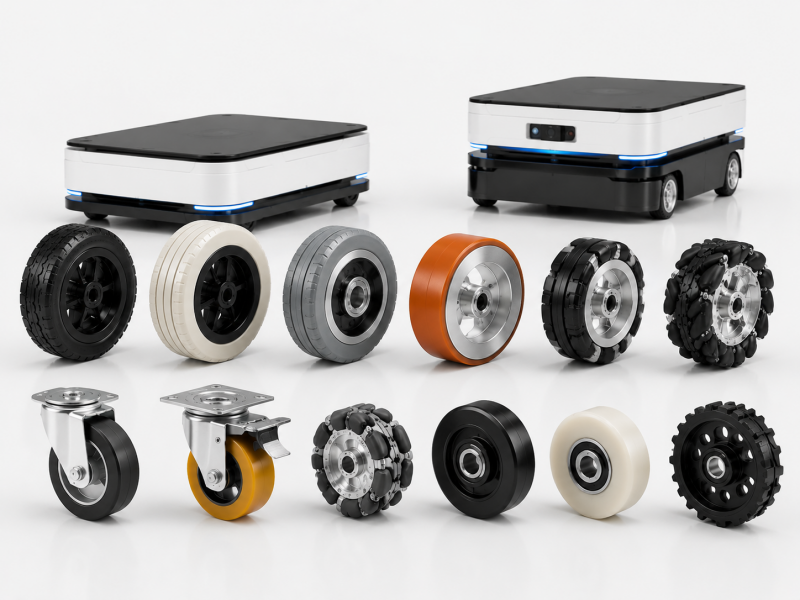
Types of Robot Wheels: The Definitive Reliable Guide to AMR and AGV B108
This industrial guide analyzes the seven core types of robot wheels, detailing their mechanical trade-offs and showcasing how Ginotek’s engineered OEM/ODM drive wheels maximize continuous smart factory uptime.
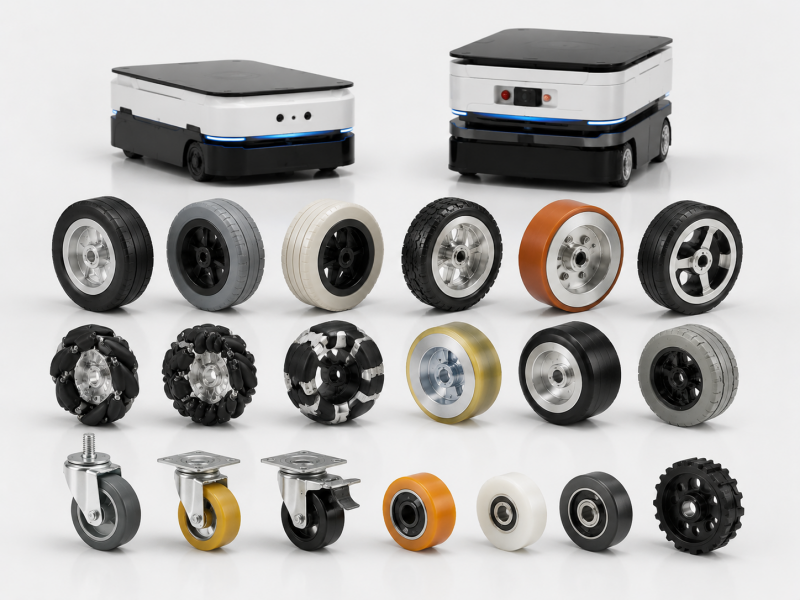
Types of Wheels for Robots: The Ultimate Reliable OEM/ODM Guide for AGV & AMR B107
This comprehensive guide analyzes the six major types of wheels for robots, comparing their structural pros and cons to help automation integrators select the ideal Ginotek custom mobility solution.
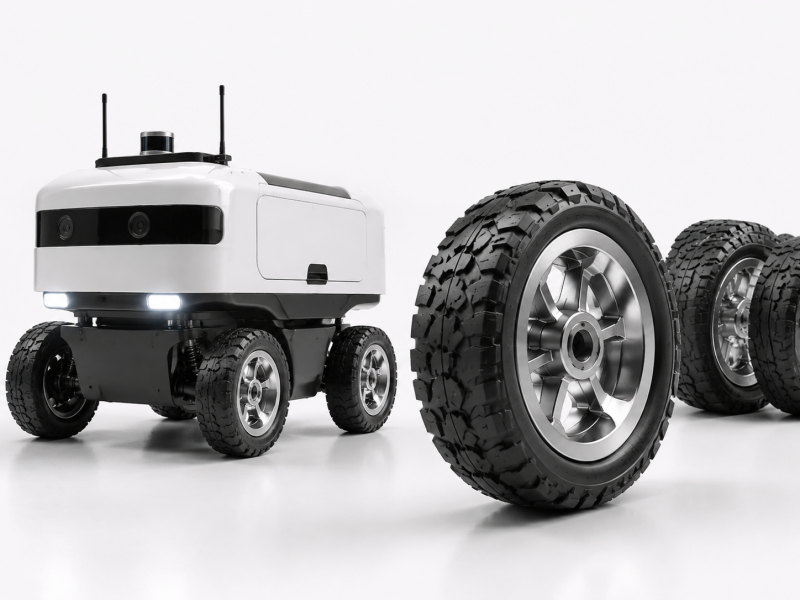
Rubber Tires for Robot: Ultimate Outdoor Anti-Slip Solutions for Delivery and Patrol Inspection Robots B106
This guide breaks down the baseline service life of industrial rubber tires for robot systems, analyzes premature wear root causes, and showcases how Ginotek’s custom engineering extends tire longevity.
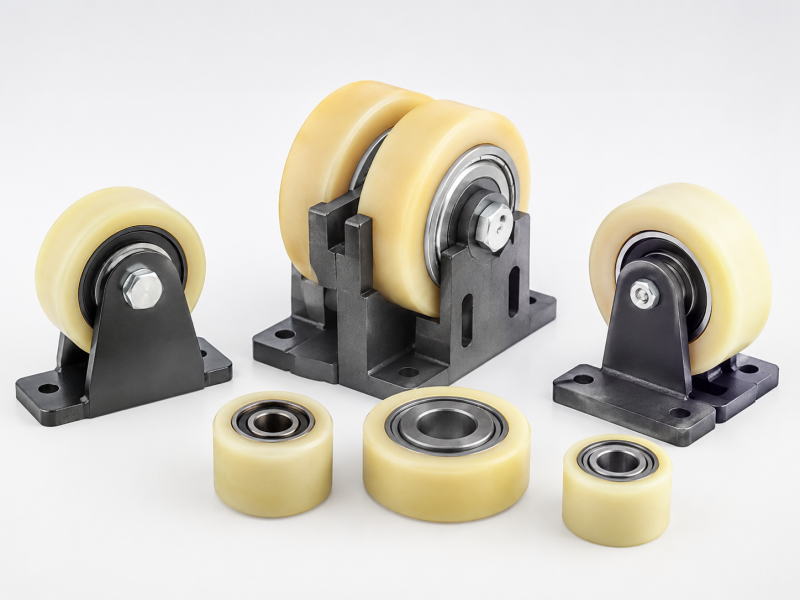
Custom Elevator Guide Shoe Rollers: Tailored Solutions for Superior Elevator Stability and Performance 5
Why Custom Elevator Guide Shoe Rollers Are Becoming Essential
As modern elevator systems continue evolving toward higher speeds,...
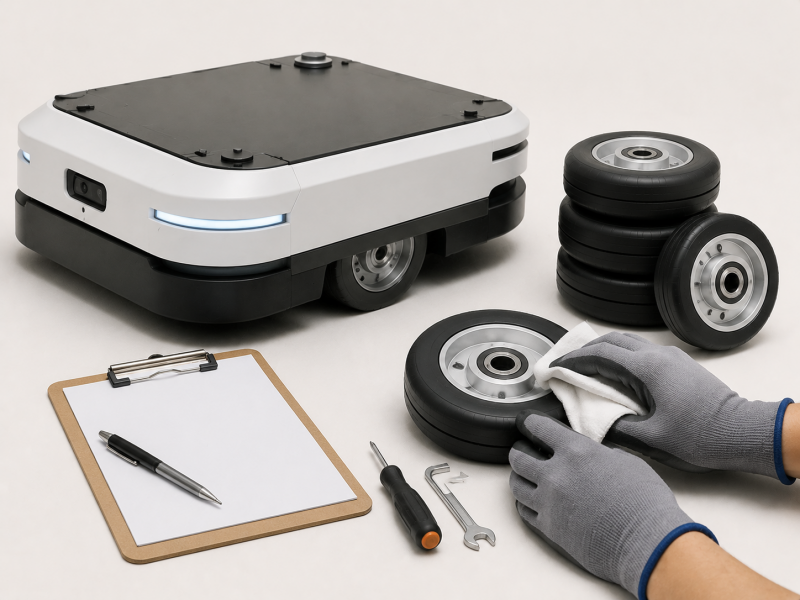
Wheels for Robotics: The Critical Ultimate Daily Guide for Peak AMR/AGV B104
This guide provides a practical daily inspection checklist for wheels for robotics, analyzes premature wear root causes, and explains how Ginotek’s custom polyur
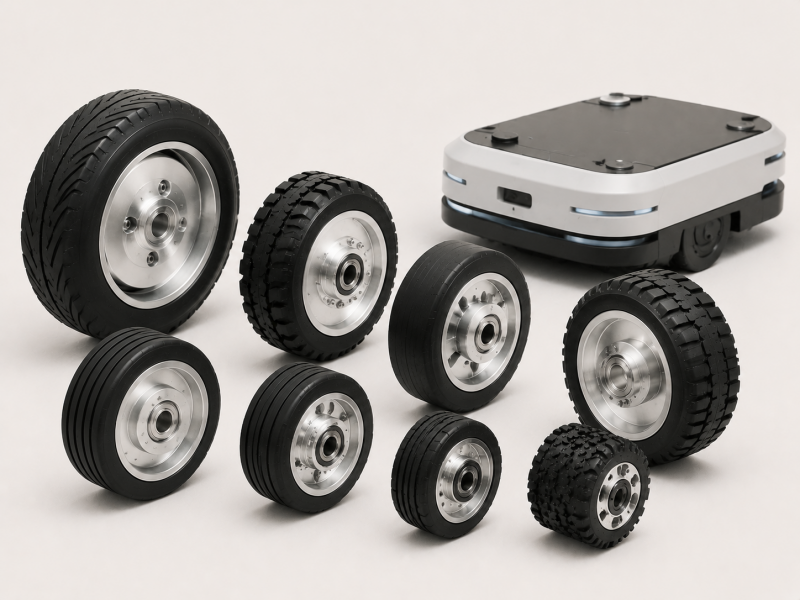
Quadruped Robot Wheels: Optimizing Compact Patrol Robot Dogs for Security B103
Explore how Ginotek's custom Quadruped Robot Wheels resolve navigation slipping and vibration issues for smart security patrol robot dogs operating on rugged campus, park, and property environments.
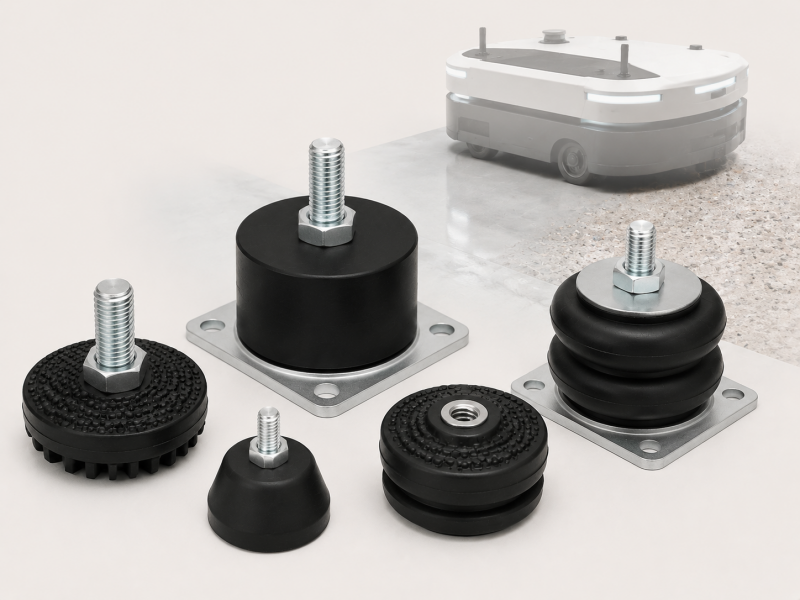
Critical Rubber Damping Feet for AGV: Optimising Stability on Floors
Learn how Ginotek's Rubber Damping Feet for AGV tackle AGV slipping and vibration issues on epoxy and concrete floors, reducing maintenance costs and ensuring precise warehouse navigation.
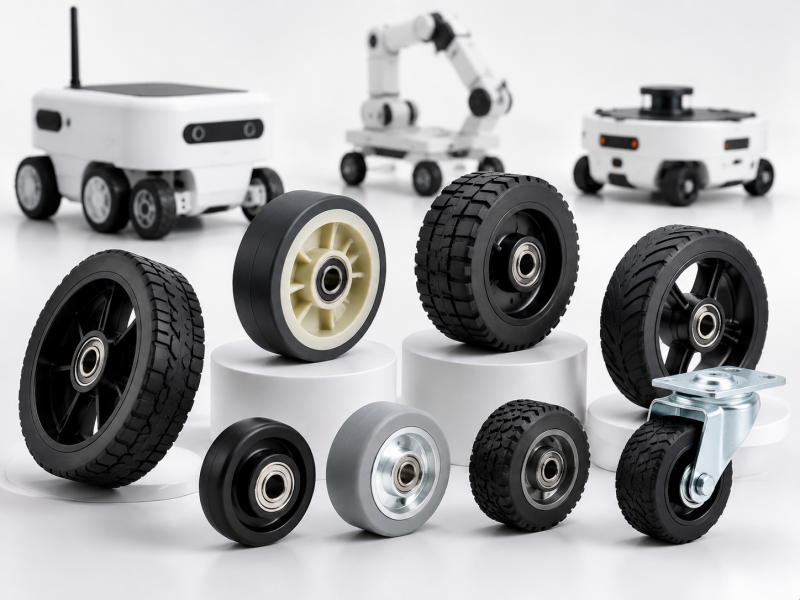
Critical Small Robot Rubber Wheel Technology: Guide to Mobile Robotics B099
Selecting the right wheel material directly impacts mobile robot performance. Discover why upgrading to a custom Small Robot Rubber Wheel eliminates destructive vibrations, reduces noise, and protects facility floors.
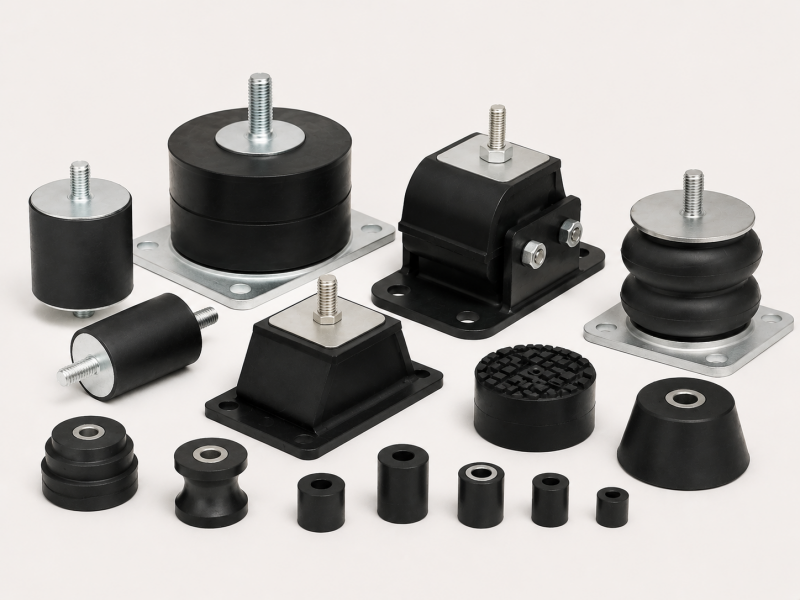
Robotics Rubber Damping Parts: The Ultimate Guide to AGV/AMR Vibration Control B098
Uncontrolled vibration reduces AGV/AMR navigation accuracy and damages payloads. Discover why engineering-grade Robotics Rubber Damping Parts are essential for protecting mobile robots, reducing downtime, and extending operational lifespan.