
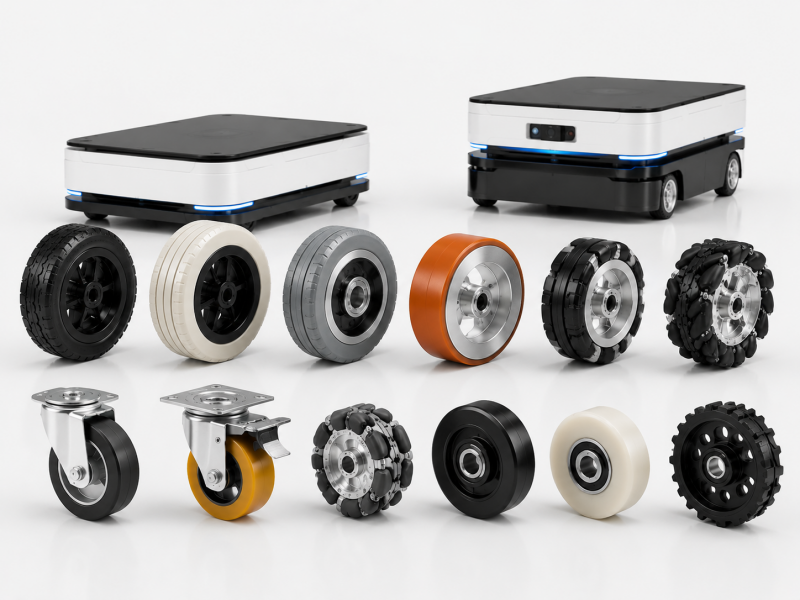
Types of Robot Wheels: The Definitive Reliable Guide to AMR and AGV B108


Related Posts
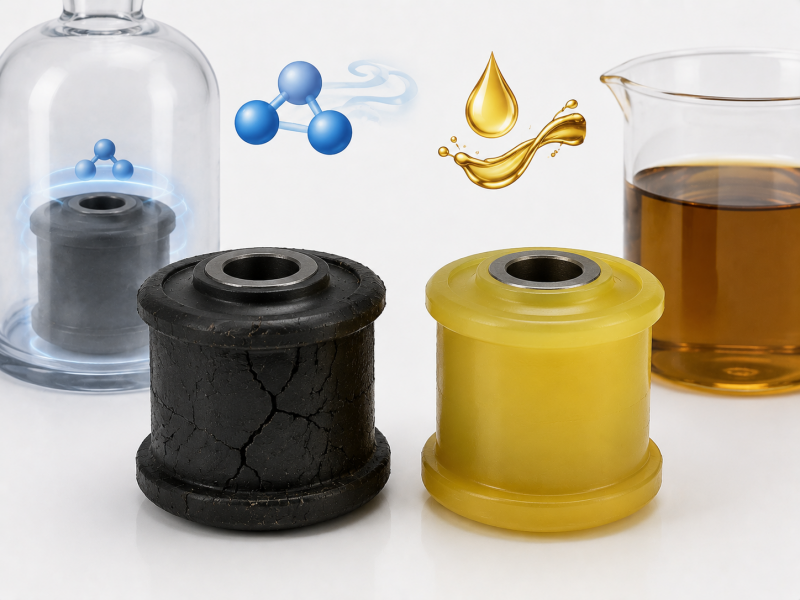
Reliable Rubber Bushings vs Polyurethane: Which Lasts Longer Under Ozone and Oil Exposure? B117
Evaluating rubber bushings vs polyurethane for suspension longevity? This guide reveals why customized composite rubber outperforms standard PU under harsh atmospheric ozone and undercarriage fluid exposure.
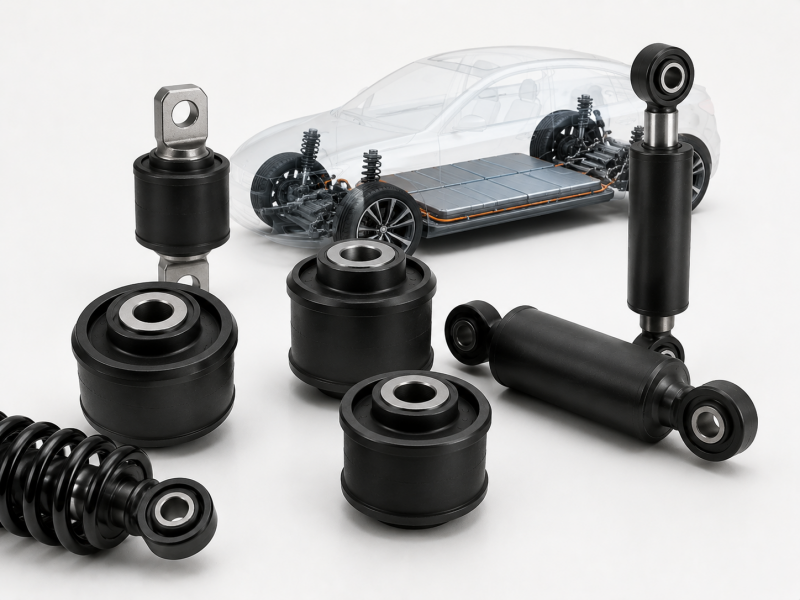
Rubber Bushing for Shocks: Reliable Engineering Durability for Electric Vehicles B116
Upgrading to a specialized rubber bushing for shocks is essential for electric vehicles to handle increased battery weight, high-frequency motor vibrations, and instant torque stresses while maintaining cabin quietness.
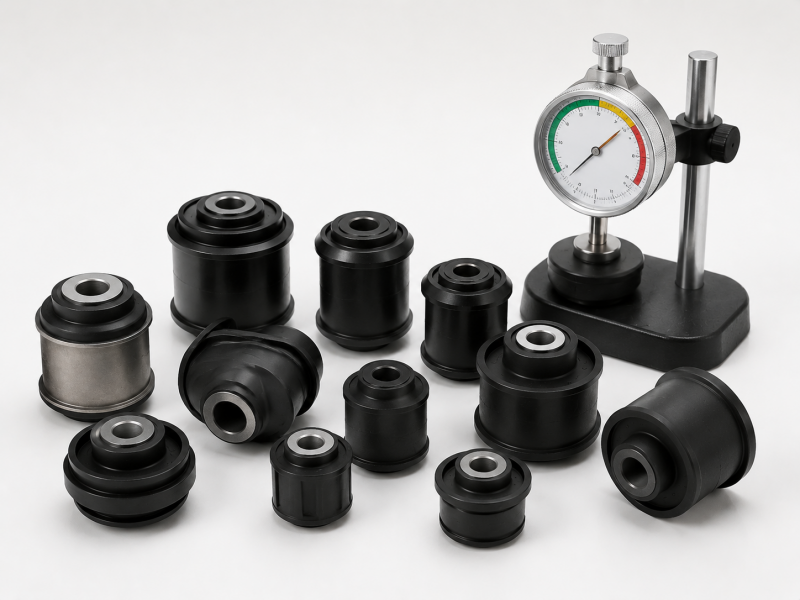
Rubber Bushings for Cars: The Reliable Shore A Hardness Guide for Distributors B115
Selecting the right Shore A hardness for rubber bushings for car ensures driving comfort and steering stability, helping global distributors eliminate product returns and expand wholesale profits.
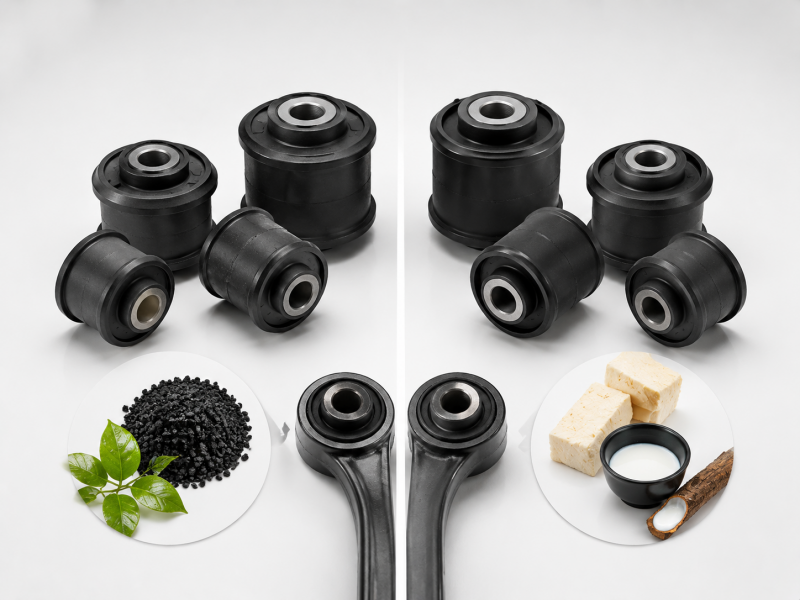
Replacement Rubber Bushings Suspension: EPDM vs. Natural Rubber Guide B114
Choosing the right material for replacement rubber bushings suspension is critical. This guide compares EPDM and Natural Rubber to help global distributors optimize inventory, climate adaptability, and profit margins.
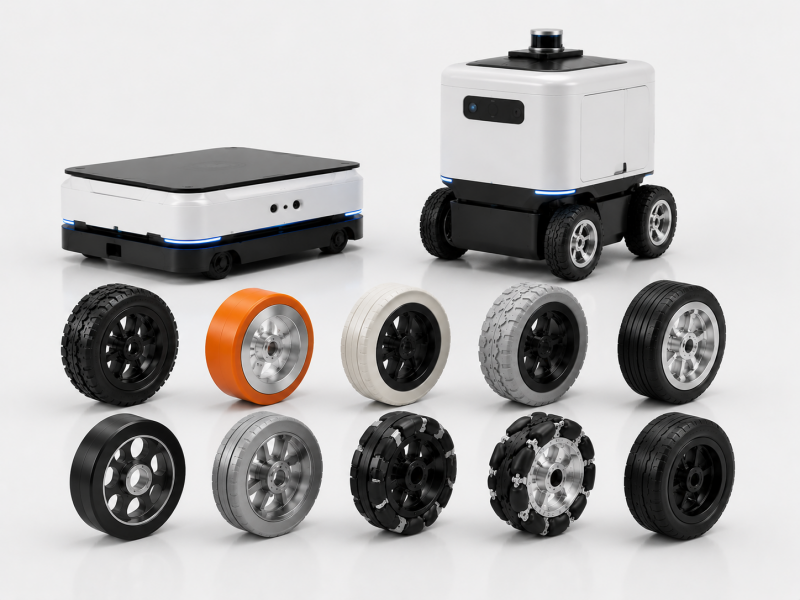
Custom Robot Car Wheel Manufacturer: Reliable Driving with Ginotek B111
This article explores the defining manufacturing trends transforming autonomous mobile platforms and highlights how a specialized custom robot car wheel manufacturer optimizes performance, durability, and cost-efficiency.
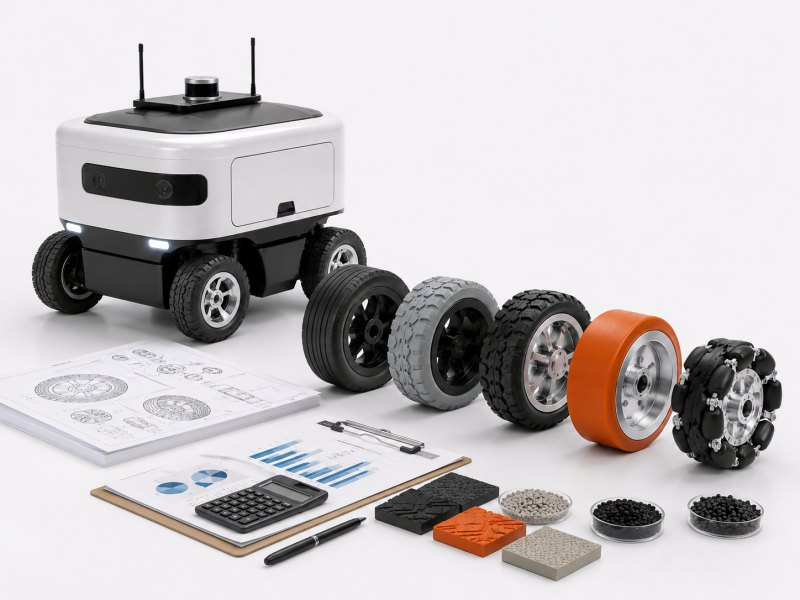
OEM Rubber Wheels for Robot Cars: The Reliable Ultimate Cost Blueprint by Ginotek B110
This article breaks down the cost structure of OEM rubber wheels for robot cars, detailing material, production, and R&D costs across different applications to help manufacturers maximize profitability.
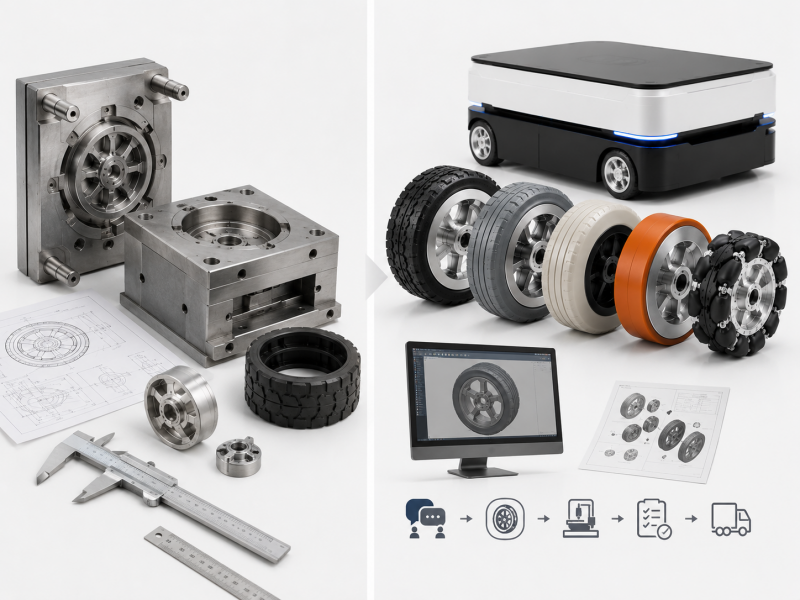
Wheels for a Robot: The Proven Integrated OEM Customization B109
This strategic analysis examines the financial and technical bottlenecks of self-built mold workshops for manufacturing wheels for a robot, showcasing how Ginotek’s one-stop OEM solutions maximize industrial fleet deployment.
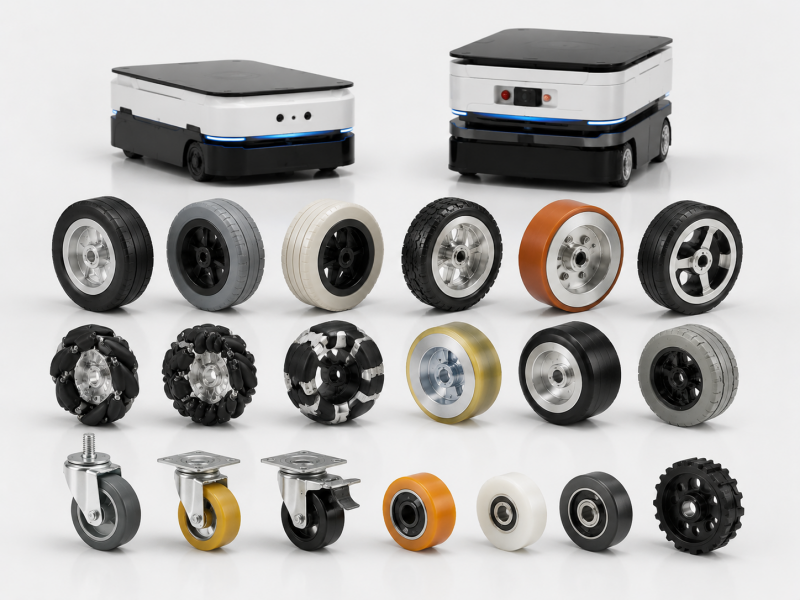
Types of Wheels for Robots: The Ultimate Reliable OEM/ODM Guide for AGV & AMR B107
This comprehensive guide analyzes the six major types of wheels for robots, comparing their structural pros and cons to help automation integrators select the ideal Ginotek custom mobility solution.
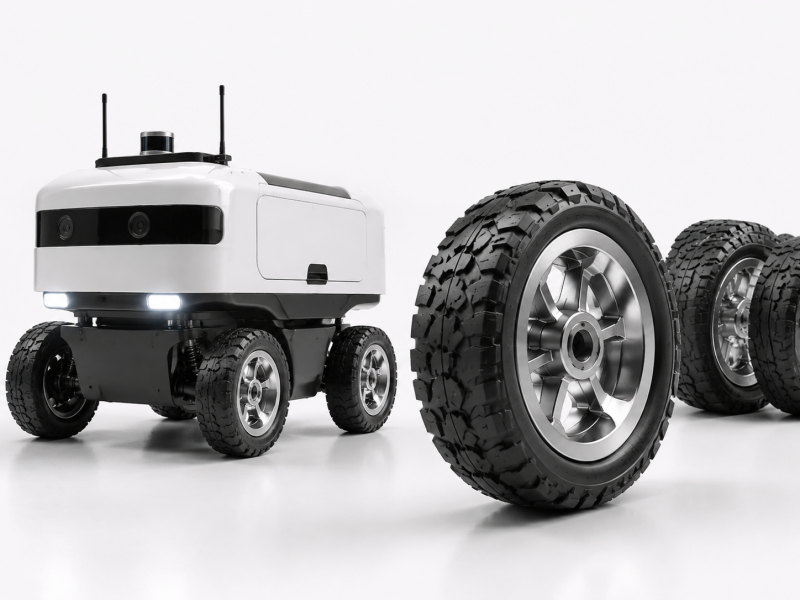
Rubber Tires for Robot: Ultimate Outdoor Anti-Slip Solutions for Delivery and Patrol Inspection Robots B106
This guide breaks down the baseline service life of industrial rubber tires for robot systems, analyzes premature wear root causes, and showcases how Ginotek’s custom engineering extends tire longevity.
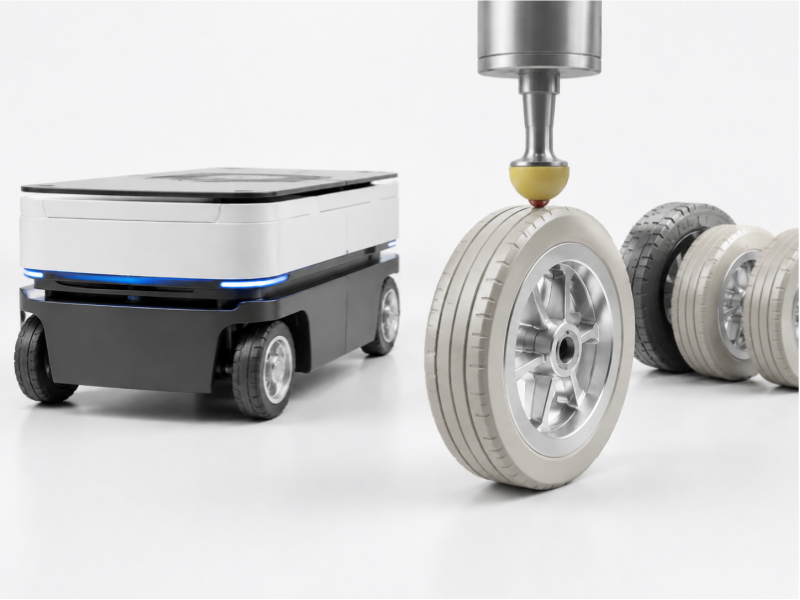
Rubber Wheels for Robot Car: How Custom Shore A Hardness for Reliable Performance B105
This guide explores how rubber hardness dictates traction and stability in rubber wheels for robot car designs, highlighting Ginotek’s tailored OEM/ODM solutions to eliminate wheel slippage.
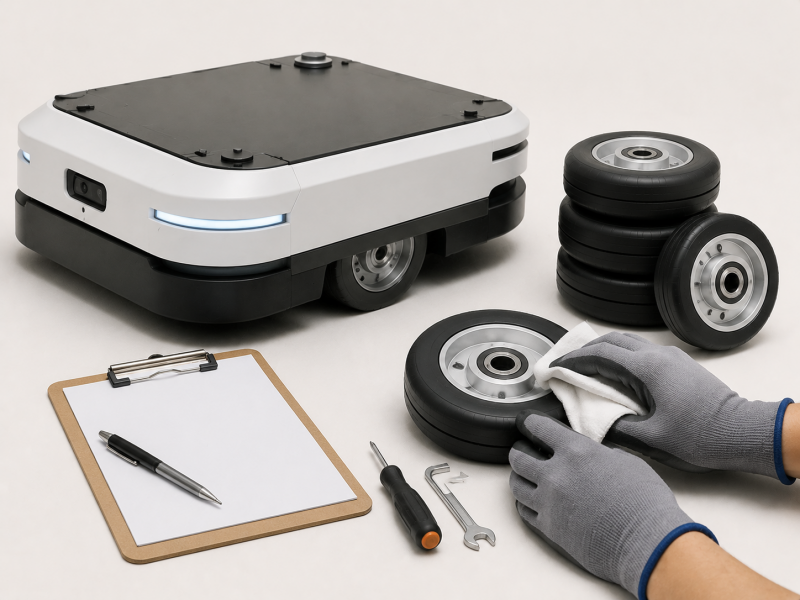
Wheels for Robotics: The Critical Ultimate Daily Guide for Peak AMR/AGV B104
This guide provides a practical daily inspection checklist for wheels for robotics, analyzes premature wear root causes, and explains how Ginotek’s custom polyur
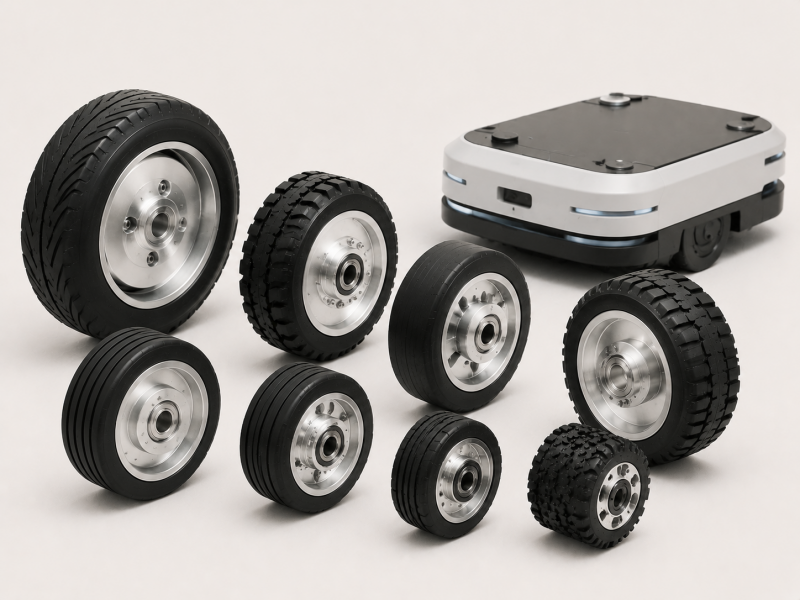
Quadruped Robot Wheels: Optimizing Compact Patrol Robot Dogs for Security B103
Explore how Ginotek's custom Quadruped Robot Wheels resolve navigation slipping and vibration issues for smart security patrol robot dogs operating on rugged campus, park, and property environments.