
Ginotek Industrial Rubber: 4 Powerful Insights — A Technical Deep Dive B010



Related Posts

Polyurethane Control Arm Bushings vs Rubber: The Hidden TCO Trap B118
This guide breaks down the total cost of ownership between cheap PU, OEM rubber, and premium polyurethane bushings, helping procurement teams avoid deceptive upfront unit-price traps.
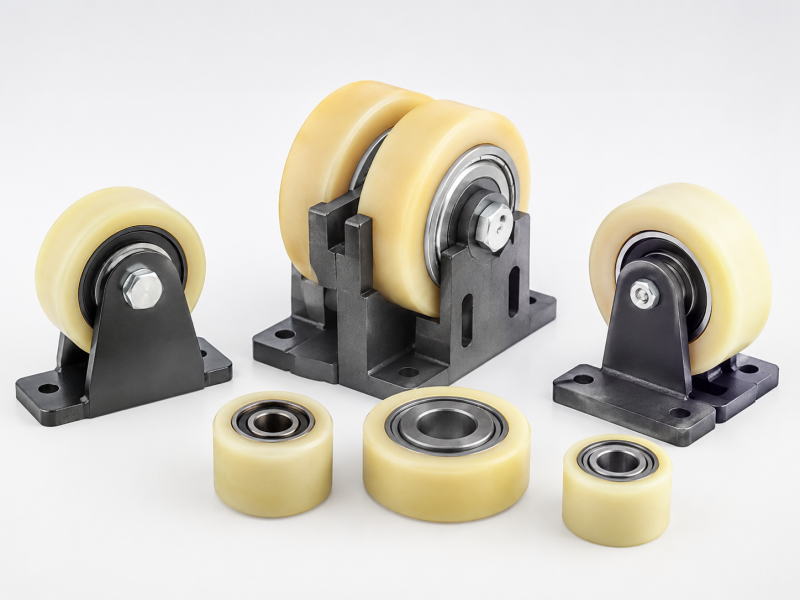
Custom Elevator Guide Shoe Rollers: Tailored Solutions for Superior Elevator Stability and Performance 5
Why Custom Elevator Guide Shoe Rollers Are Becoming Essential
As modern elevator systems continue evolving toward higher speeds,...
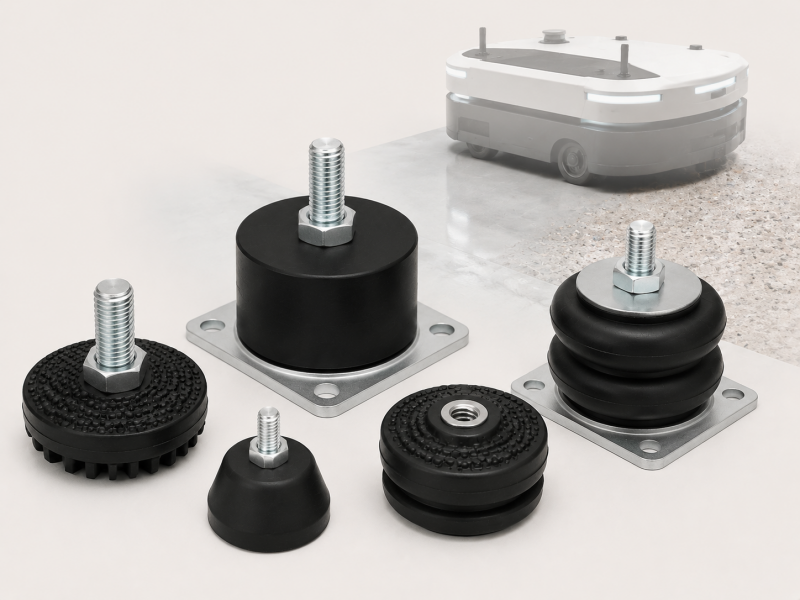
Critical Rubber Damping Feet for AGV: Optimising Stability on Floors
Learn how Ginotek's Rubber Damping Feet for AGV tackle AGV slipping and vibration issues on epoxy and concrete floors, reducing maintenance costs and ensuring precise warehouse navigation.
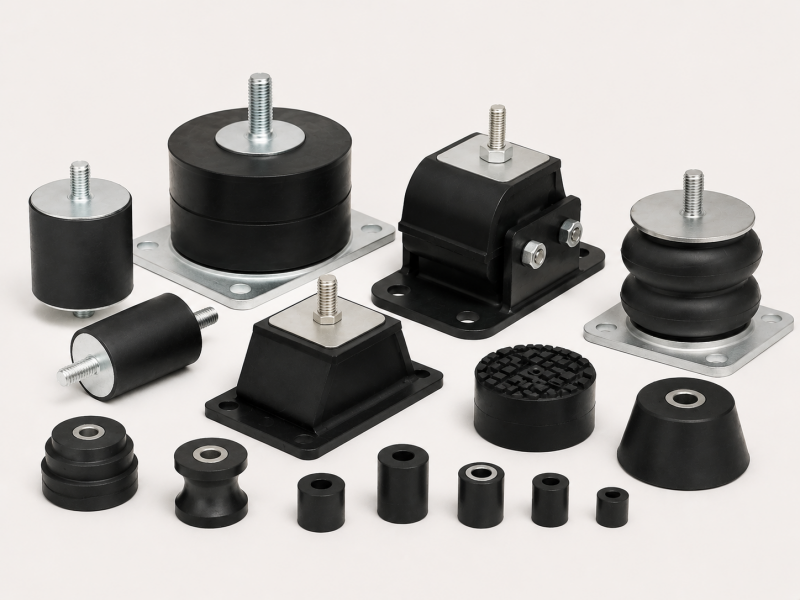
Robotics Rubber Damping Parts: The Ultimate Guide to AGV/AMR Vibration Control B098
Uncontrolled vibration reduces AGV/AMR navigation accuracy and damages payloads. Discover why engineering-grade Robotics Rubber Damping Parts are essential for protecting mobile robots, reducing downtime, and extending operational lifespan.
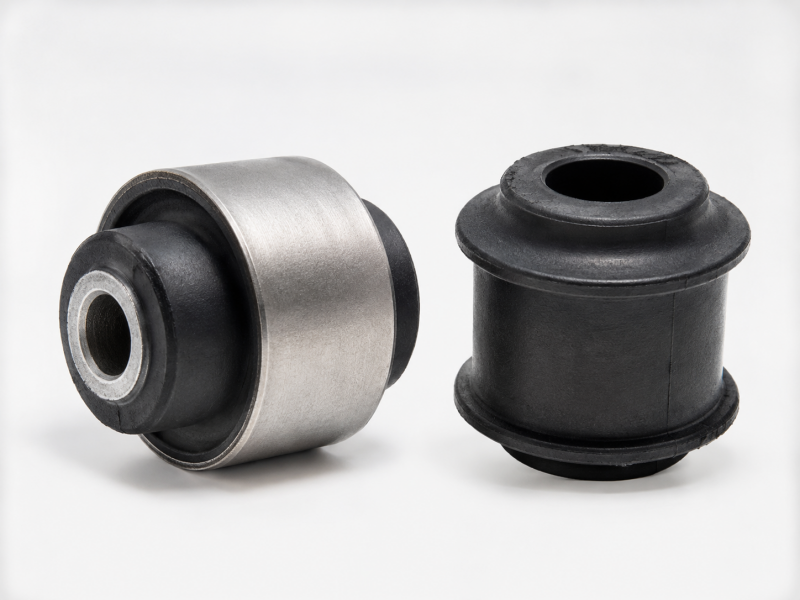
Rubber Bushings Near Me: Metal vs. Plain Rubber for Superior Durability B087
This comprehensive industrial guide compares metal sleeve reinforced options against plain rubber components, helping buyers sourcing Rubber Bushings Near Me make the right choice for heavy-duty vibration control.
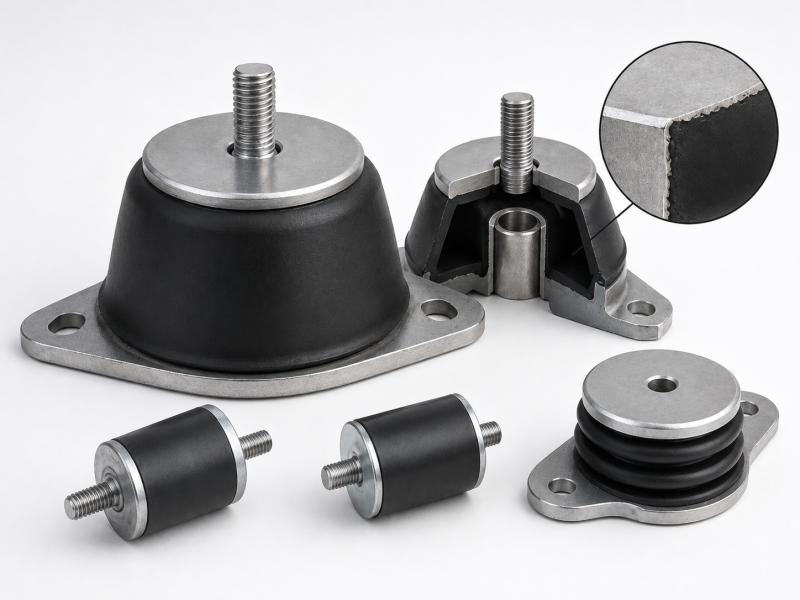
Vibration Mounts Rubber: Innovative R&D Science B086
This technical guide explores how Ginotek's specialized R&D optimizes Vibration Mounts Rubber through advanced polymer science and multi-stage metal surface treatments, ensuring zero delamination under extreme industrial conditions.
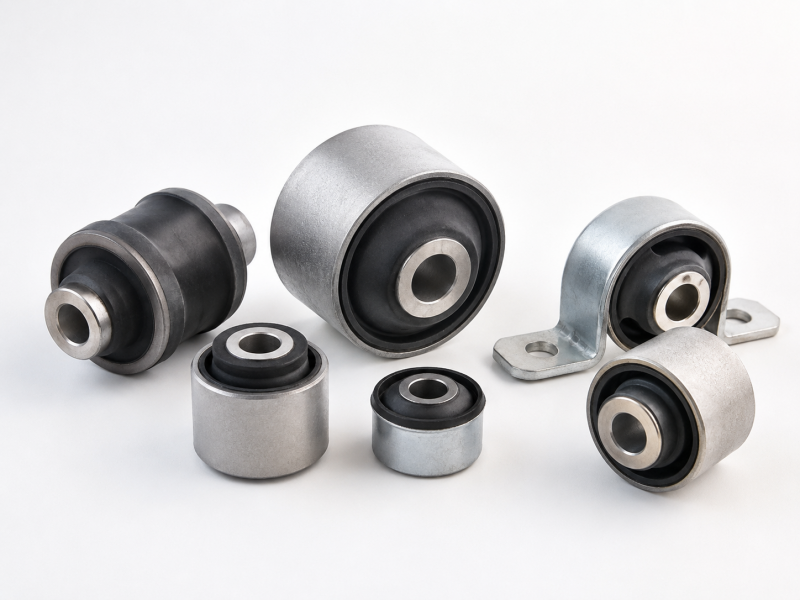
Rubber Bushings with Steel Sleeve: Reliable Industrial Machinery B085
This comprehensive guide explores how Rubber Bushings with Steel Sleeve protect heavy machinery by absorbing destructive vibrations, optimizing load distribution, and preventing premature structural wear in harsh industrial environments.
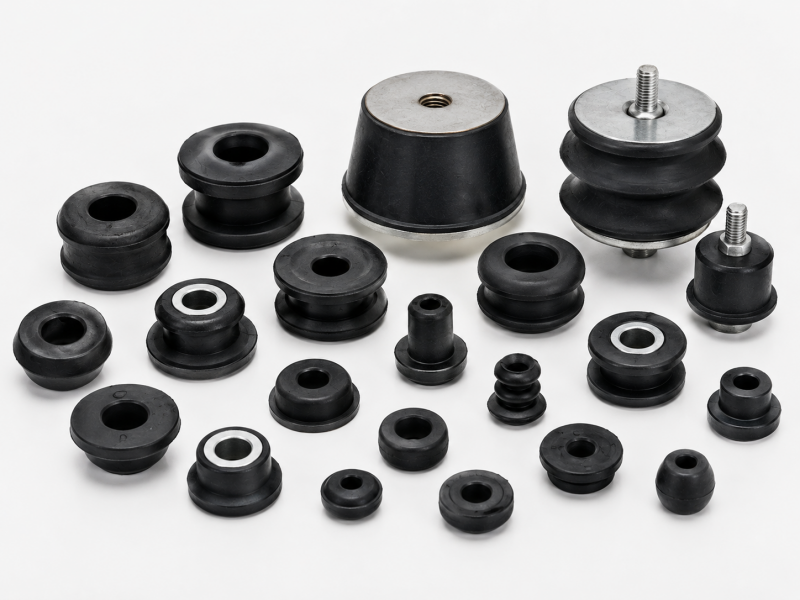
Rubber Mounting Grommets: The Ultimate Guide to OEM Solutions B082
This article explores the vital role of Rubber Mounting Grommets in modern engineering, highlighting their applications in automotive, elevator, and industrial sectors, and the advantages of choosing experienced OEM manufacturers.
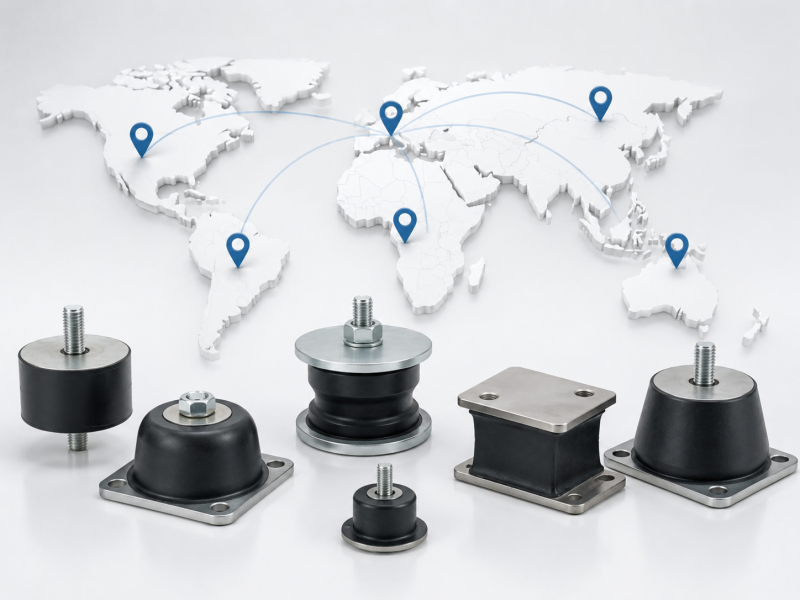
Rubber Mounts Near Me: Industrial Isolation Solutions Globally B080
Locating Rubber Mounts Near Me requires balancing local availability with world-class manufacturing. This guide explores how Ginotek provides premium vibration isolation and custom rubber solutions to industrial machinery manufacturers worldwide.
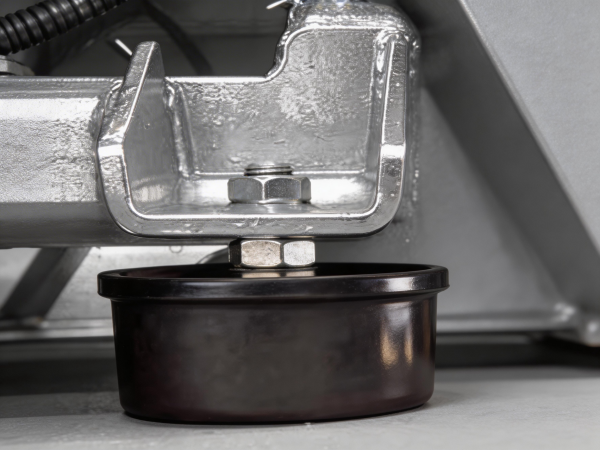
Rubber Machinery Mounts: Critical Factor for Performance B078
This article explores why calculating load capacity is essential when selecting Rubber Machinery Mounts, detailing the risks of overloading and how proper weight distribution extends machinery lifespan and operational efficiency.
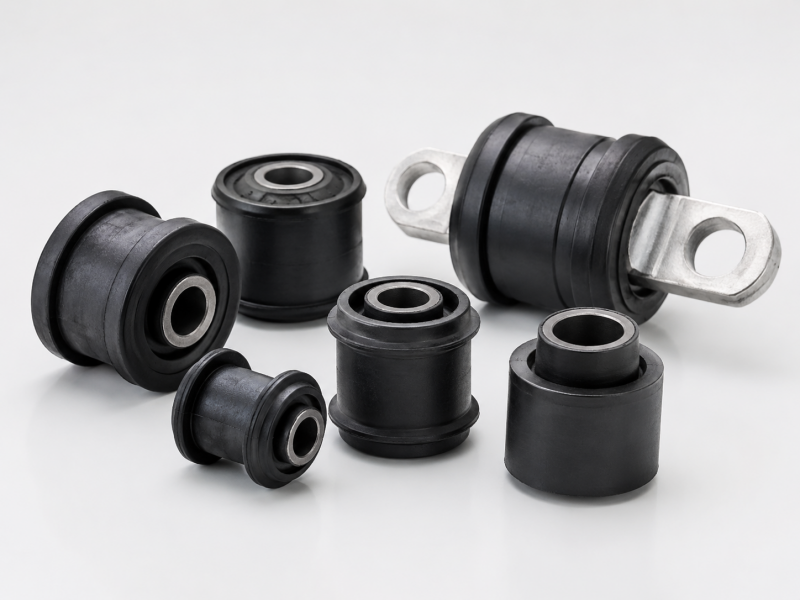
Rear Shock Absorber Rubber Bushes: Premium OEM Solutions B076
This article explores the critical role of Rear Shock Absorber Rubber Bushes in automotive stability and details Ginotek's expert OEM manufacturing capabilities, R&D strengths, and successful global application cases.
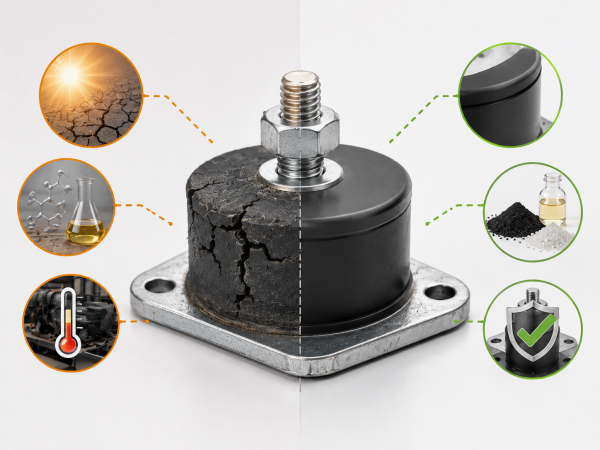
Bolt Down Vibration Damping Mount: Causes of Cracking and Effective Solutions B074
This technical guide explores the primary causes of rubber fatigue in a Bolt Down Vibration Damping Mount, offering professional insights into material selection, installation, and environmental protection for industrial longevity.