
Choose Engine Mounts and Install Engine Mounts: 7-Step Complete Guide for Smooth Performance

Brief Description: Learn how to Choose Engine Mounts for your vehicle, including material choice, compatibility, and step-by-step installation tips. Discover DIY techniques, professional services, and maintenance cost insights to ensure correct installation and avoid engine displacement or vibration issues. Explore case studies and brand recommendations for quality assurance.
1. Choose Engine Mounts: Key Considerations
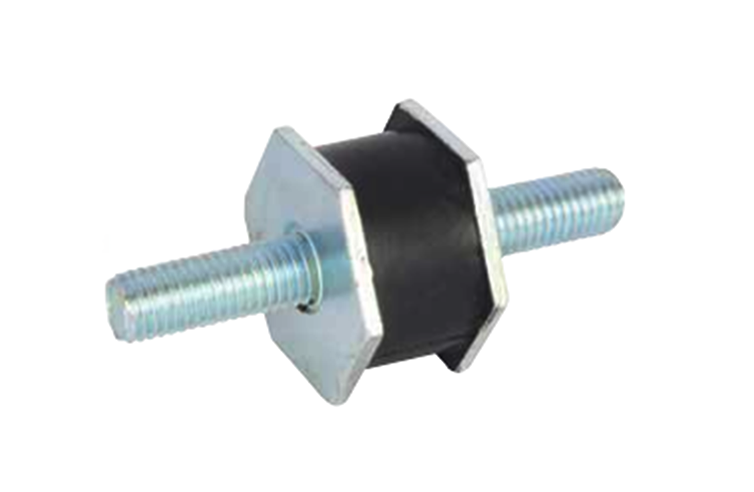
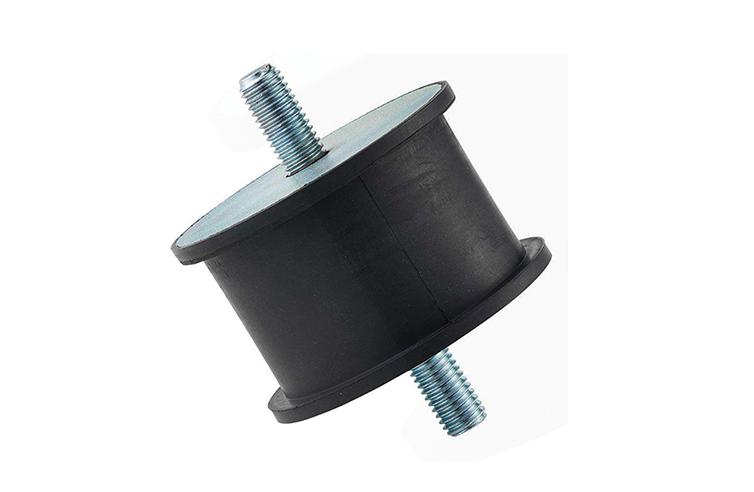
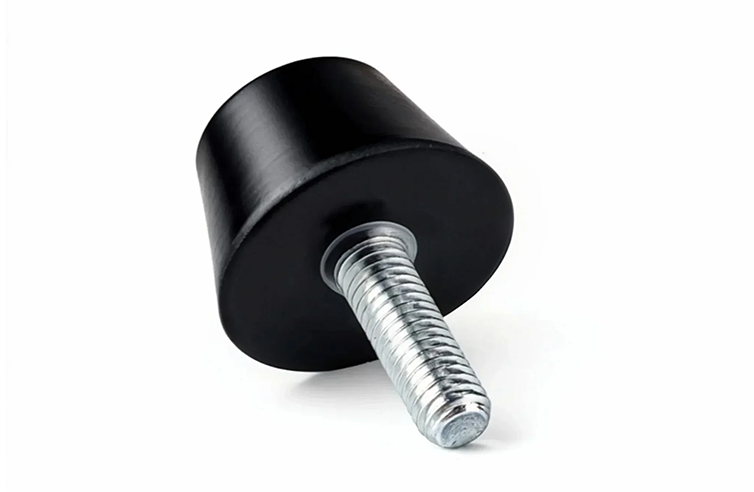
Selecting the best engine mounts for your vehicle involves evaluating several important factors that directly affect performance, comfort, and long-term reliability.
- Material Choice: Choose Engine Mounts if your priority is effective vibration absorption and improved cabin comfort, especially for daily driving. For high-performance or heavy-duty vehicles, hydraulic mounts may be more suitable, as they offer superior damping under dynamic loads. The selected material has a direct impact on durability, noise reduction, and resistance to heat or oil exposure.
- Compatibility: Always confirm that the engine mount is designed for your specific vehicle make and model, such as Toyota, BMW, or Hyundai. Cross-referencing OEM part numbers, engine codes, and mounting positions helps avoid installation issues and ensures proper load distribution.
- Brand Recommendations: Reputable brands like ACDelco, TRW, and OEM-approved manufacturers provide consistent quality and tested performance. Reviewing 2025 global supplier rankings, certifications, and warranty coverage can further help you identify reliable sources and reduce the risk of premature failure.
2. Installation Process: Step-by-Step Guide
Correct installation is crucial to prevent engine displacement, excessive vibration, and premature mount failure. Using the right tools and following proper procedures ensures both safety and long-term performance.
Tools Required: Before starting, gather essential tools such as a hydraulic jack, jack stands, a calibrated torque wrench, and a complete socket set. Having these ready helps avoid interruptions during installation and ensures accurate bolt tightening.
Step-by-Step Installation:
- Safety First: Disconnect the battery to eliminate electrical risks and park the vehicle on a flat, stable surface. Secure it firmly with jack stands before working underneath.
- Remove Old Mount: Gently support the engine with a jack to relieve the load from the mount, then loosen and remove the mounting bolts carefully.
- Install New Mount: Position the new mount precisely, ensuring proper alignment. Tighten bolts in a diagonal or cross pattern to evenly distribute pressure.
- Test Drive: Start the engine and perform a short test drive, listening for abnormal noises and checking for improved vibration control.
Avoiding Common Issues: Vibration and Engine Displacement
Choose Engine Mounts: Avoiding vibration and engine displacement starts with selecting the correct engine mounts and ensuring proper installation. Worn or incorrect mounts allow excessive engine movement, which can lead to increased cabin vibration, drivetrain misalignment, and accelerated wear on surrounding components.
Choose Engine Mounts: To prevent these issues, always choose mounts that match your vehicle’s specifications and operating conditions, paying close attention to material type and load rating. During installation, bolts must be tightened to the manufacturer’s torque specifications and in the correct sequence to ensure even load distribution. Regular inspections are also essential, as early signs of cracking, fluid leakage, or looseness can be addressed before they escalate into serious performance or safety problems.
Maintenance and Cost Insights
Investing in high-quality, durable engine mounts has been proven to significantly reduce the need for frequent long-term maintenance and unexpected repairs. Choose Engine Mounts are engineered with better materials and tighter manufacturing tolerances, allowing them to withstand heat, vibration, and load stress more effectively over time. Regular inspections remain essential even with quality components in place. It is recommended that a visual inspection of engine mounts be performed at intervals of approximately 30,000 miles to identify early signs of cracking, hardening, or fluid leakage. Choose Engine Mounts: from a cost perspective, while high-quality mounts may involve a higher upfront investment, they often deliver substantial savings in the long run by minimizing secondary damage, labor costs, and repeated replacement cycles.
Conclusion
Choosing Engine Mounts and maintaining them properly plays a critical role in vehicle comfort, performance, and reliability. High-quality mounts reduce vibration, prevent engine displacement, and protect surrounding components from premature wear. Choose Engine Mounts: By selecting the appropriate material, ensuring correct installation, and conducting regular inspections every 30,000 miles, drivers can identify issues early and avoid costly repairs. Although premium engine mounts may require a higher initial investment, they provide better durability and long-term value. Choose Engine Mounts: In the long run, proactive maintenance and smart material choices ensure smoother driving, lower maintenance costs, and extended vehicle lifespan.