
Cracked Engine Mount Evaluation: Hairline vs. Severe Damage Guide B057



Related Posts

Polyurethane Control Arm Bushings vs Rubber: The Hidden TCO Trap B118
This guide breaks down the total cost of ownership between cheap PU, OEM rubber, and premium polyurethane bushings, helping procurement teams avoid deceptive upfront unit-price traps.
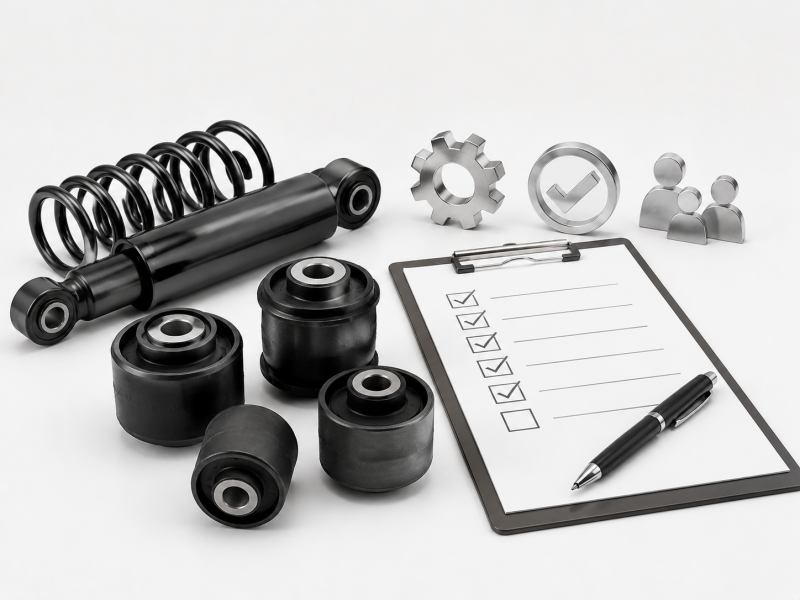
Rubber Bushings Suspension Manufacturing: How to Evaluate a Reliable Partner B113
This strategic guide outlines the four critical criteria for evaluating a reliable rubber bushings suspension manufacturer, demonstrating how Ginotek’s 30-year industrial expertise ensures premium component durability.
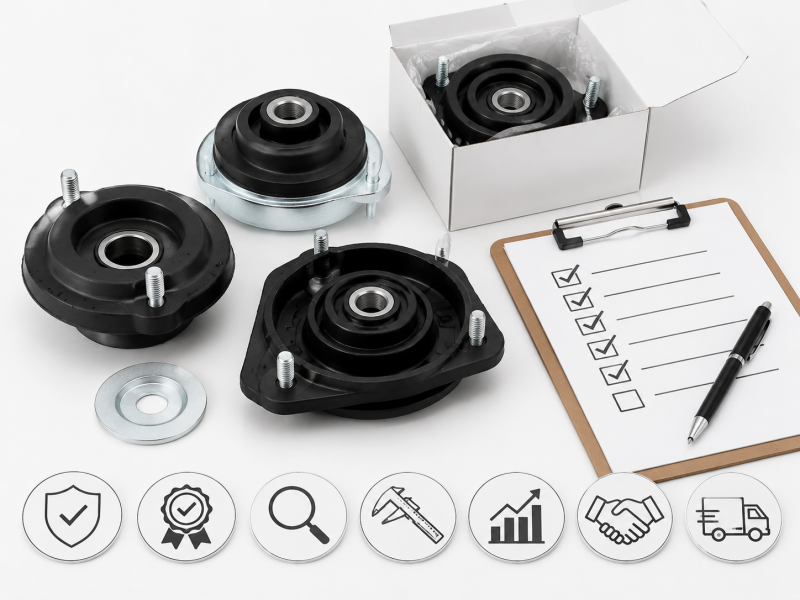
Strut Rubber Mount Procurement: Reliable 7 Key Standards for Auto Parts
This comprehensive guide outlines 7 non-negotiable manufacturing standards for sourcing a reliable strut rubber mount, helping auto parts distributors minimize component failure rates and secure long-term profitability.
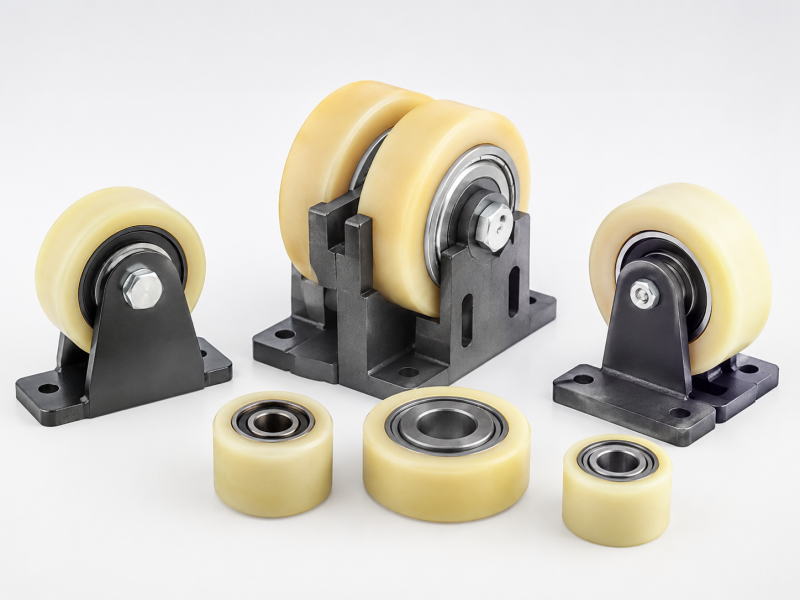
Custom Elevator Guide Shoe Rollers: Tailored Solutions for Superior Elevator Stability and Performance 5
Why Custom Elevator Guide Shoe Rollers Are Becoming Essential
As modern elevator systems continue evolving toward higher speeds,...
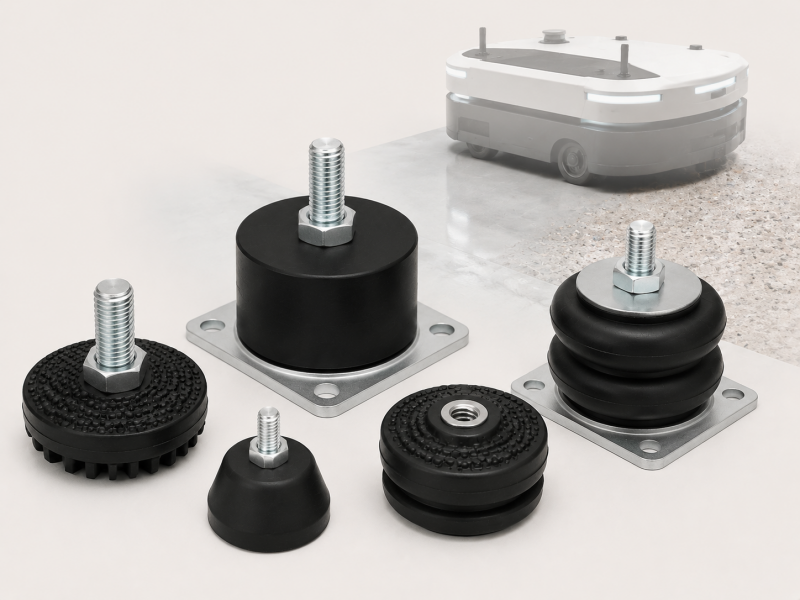
Critical Rubber Damping Feet for AGV: Optimising Stability on Floors
Learn how Ginotek's Rubber Damping Feet for AGV tackle AGV slipping and vibration issues on epoxy and concrete floors, reducing maintenance costs and ensuring precise warehouse navigation.
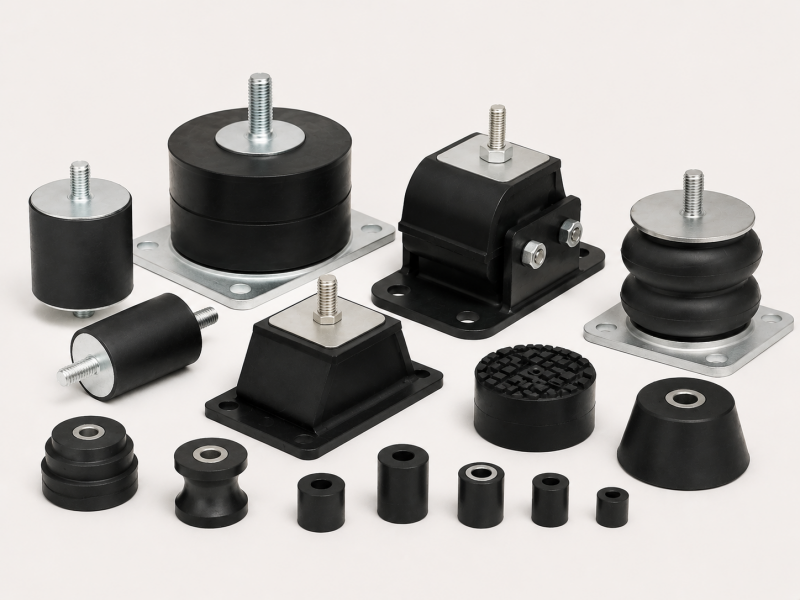
Robotics Rubber Damping Parts: The Ultimate Guide to AGV/AMR Vibration Control B098
Uncontrolled vibration reduces AGV/AMR navigation accuracy and damages payloads. Discover why engineering-grade Robotics Rubber Damping Parts are essential for protecting mobile robots, reducing downtime, and extending operational lifespan.
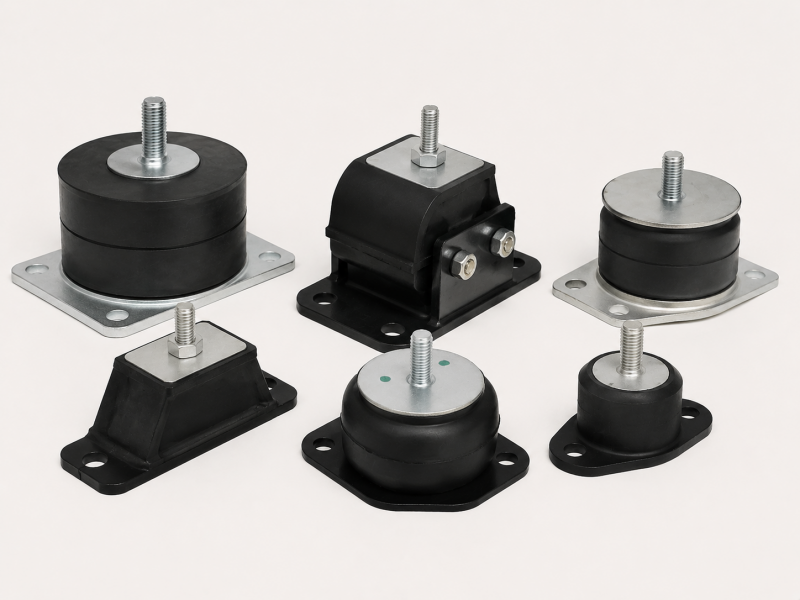
Generator Rubber Mount Solutions: Maximizing Damping for Industrial Gensets B097
This technical guide details how choosing a high-elasticity generator rubber mount prevents structural damage, reduces operational noise, and extends the service life of industrial, marine, and construction generator sets.
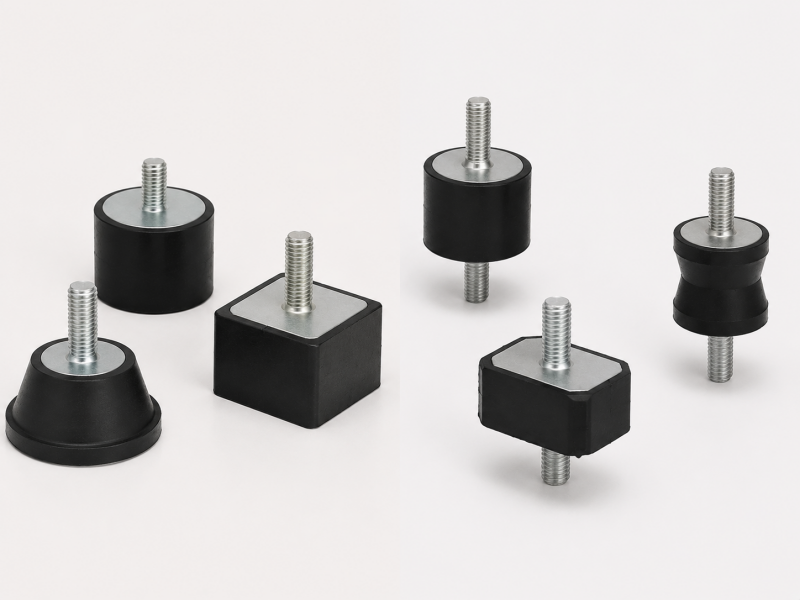
Rubber Mount with Thread Solutions: Single vs. Double Stud Selection Guide B095
This expert guide by Ginotek analyzes the structural differences, applications, and pros of single vs. double stud rubber mount with thread components to help buyers make informed procurement decisions.
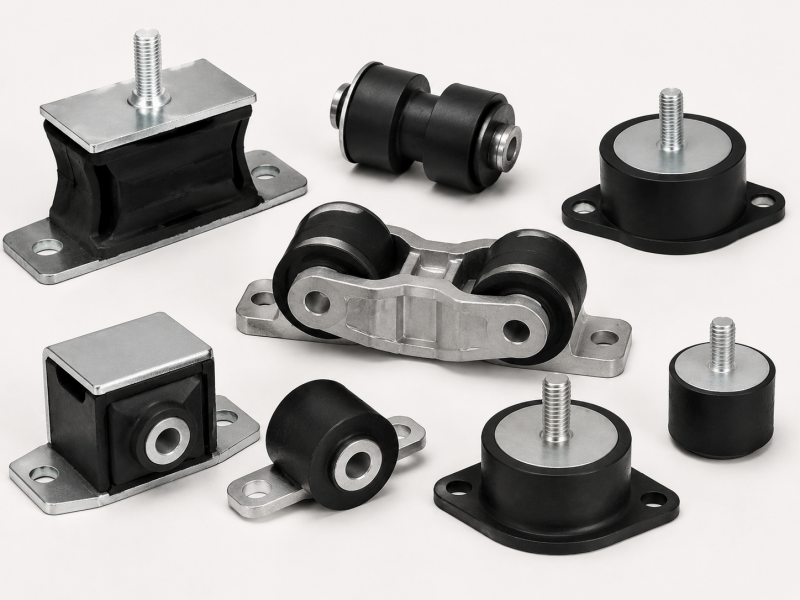
Critical Transmission Rubber Mount Selection for High-Performance OEM Applications B094
This technical guide outlines critical selection criteria for choosing an OEM transmission rubber mount, balancing dynamic loads, material properties, and customization requirements to ensure long-term machinery reliability.
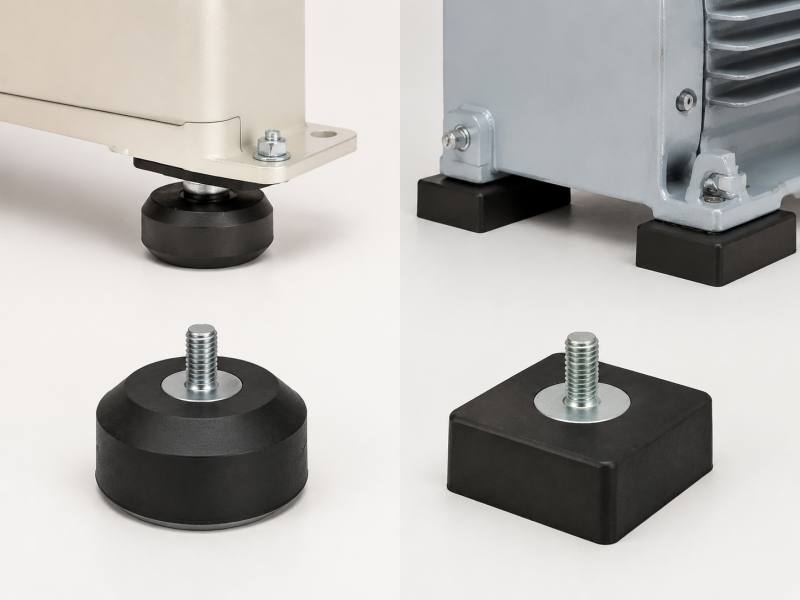
Anti Vibration Rubber Feet: Round vs. Square – Which Design Is Best for Equipment? B093
Discover the differences between round and square Anti Vibration Rubber Feet. Learn how load capacity, vibration isolation, and installation requirements affect equipment performance and purchasing decisions.
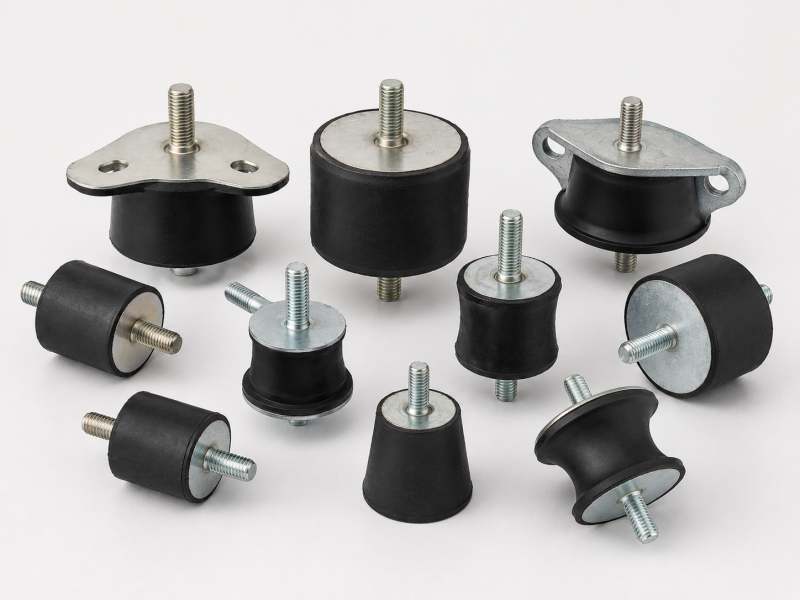
Rubber Mount with Studs: Ultimate Choice with Superior Vibration Control B090
This comprehensive technical guide demonstrates how integrating a precision-engineered Rubber Mount with Studs mitigates structural resonance, lowers mechanical fatigue, and significantly extends the operational lifespan of heavy industrial equipment.
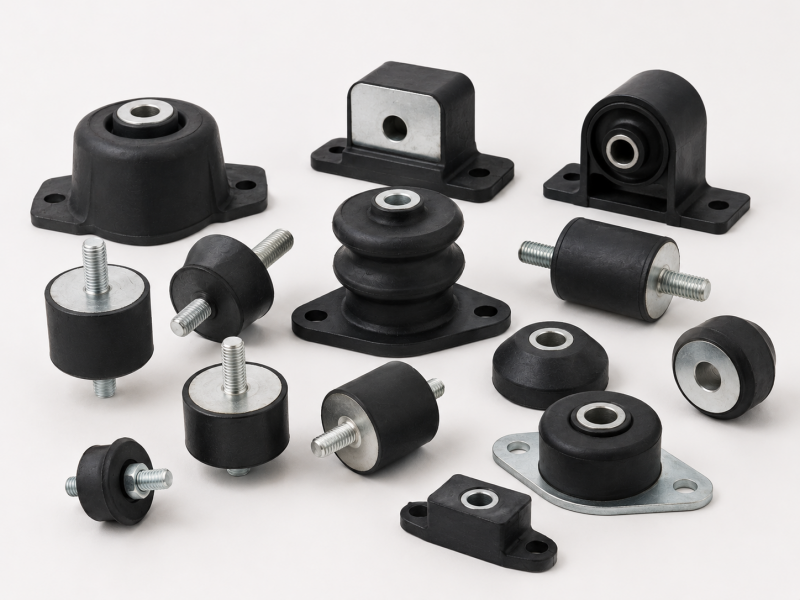
Rubber for Mounting Solutions: Ultimate Custom OEM Guide B089
In competitive supply chains, Ginotek provides bespoke rubber for mounting solutions, leveraging independent R&D, material flexibility, and rigorous ISO quality controls to empower global B2B procurement buyers.