Due to these Natural Rubber Advantages, it is widely used in various industrial applications:
- Vibration Isolation Mounts:Natural rubber effectively reduces mechanical vibration in equipment such as generators, compressors, and HVAC systems.
- Automotive Components:Engine mounts, bushings, and suspension parts benefit from its flexibility and durability.
- Industrial Machinery: Rubber pads, seals, and shock absorbers rely on its strength and resilience.
- Construction and Infrastructure: Bridge bearings and expansion joints use natural rubber for load distribution and movement accommodation.
In all these applications, the material’s ability to perform under dynamic stress gives it a clear advantage over many synthetic options.
Manufacturing Process and Quality Control
The production of natural rubber products involves several critical stages to ensure consistent performance:
1. Raw Material Selection
High-quality latex is sourced and carefully processed into rubber sheets or blocks. The purity of raw material directly impacts final product performance.
2. Compounding
Natural rubber is blended with additives such as carbon black, antioxidants, and curing agents. This step enhances properties like strength, heat resistance, and aging stability while maintaining core Natural Rubber Advantages.
3. Molding and Vulcanization
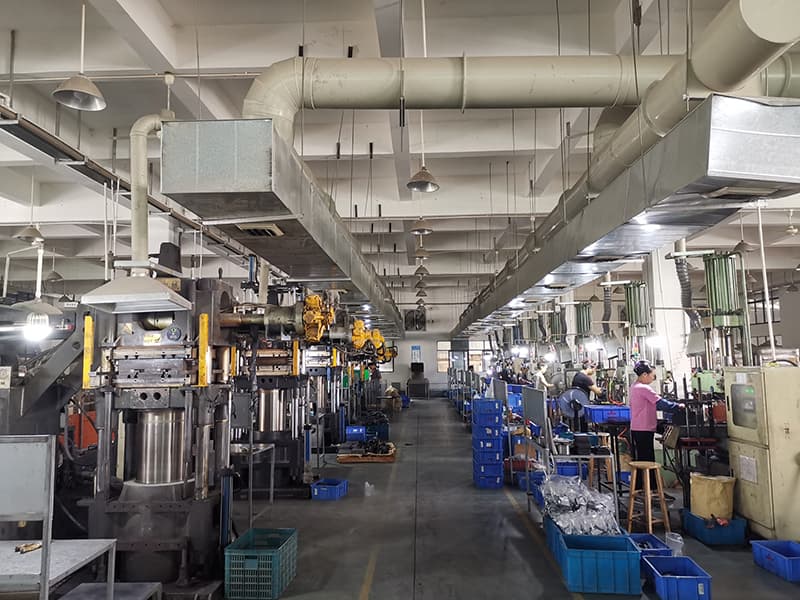
The compounded rubber is shaped through compression, injection, or transfer molding. Vulcanization—a heat-curing process—creates cross-linked molecular bonds, significantly improving elasticity and durability.
4. Testing and Quality Assurance
Advanced testing methods ensure each product meets strict standards for hardness, tensile strength, elongation, and fatigue resistance. Consistent quality control is essential to maintaining reliable performance in industrial environments.
Why Natural Rubber Still Leads
Despite advancements in synthetic materials, natural rubber continues to outperform in applications requiring a balance of strength, flexibility, and resilience. Its ability to handle dynamic loads, absorb vibration, and maintain structural integrity under stress makes it indispensable for manufacturers focused on long-term reliability.
Moreover, the growing emphasis on sustainability further strengthens its position. As industries move toward greener materials, the renewable nature of natural rubber provides a significant competitive advantage.
Conclusion of Natural Rubber Advantages
While synthetic rubber offers specific benefits in niche environments, it often falls short in delivering the comprehensive performance required by modern industries. The proven Natural Rubber Advantages—ranging from superior elasticity to environmental sustainability—make it the preferred material for manufacturers worldwide.
For companies seeking high-performance rubber solutions, natural rubber remains not just a traditional option, but a strategic choice for durability, efficiency, and future-ready production.