
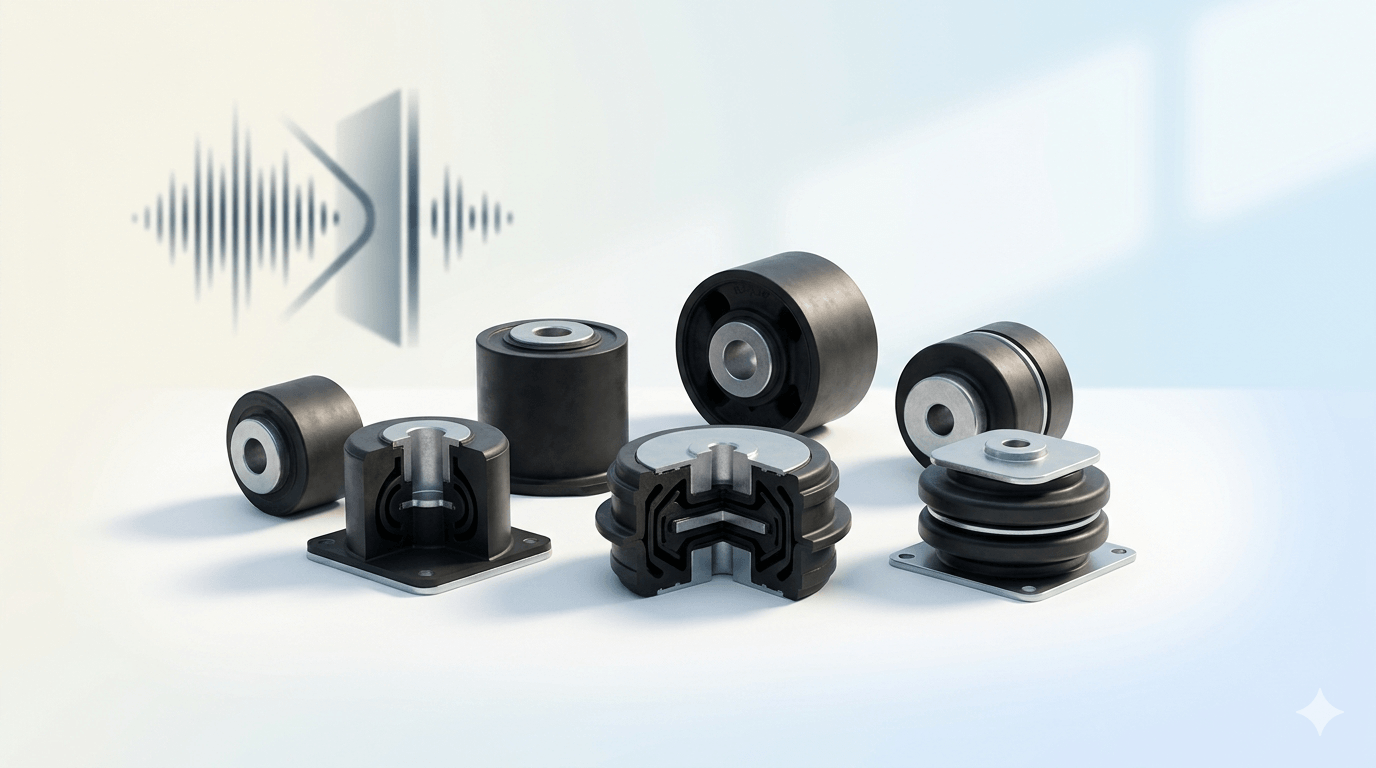
Ways to Solve Noise Pollution with Advanced Rubber Bushings and Mountings: The Ultimate Guide B046
Explore effective Ways to Solve Noise Pollution using rubber bushings and mountings to isolate vibration and protect equipment.
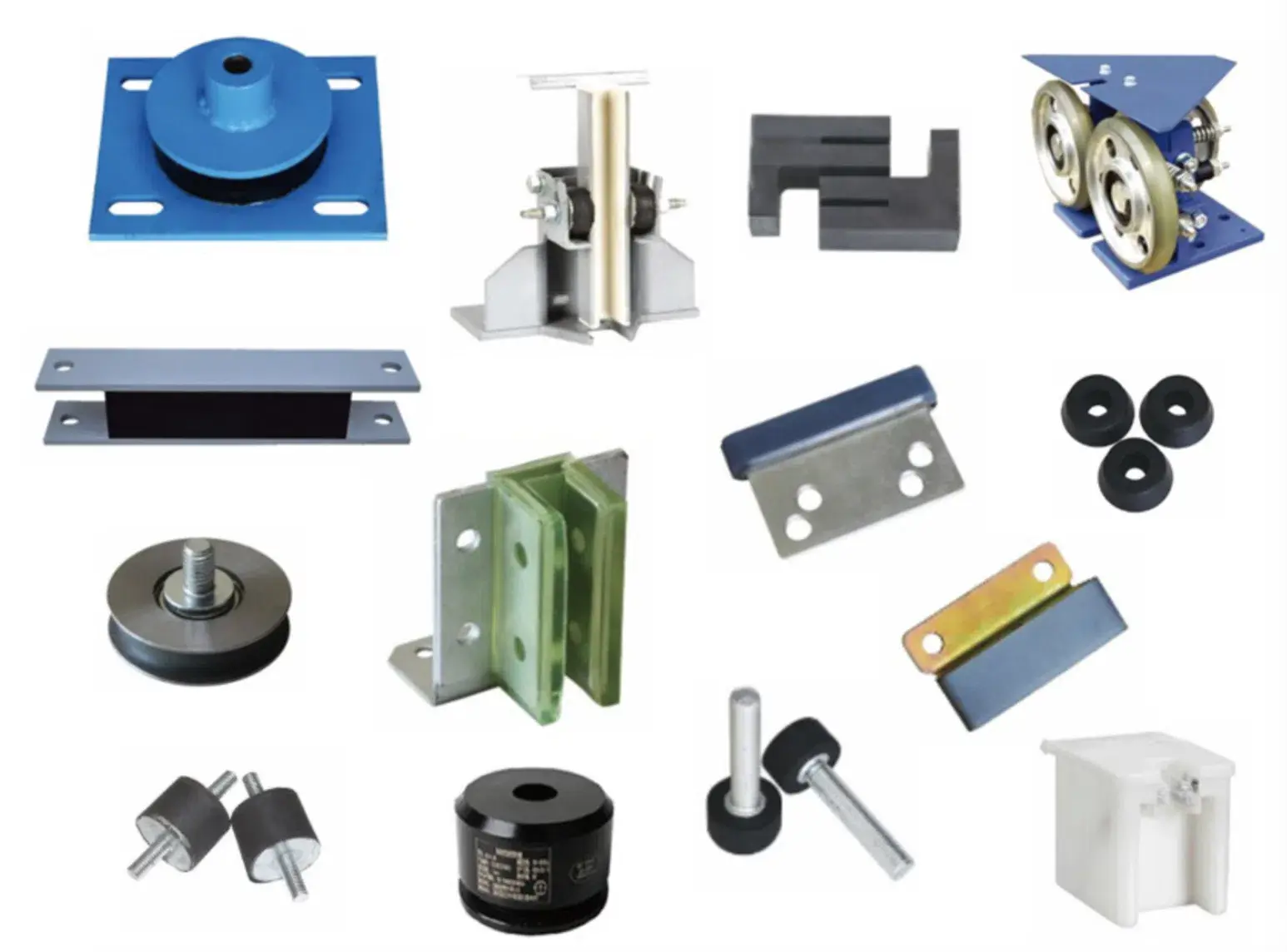
Rubber Shore Hardness Scale: The Ultimate Guide to Picking the Right Shore (30A–90A) for Your Project B045
This Rubber Shore Hardness Scale explains how Shore A hardness from 30A to 90A affects performance. It helps engineers select the optimal hardness for vibration control, sealing, and load-bearing applications.
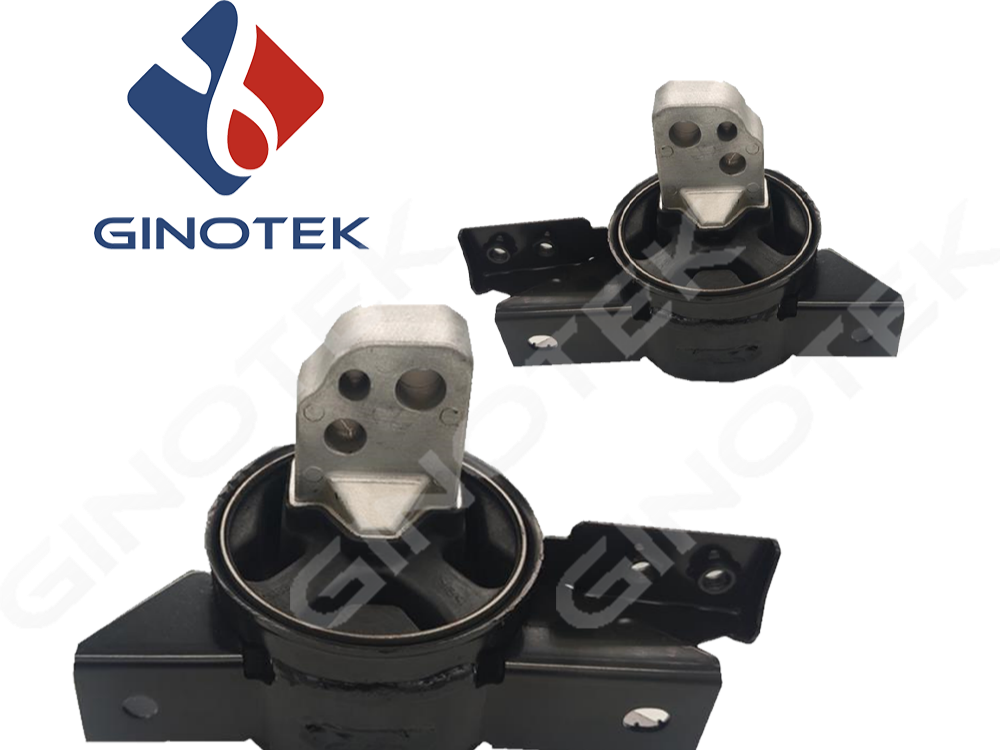
How Long Does It Take to Replace Engine Mounts? DIY vs. Professional Guide & Ginotek’s Solutions B044
Understanding How Long Does It Take to Replace Engine Mounts is essential for vehicle maintenance planning. This guide breaks down the time differences between DIY and professional services, explains the factors causing delays, and highlights how Ginotek’s OEM-grade mounts provide long-term value.
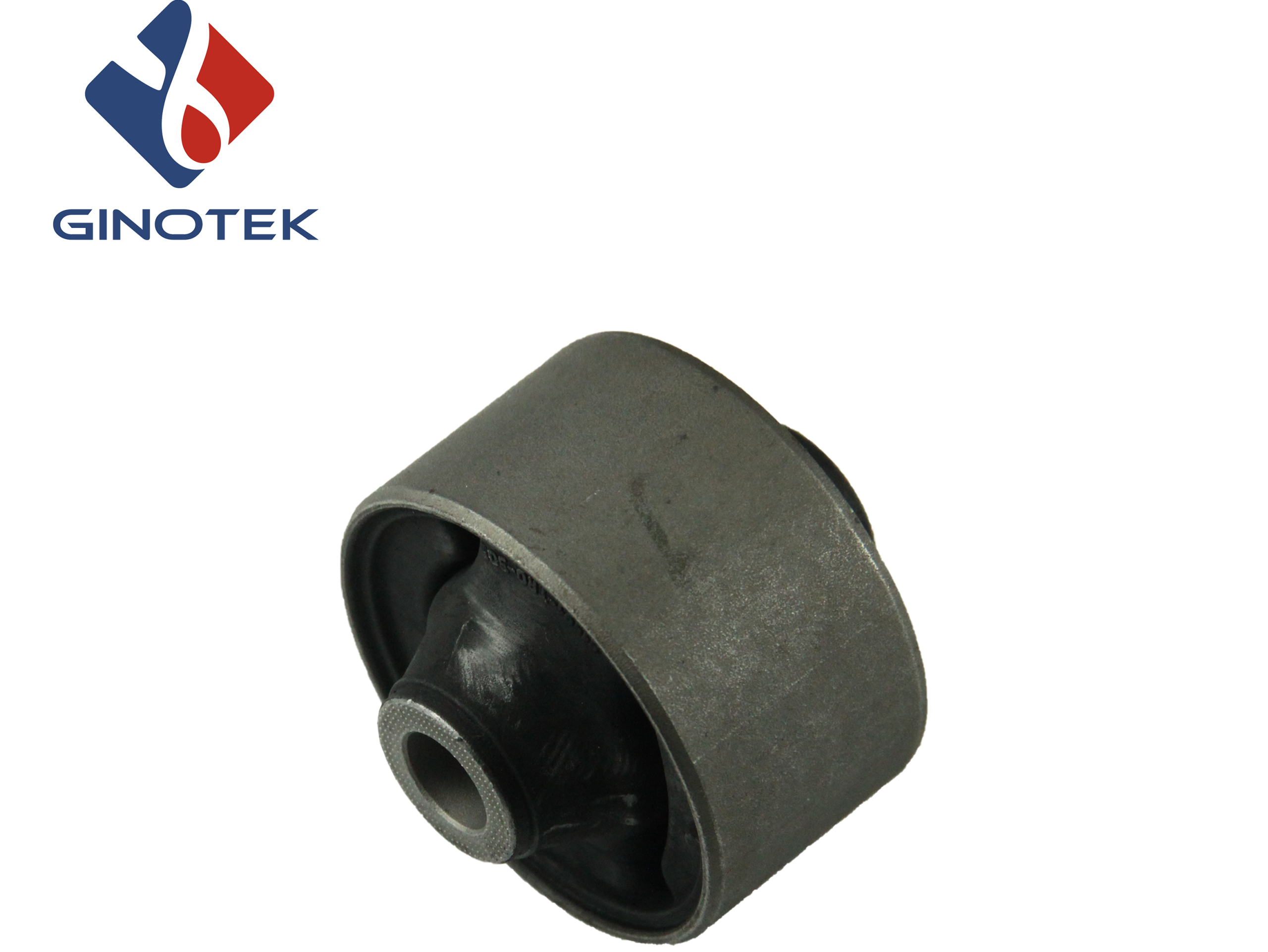
Rubber Bushings Are Used on Suspensions to Improve Stability: A Complete Guide to Signs of Wear and Ginotek’s High-Performance Solutions B043
This article explores why Rubber Bushings Are Used on Suspensions to maintain vehicle control. We detail the critical symptoms of bushing failure, analyze real-world stability cases, and explain how Ginotek’s custom-engineered rubber components outperform standard aftermarket options for global OEMs.
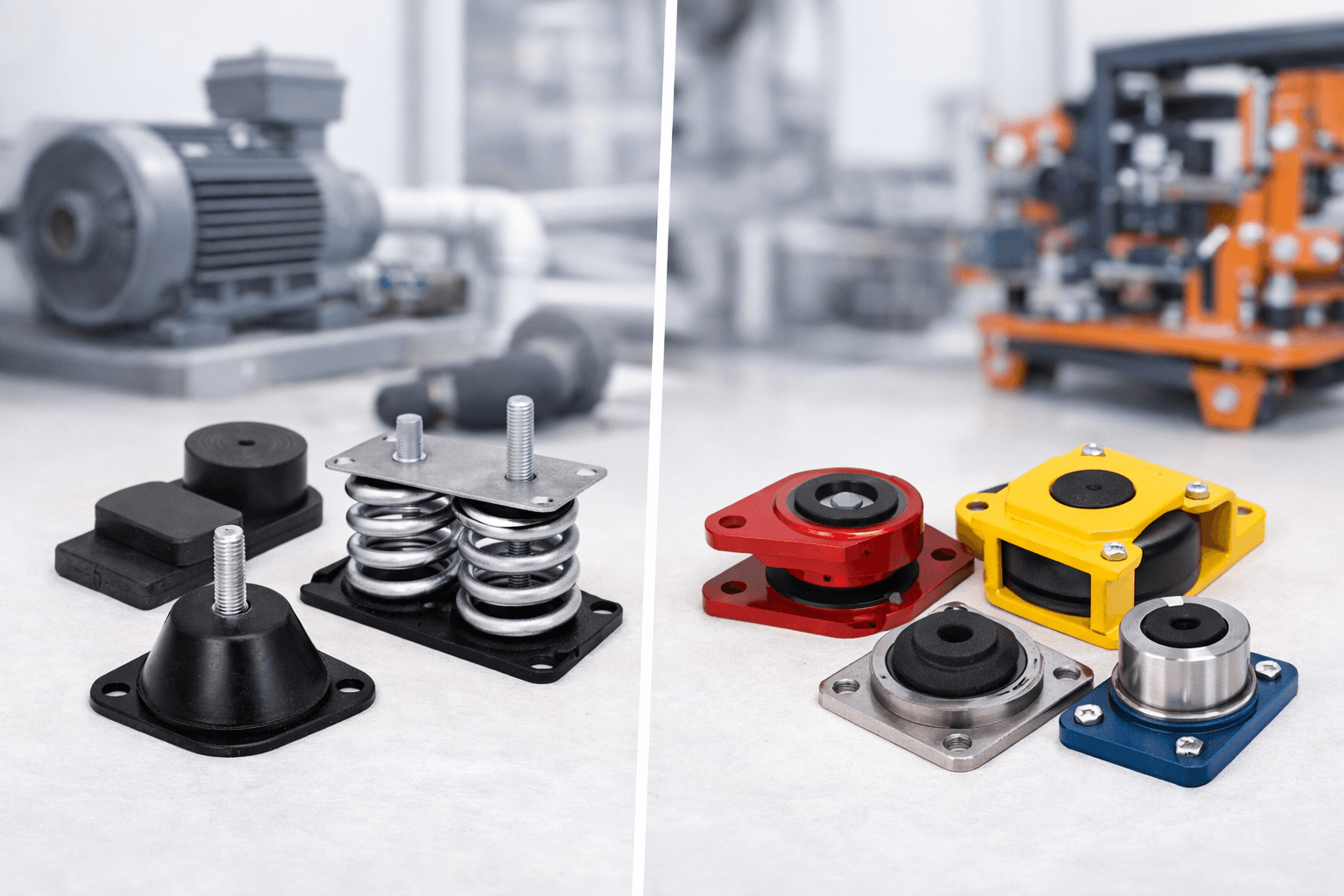
Vibration of Machines: Comparing Standard vs. Custom Isolation Solutions B042
Managing the Vibration of Machines is vital for industrial longevity. This guide explores when to choose off-the-shelf standard mounts versus custom-engineered isolation solutions to ensure your facility operates with maximum precision, reduced noise, and long-term structural reliability.
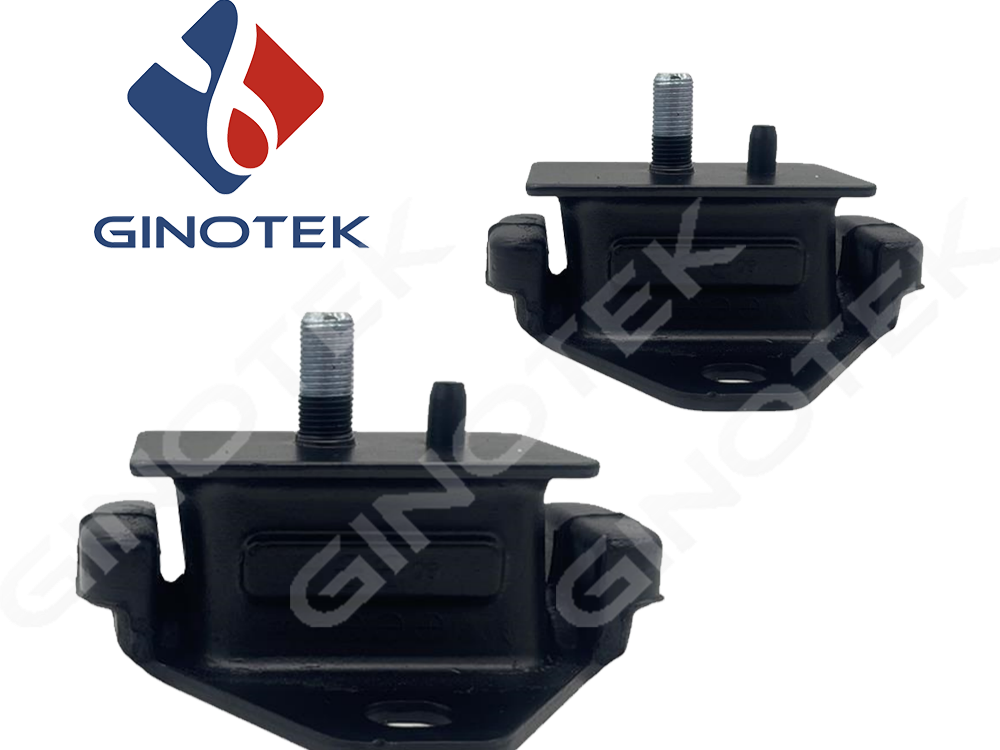
How to Repair Engine Mount: The Ultimate Essential Guide to Critical FWD vs RWD Layout Differences B041
Understanding how to repair engine mount components requires a deep dive into vehicle layouts. This guide explores the mechanical differences between FWD and RWD platforms, offering expert tips on accessibility, torque stress, and choosing high-quality Ginotek components for a vibration-free ride.
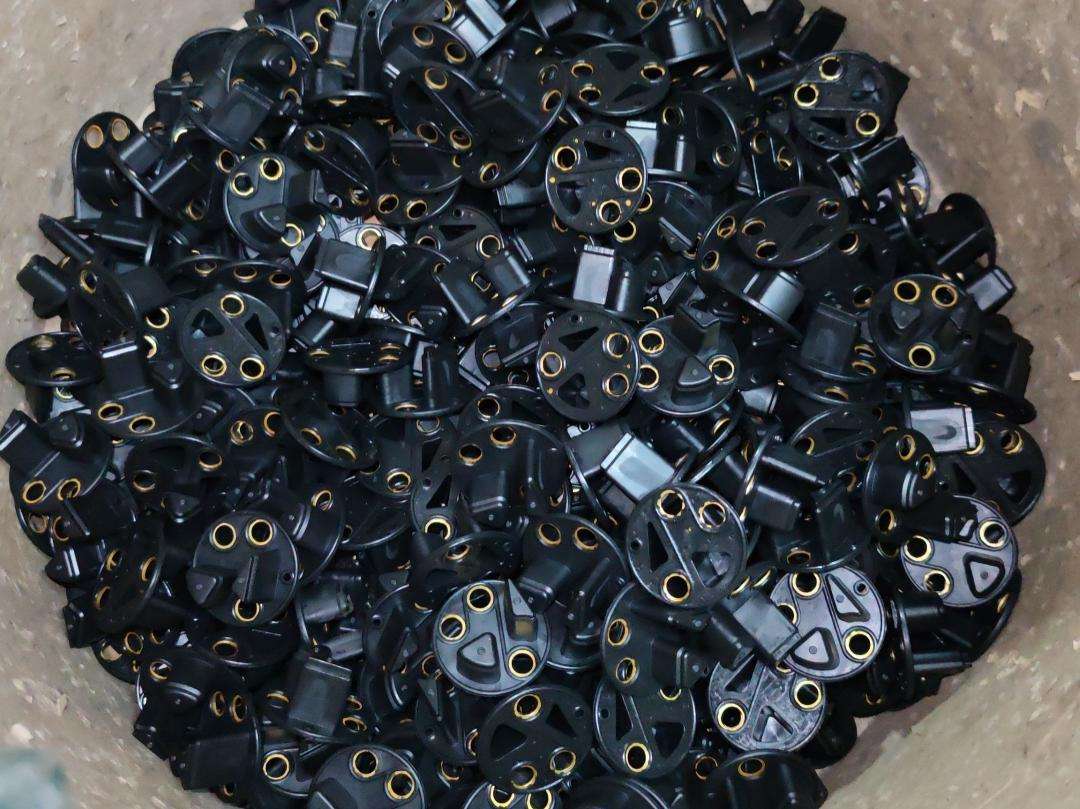
Examples for Vibration: Real Industrial Cases, Root Causes, and Proven Solutions B039
This article presents practical Examples for Vibration in industrial equipment, explaining root causes and effective solutions. It helps engineers diagnose vibration issues, improve system stability, and select appropriate damping strategies for long-term performance.

Best Material for Vibration Damping: Natural Rubber vs EPDM vs NBR—Which One Should You Choose? B040
This article examines the Best Material for Vibration Damping by comparing natural rubber, EPDM, and NBR. It outlines key performance differences, environmental suitability, and practical selection strategies to help engineers choose the most effective material for specific industrial applications.
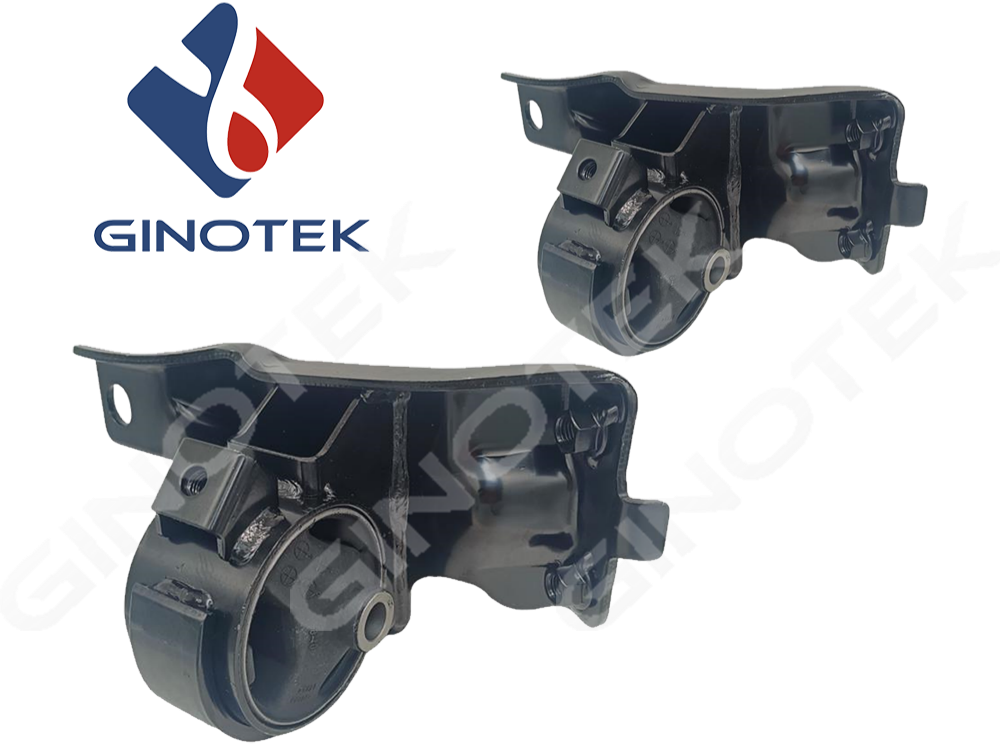
What Is A Rubber Used for in Modern Industrial Machinery and Equipment? The Ultimate Guide B038
Discover the vital roles of rubber in industrial settings. From leak prevention to vibration control, this guide explores
What Is A Rubber Used for, highlighting its essential functions in maintaining machinery longevity, safety, and high-performance output across various sectors.
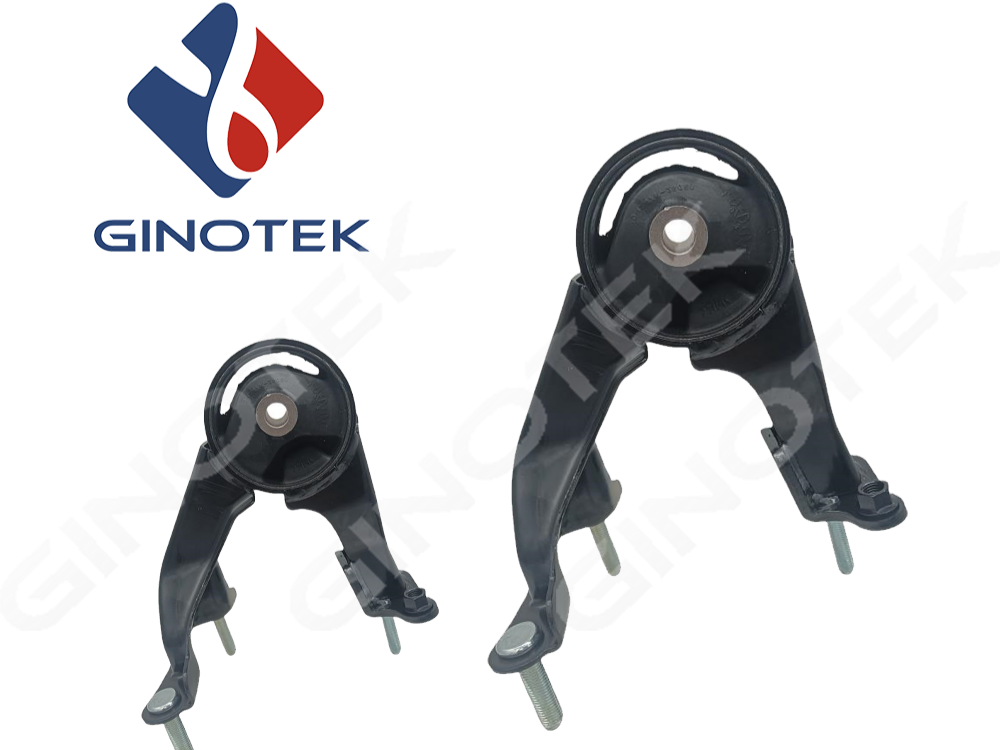
Symptoms of Bad Lower Engine Mount vs. Upper Mount Failure: Key Differences and Dangers B037
Misdiagnosing engine mount issues can be costly. This guide highlights the specific
Symptoms of Bad Lower Engine Mount and upper mount failure, explaining how Ginotek’s high-performance mounts ensure vehicle safety and long-term durability.
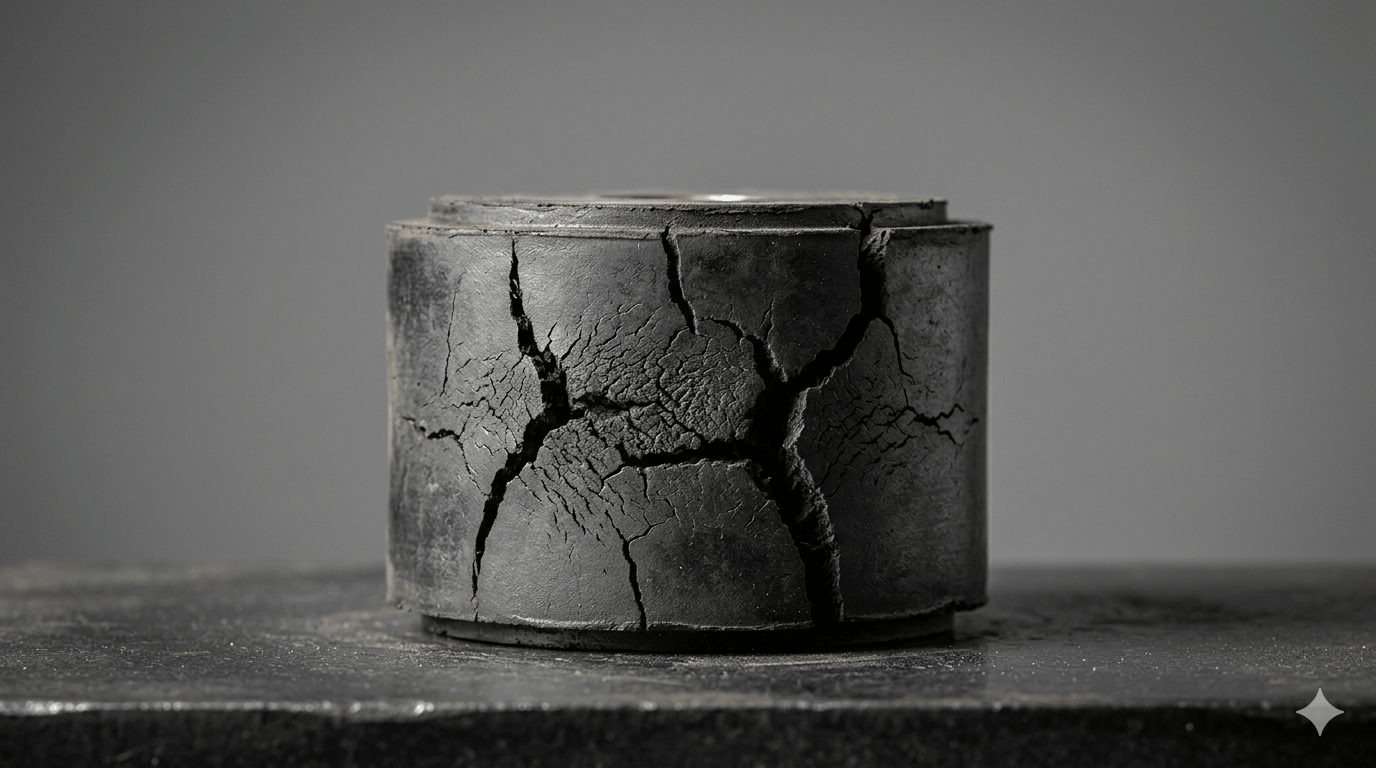
Industrial Buffers: Why They Crack Under Repeated Impact and How to Prevent Failure B036
Industrial Buffers leads to costly downtime. This guide explores the mechanical causes of impact failure—from material fatigue to poor bonding—and how Ginotek’s engineered solutions ensure long-term reliability for heavy industry applications.

Vibration Mounting Bonding Science: How Ginotek Prevents Separation Under Dynamic Loads B033
The integrity of a vibration mount depends entirely on the bond between the elastomer and the metal substrate. This article examines why bonding failure occurs in high-stress environments and details Ginotek’s advanced multi-stage bonding process—from chemical surface preparation to precision vulcanization—ensuring long-term reliability in industrial, automotive, and elevator applications.
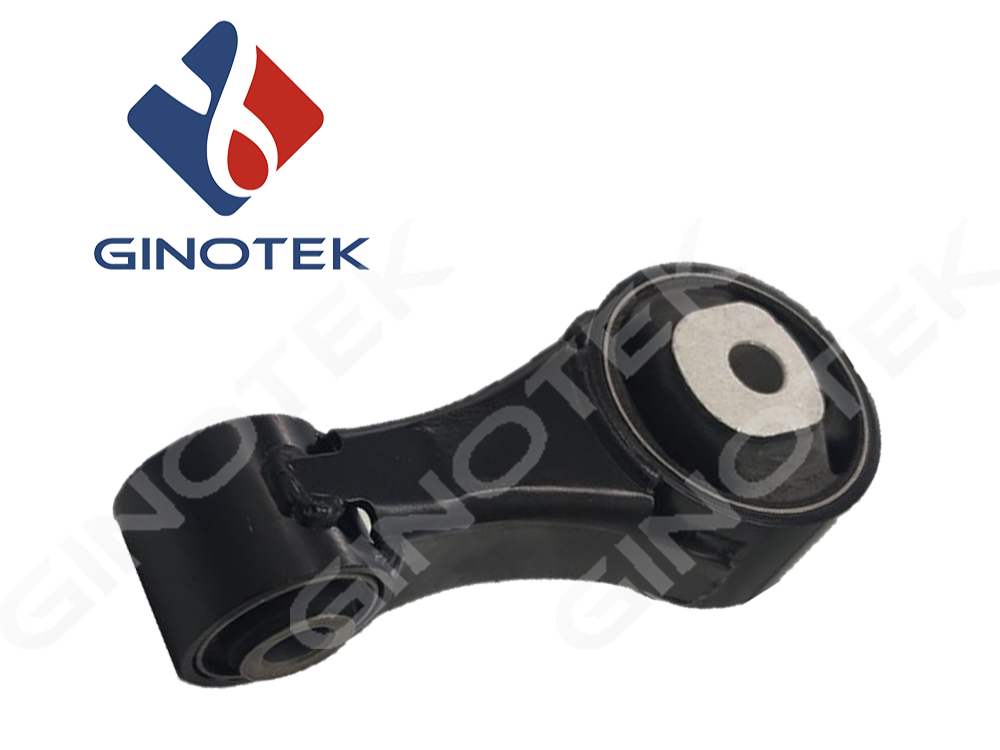
Collapsed Engine Mount Solutions: How Ginotek Engineers for High-Stress Applications B032
Standard engine mounts often fail under extreme thermal and mechanical loads. This article examines causes like overload and heat degradation, and how Ginotek’s custom engineering improves durability, reduces downtime, and protects drivetrain components.
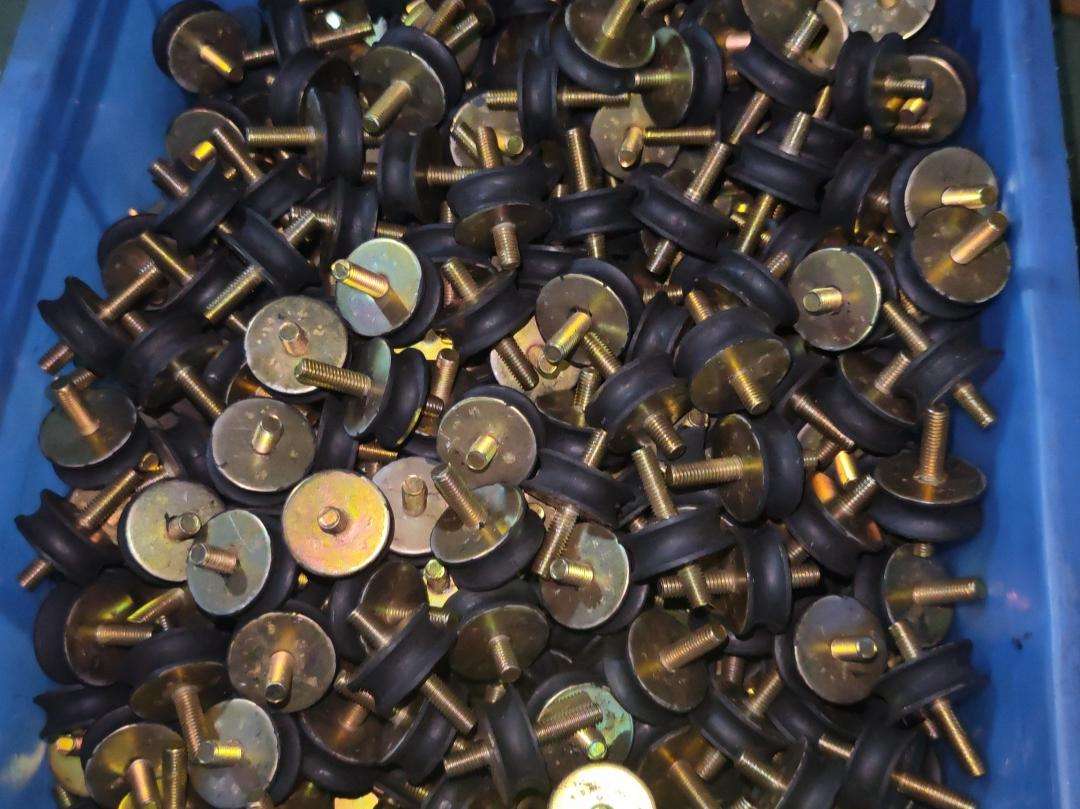
Rubber Dampers Comparison: Natural vs. Synthetic for Durability and Cost B029
This blog provides a comprehensive comparison between natural and synthetic Rubber Dampers. We analyze their physical properties, environmental resistance, and long-term financial impact to help engineers and procurement specialists make the best choice for vibration control and industrial machinery protection.
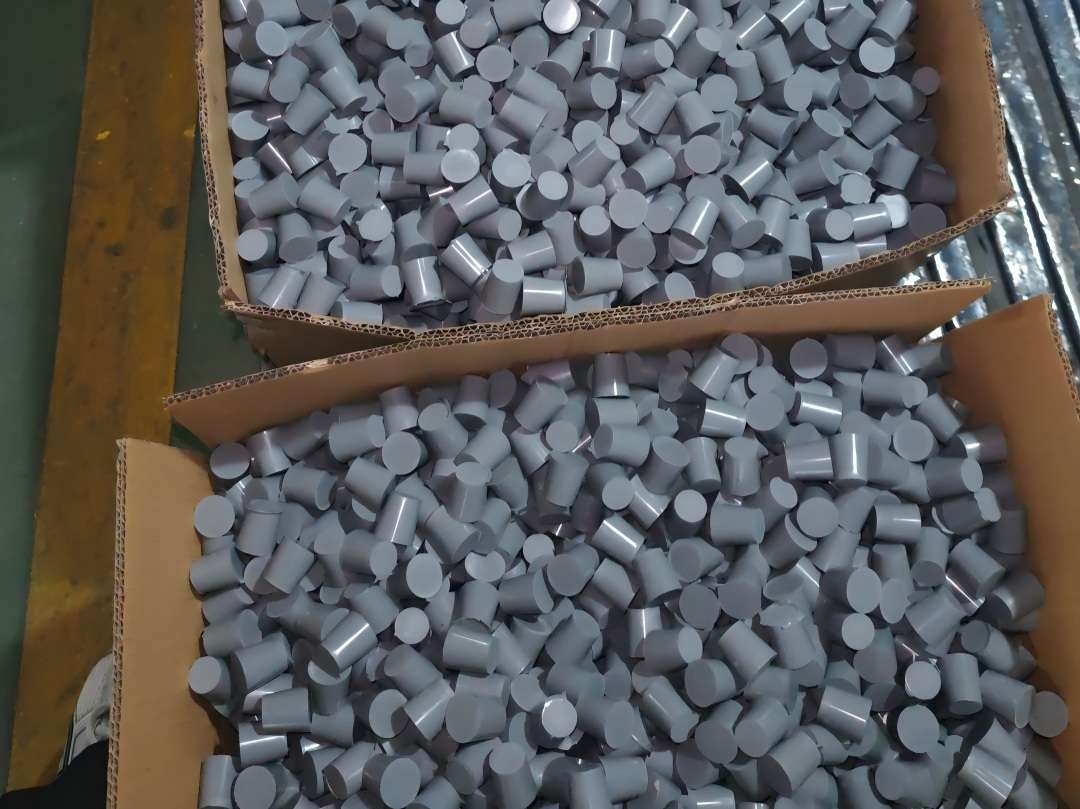
Rubber Shore Hardness Scales (A, D, OO): The Ultimate Guide to What They Really Mean for Your Industry—A Game-Changing Insight B025
This comprehensive technical guide explains the concept of Rubber Shore Hardness, detailing the various durometer scales (A, D, OO) used to measure elastomer flexibility.
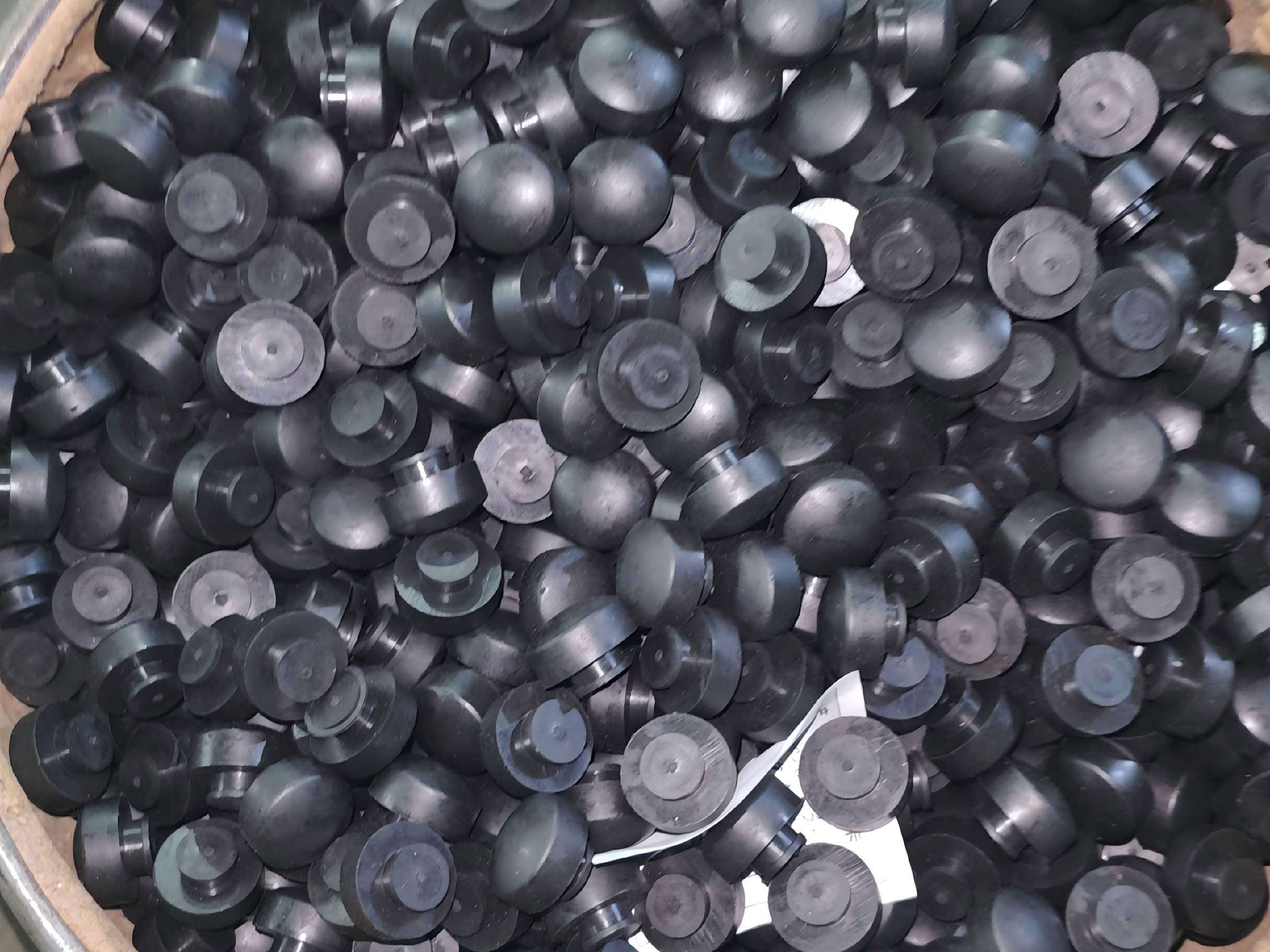
Compression Molding Materials: The Proven Ultimate Guide for Rubber Industry Beginners B024
This comprehensive guide compares traditional rubber mounts with high-tech hydraulic versions, explaining why precision-engineered rubber is frequently the superior choice for long-term reliability and cost-effective repair.

Uncured Rubber: The Ultimate Guide to Its Fascinating Physical and Chemical Properties B021
Explore the fundamental physical and chemical properties of uncured rubber. This guide provides an essential deep dive into molecular structures, tackiness, and the chemical transformations critical for successful industrial vulcanization.
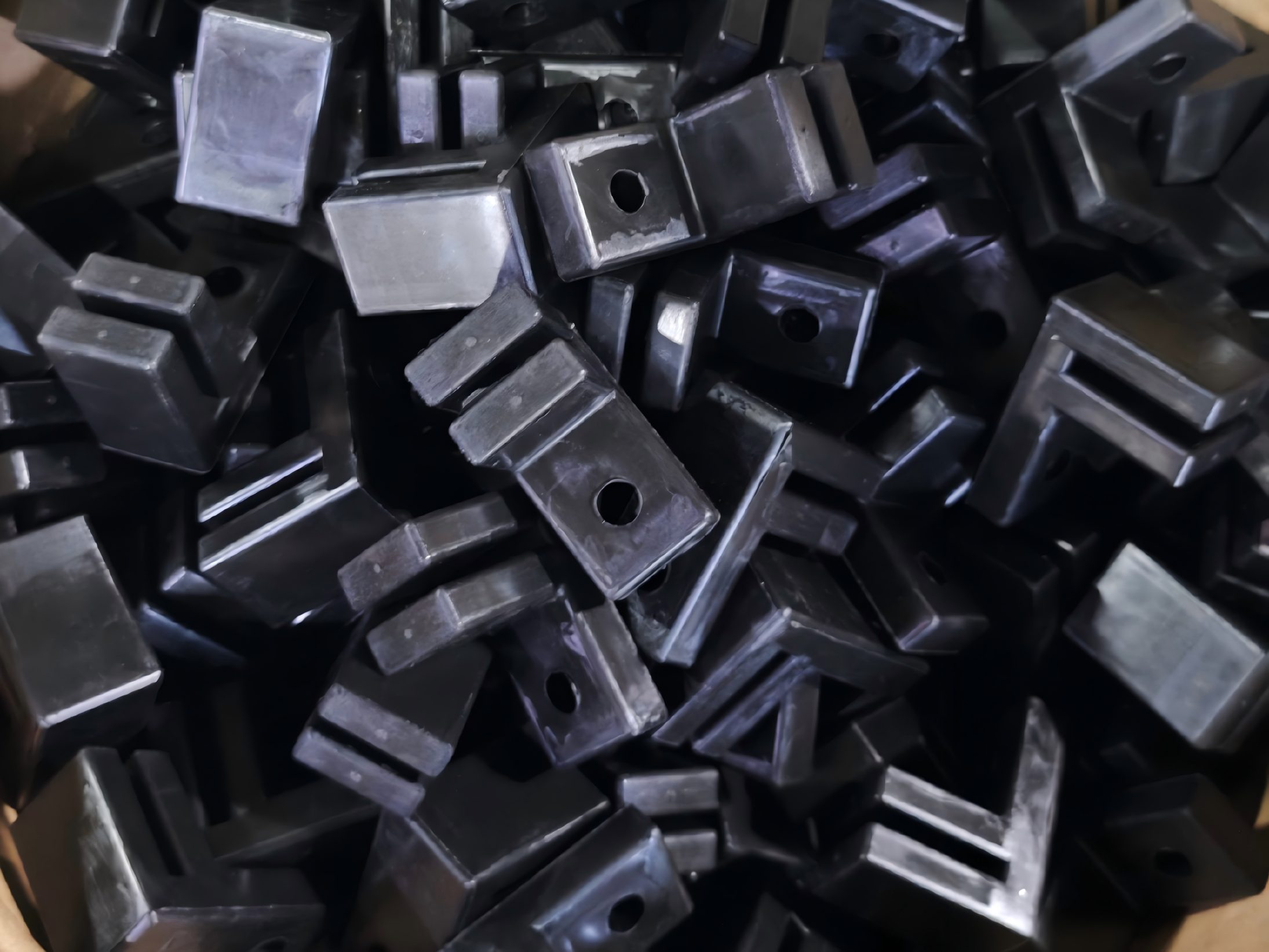
Can Bad Mounts Cause Vibration? 4 Key Causes and Practical Fixes Explained B012
Master proven strategies for diagnosing and eliminating installation-induced vibrations. This comprehensive Q&A guide offers essential insights into identifying root causes and implementing effective solutions for smoother equipment operation.
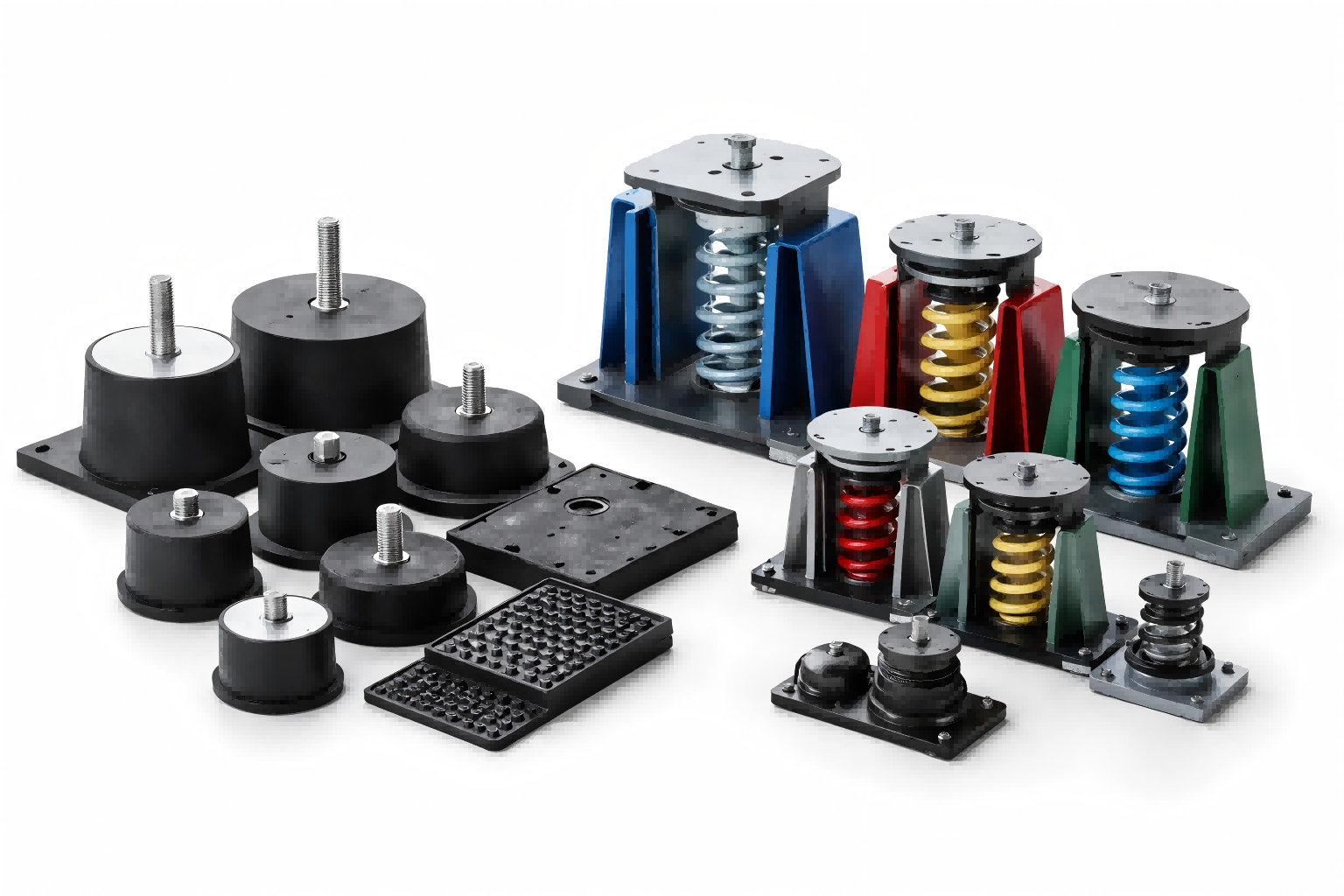
Rubber vs Spring Vibration Isolators: Key Differences, Applications, and Selection Guide for Superior Performance B006
Discover the critical differences between Rubber and Spring Vibration Isolators. This essential guide compares working principles and performance to help you select proven solutions for superior industrial stability.
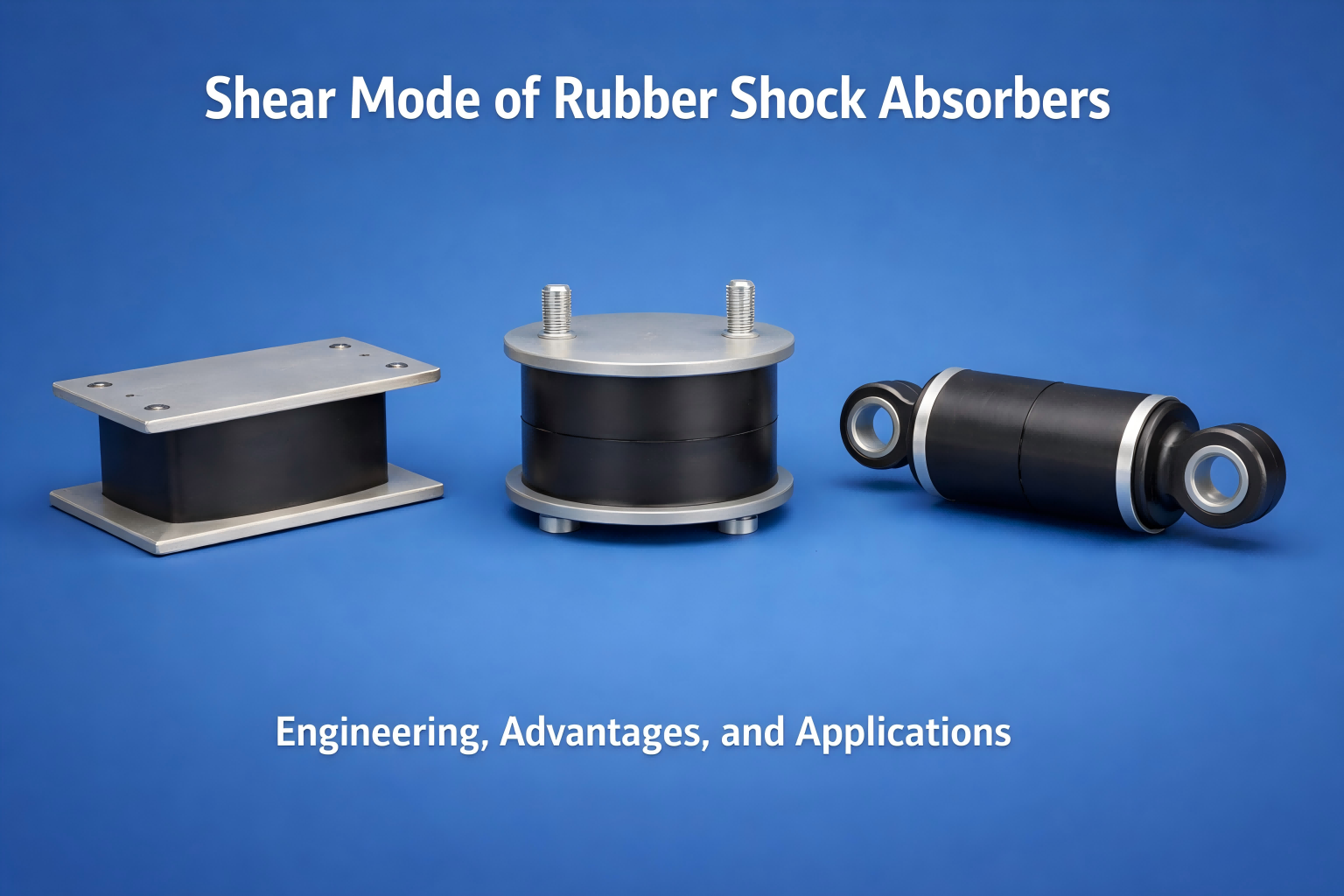
Shear Mode of Rubber Shock Absorbers: Engineering Principles, Advantages, and Industrial Applications B001
A comprehensive guide to the shear mode of rubber shock absorbers—explaining how shear deformation improves vibration isolation, energy dissipation, and durability across modern mechanical and industrial systems.