knowledge, Products & Services

Examples for Vibration: Real Industrial Cases, Root Causes, and Proven Solutions B039
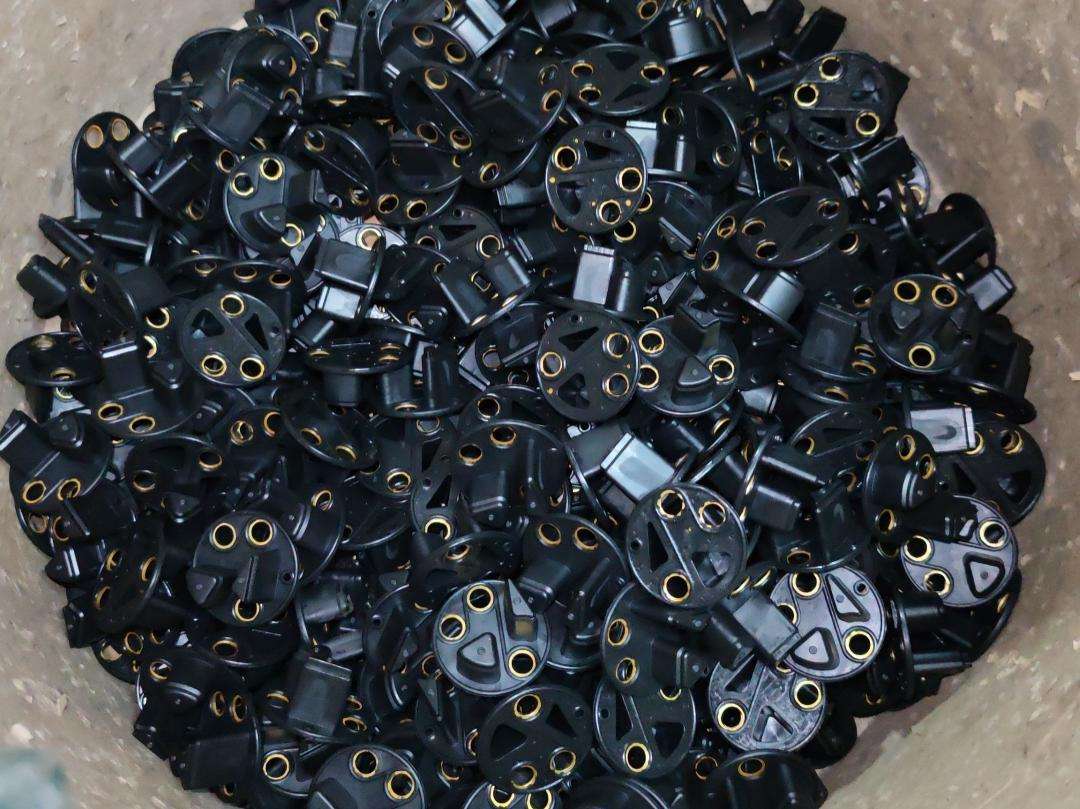
Examples for Vibration

Understanding real Examples for Vibration is essential for diagnosing mechanical issues and improving equipment reliability. This guide explores real-world industrial cases, identifies root causes, and provides actionable engineering solutions.

Why Real Examples for Vibration Matter in Engineering

In industrial environments, vibration is not just a minor inconvenience—it is often a warning sign of deeper mechanical issues. Studying real Examples for Vibration helps engineers identify failure patterns, improve system design, and implement effective vibration control solutions.

Rather than relying solely on theory, real-world cases provide actionable insights into how vibration develops, propagates, and impacts equipment performance.

Examples for Vibration, Example 1: Imbalance-Induced Vibration in Rotating Machinery

Mechanical imbalance is a primary catalyst for destructive vibration in high-speed rotating equipment, including industrial motors, hydraulic pumps, and elevator traction systems. Examples for Vibration.  When the mass distribution of a rotating component is non-concentric, it generates periodic centrifugal forces. These forces manifest as synchronous vibration and acoustic noise, significantly accelerating bearing fatigue and compromising structural integrity.

Root Causes & Technical Drivers:

  • Non-Uniform Mass Distribution: Inherent asymmetries in the rotor or impeller assembly.
  • Geometric Tolerances: Deviations during the casting or machining stages that shift the center of gravity.
  • Operational Erosion: Progressive material loss or debris accumulation that disrupts the original balance state.

Engineered Mitigation Strategy:

To ensure operational stability, a multi-tiered approach is required. While dynamic balancing and rigorous inspection protocols are essential for minimizing the vibration source, the critical second step is structural isolation.

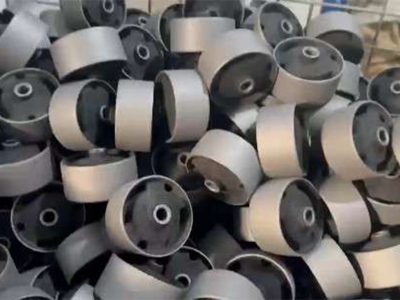
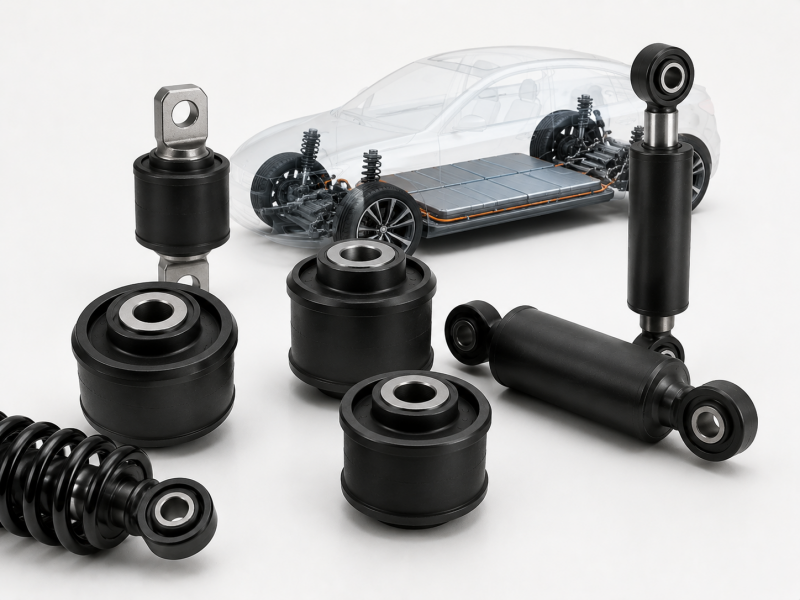
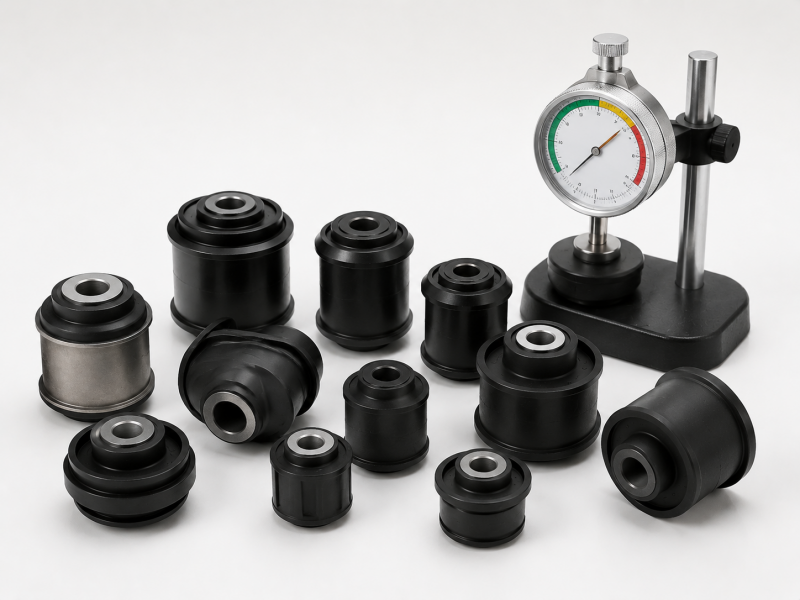
Ginotek provides high-performance, custom-engineered anti-vibration mounts that decouple equipment from its foundation. By utilizing proprietary elastomer formulations and precision-molded geometries, these isolators effectively attenuate resonance and prevent energy transmission. As this case demonstrates, even marginal imbalances—if not properly isolated—can escalate into catastrophic system failure and unplanned downtime.

Examples for Vibration, Example 2: Misalignment-Induced Vibration in Coupled Systems

Shaft misalignment is a frequent driver of parasitic vibration in coupled drivetrain assemblies, such as motor-pump configurations, gensets, and industrial transmission lines. Examples for Vibration. When the rotational axes of two coupled shafts are not perfectly collinear, it triggers non-uniform torque transmission and cyclical loading. This misalignment manifests as high-amplitude vibration, elevated acoustic noise, and premature degradation of critical components, specifically mechanical seals and roller bearings.

Root Causes & Technical Drivers:

  • Installation Error: Inadequate precision during the initial mounting and commissioning phase.
  • Thermal Expansion: Differential heat growth in the motor or driven equipment during high-load operation, shifting the shaft centerline.
  • Structural Subsidence: Long-term settlement of the foundation or baseplate that introduces angular or parallel displacement.

Engineered Mitigation Strategy:

Addressing misalignment requires a combination of geometric correction and mechanical damping. While precision laser alignment and the integration of flexible couplings are standard procedures to minimize the source of the stress, they cannot always eliminate residual energy under variable thermal conditions.

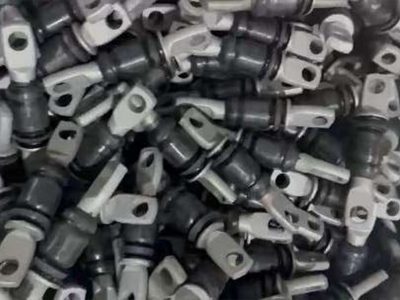
Ginotek custom-engineered rubber vibration dampers and isolators serve as the final, critical line of defense. By leveraging advanced material science and application-specific structural designs, Ginotek components effectively decouple the vibration path. Examples for Vibration.  These elastomers absorb the high-frequency energy caused by unavoidable micro-misalignments, preventing structural resonance. As this case illustrates, proactive damping not only stabilizes the system but also serves as a safeguard against the cumulative fatigue that leads to catastrophic equipment failure.

Examples for Vibration, Example 3: Thermal Degradation and Vibration in High-Temperature Environments

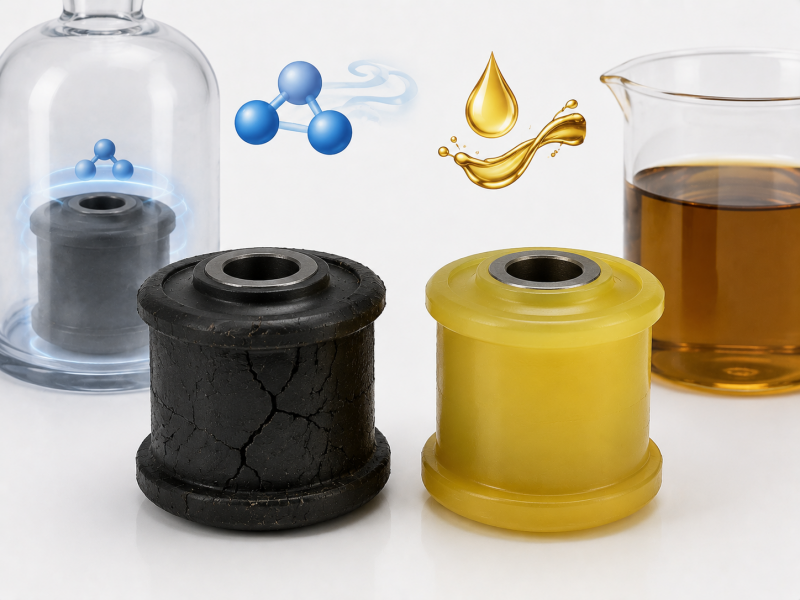
In high-thermal industrial environments—such as internal combustion engine compartments and heavy-duty processing machinery—vibration management is frequently compromised by material thermolysis. Examples for Vibration. Elevated operating temperatures act as a catalyst for the degradation of an elastomer’s molecular structure, significantly impairing the mechanical properties of conventional damping components and leading to a progressive loss of isolation efficiency.

Root Causes & Technical Drivers:

  • Thermal-Oxidative Degradation: Standard rubber compounds undergo polymer chain scission or uncontrolled cross-linking when exposed to sustained heat, resulting in hardening or permanent deformation.
  • Loss of Viscoelasticity: High temperatures alter the material’s loss factor, reducing its ability to convert kinetic energy into heat and causing the system to drift toward resonance.
  • Accelerated Aging: Continuous thermal exposure facilitates oxidative reactions, leading to surface cracking and a total loss of structural load-bearing capacity.

Engineered Mitigation Strategy:

Effective vibration control in extreme thermal zones requires a shift from general-purpose elastomers to high-performance, heat-stable formulations.

Ginotek specializes in the engineering of heat-resistant EPDM and proprietary high-temperature rubber compounds designed to maintain a consistent static-to-dynamic stiffness ratio under extreme conditions. By integrating advanced antioxidants and heat stabilizers, Ginotek’s damping components preserve their elastic memory and energy-absorption characteristics even during prolonged exposure.

Furthermore, our design process incorporates thermal expansion compensation, ensuring that the isolators accommodate the dimensional changes of metal housings without inducing additional stress. As this case highlights, selecting a material with the correct thermal profile is the only way to prevent the “soft failure” of damping systems and ensure the long-term protection of equipment in high-heat sectors.

Core Principles of Vibration Management

Effective vibration control requires a strategic, holistic approach:

  • Address Root Causes: Vibration is a symptom of issues like imbalance or misalignment; solutions must target the source and the path.
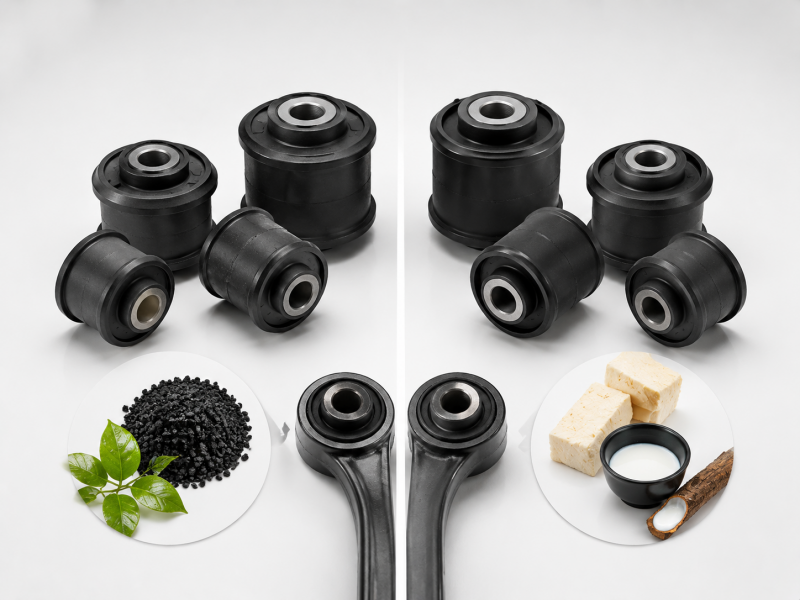
  • Material Precision: Isolator performance hinges on the elastomer’s profile. Select NBR for oil resistance or EPDM for thermal stability to match environmental stressors.
  • Installation Accuracy: Precision alignment and mounting are vital to prevent parasitic loads and resonance.
  • Environmental Durability: Designs must resist UV, heat, and chemicals to avoid premature aging.

Integrating these factors maximizes system reliability and extends industrial asset lifecycles.

Conclusion: From Examples to Engineering Solutions

Real-world vibration cases offer critical insights for optimizing the performance and reliability of industrial machinery. By accurately identifying root causes and implementing targeted control solutions, engineers can effectively reduce equipment downtime, prolong service life, and enhance overall operational stability.

Ginotek, as a professional provider of custom vibration-damping solutions, combines in-depth material R&D, application-specific structural design, and industry-proven rubber components to translate practical vibration issues into reliable engineering remedies. Ultimately, effective vibration control does not mean complete elimination, but intelligent management through precise design, high-performance material selection, and scientific maintenance strategies. Examples for Vibration.

Keep in touch with us!

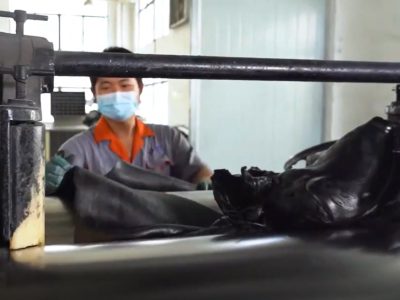
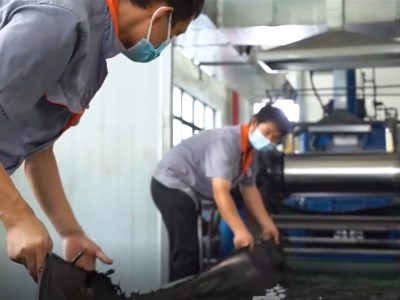
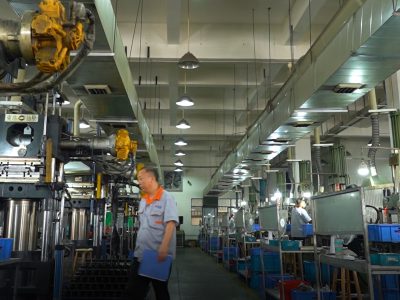
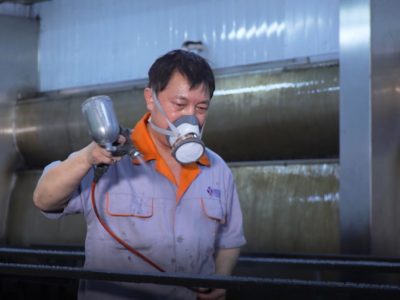
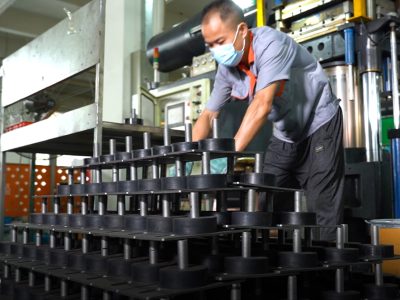
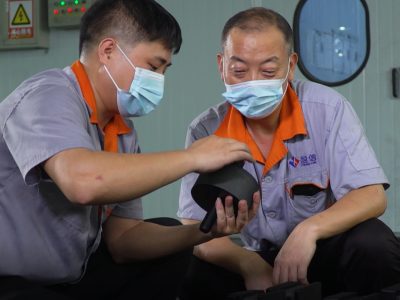
Rubber Production Workshop