
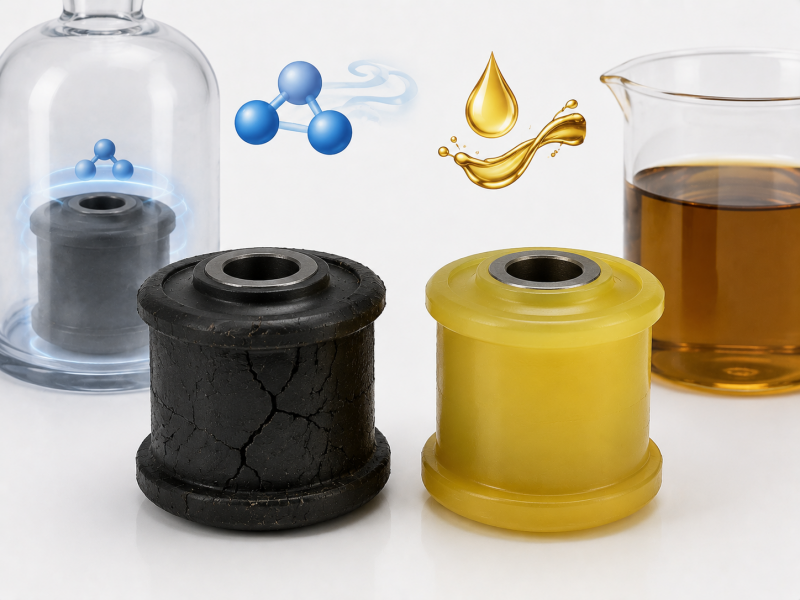
Reliable Rubber Bushings vs Polyurethane: Which Lasts Longer Under Ozone and Oil Exposure? B117
Related Posts
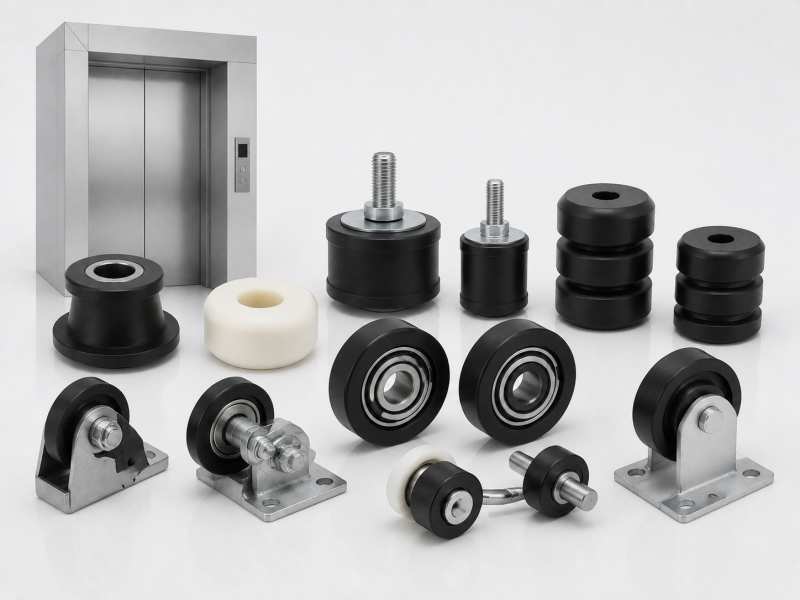
Elevator Parts Suppliers: Reliable Sourcing Budget-Friendly Rubber Buffers and Rollers B122
Elevator Parts Suppliers: Rubber buffers, guide rollers, and rubber door seals are the three most frequently replaced wear-and-tear com...
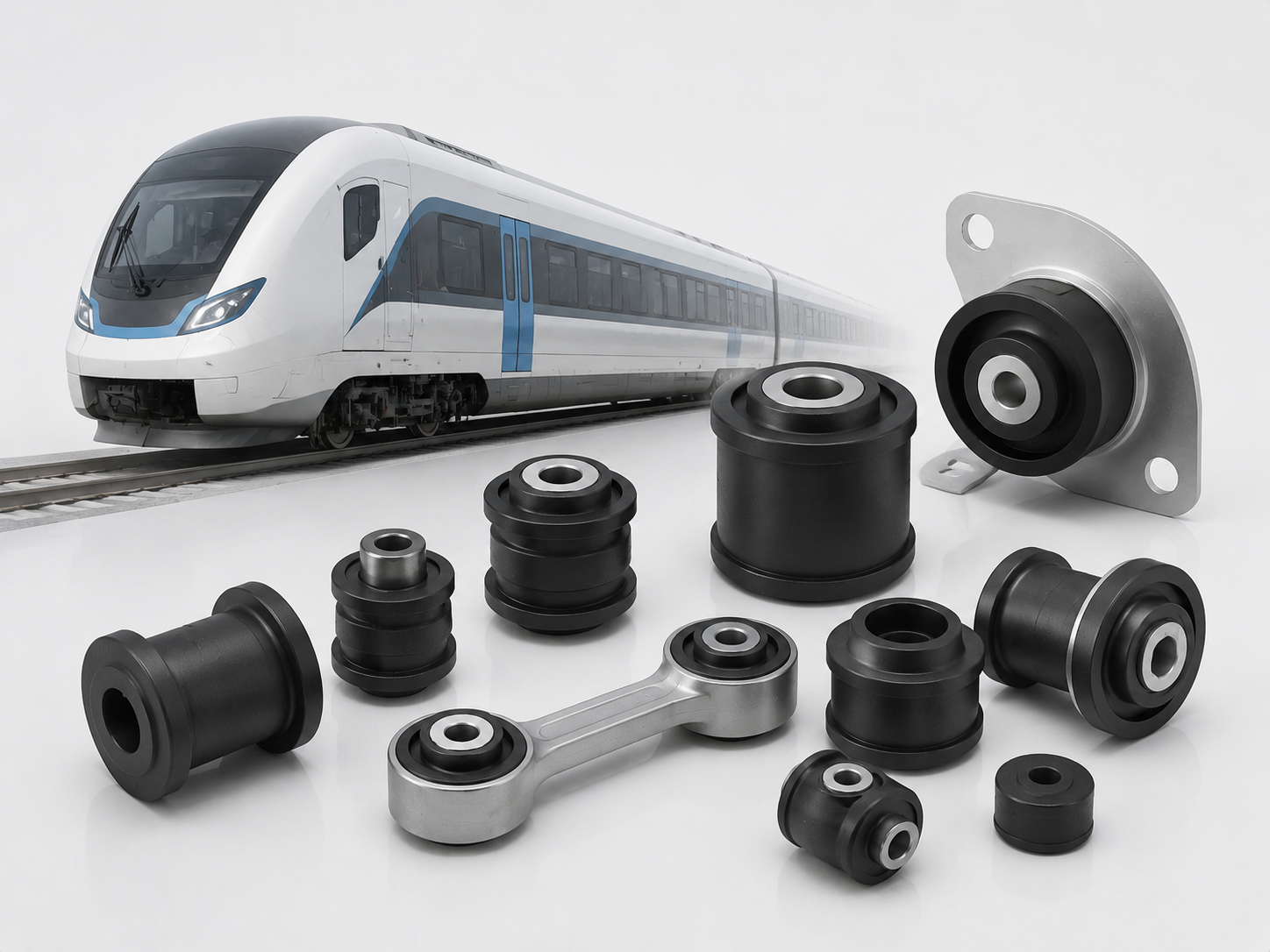
Rubber Bushing Types: Critical Optimizing High-Damping Solutions for Rail Transit Systems B121
Rubber Bushing Types: Wheel-rail friction, impacts during sharp bends, and frequent acceleration generate severe multi-frequency vibrat...
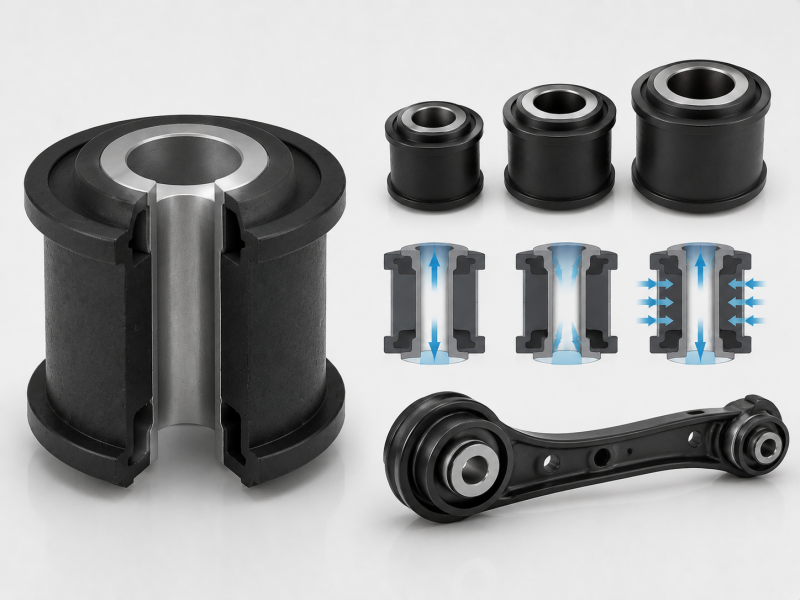
Rubber Bushing with Hole: How Inner Diameter Optimizes Load and Powerful Shock-Absorbing B120
This mechanical guide analyzes how inner diameter dimensions affect performance, helping procurement teams select the optimal central hole specifications for automotive and industrial equipment.
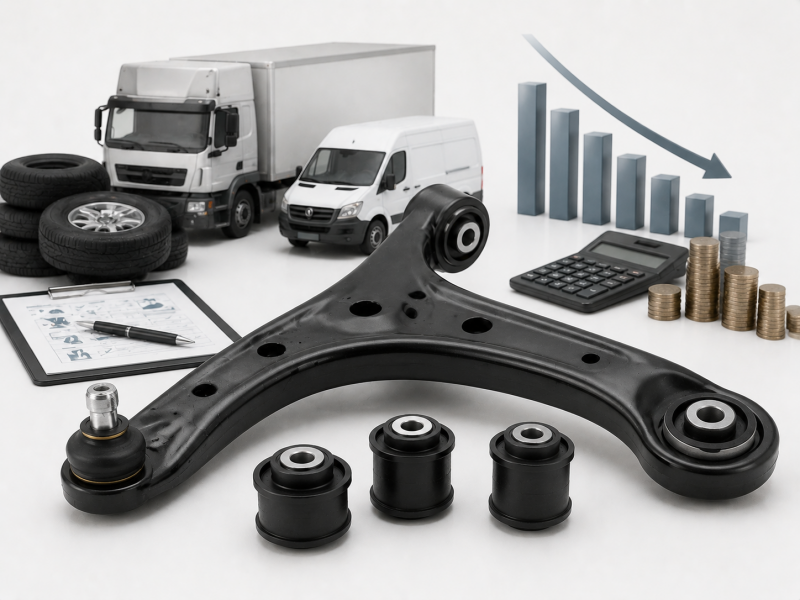
Control Arm with Rubber Bushing Reliable Sourcing: The Hidden Cost Drivers B119
This comprehensive guide exposes the hidden operational expenses triggered by neglected suspension components, showing how a high-quality control arm assembly protects commercial fleets from severe financial bleed.
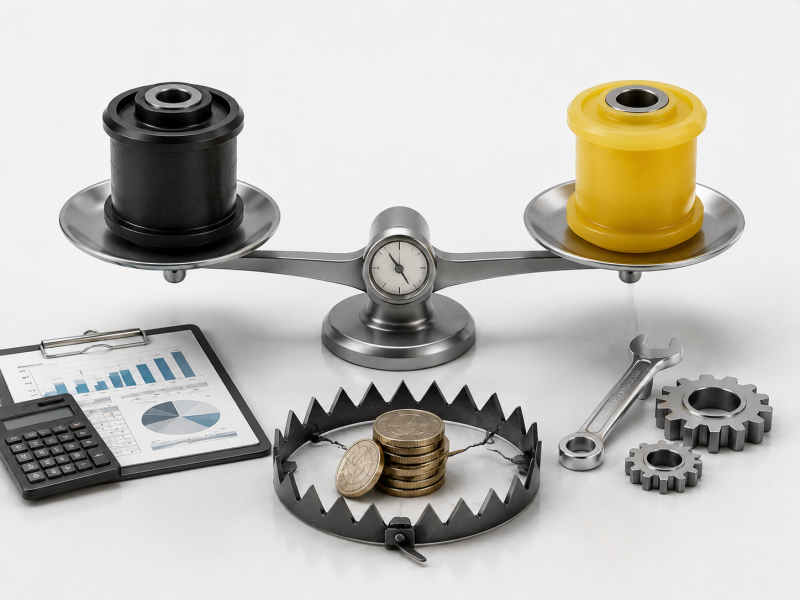
Polyurethane Control Arm Bushings vs Rubber: The Hidden TCO Trap B118
This guide breaks down the total cost of ownership between cheap PU, OEM rubber, and premium polyurethane bushings, helping procurement teams avoid deceptive upfront unit-price traps.
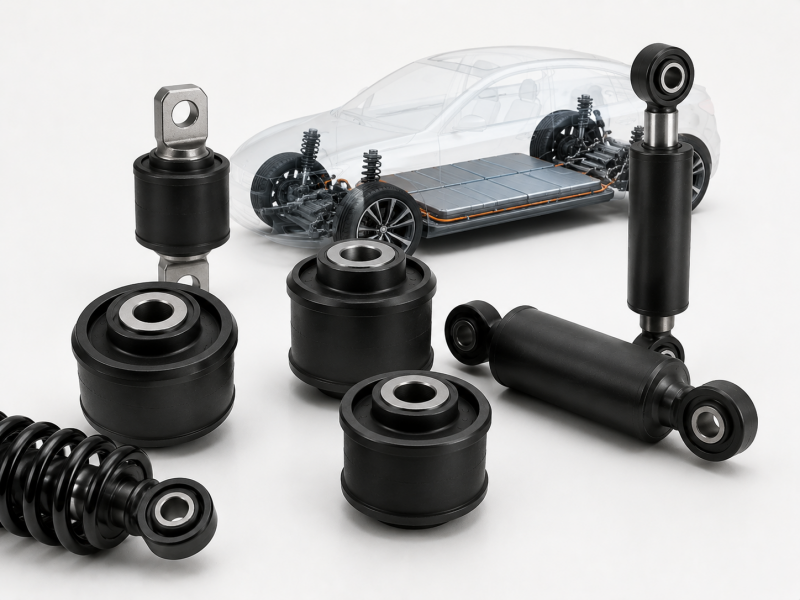
Rubber Bushing for Shocks: Reliable Engineering Durability for Electric Vehicles B116
Upgrading to a specialized rubber bushing for shocks is essential for electric vehicles to handle increased battery weight, high-frequency motor vibrations, and instant torque stresses while maintaining cabin quietness.
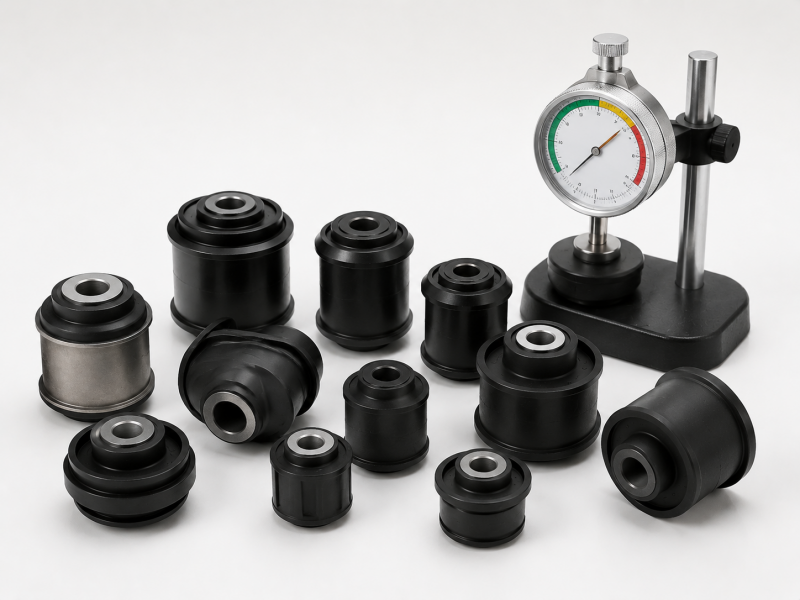
Rubber Bushings for Cars: The Reliable Shore A Hardness Guide for Distributors B115
Selecting the right Shore A hardness for rubber bushings for car ensures driving comfort and steering stability, helping global distributors eliminate product returns and expand wholesale profits.
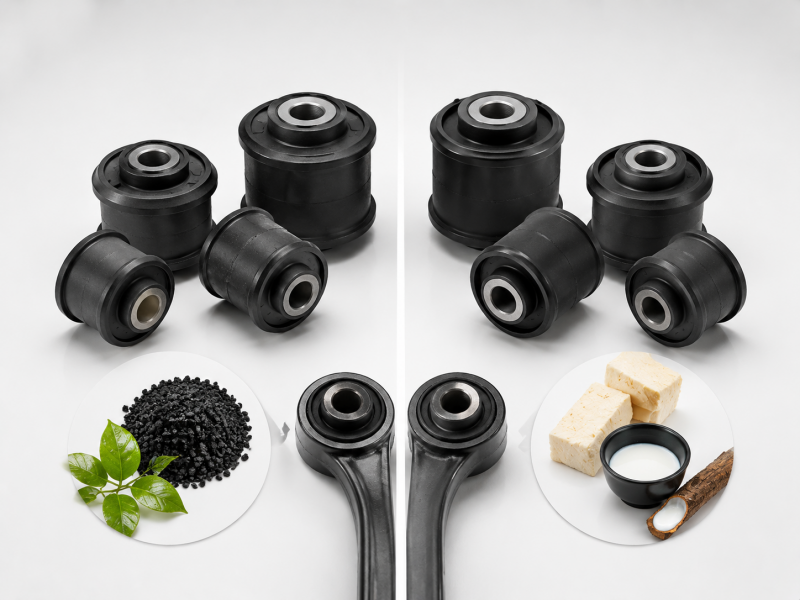
Replacement Rubber Bushings Suspension: EPDM vs. Natural Rubber Guide B114
Choosing the right material for replacement rubber bushings suspension is critical. This guide compares EPDM and Natural Rubber to help global distributors optimize inventory, climate adaptability, and profit margins.
Rubber Bushings Suspension Manufacturing: How to Evaluate a Reliable Partner B113
This strategic guide outlines the four critical criteria for evaluating a reliable rubber bushings suspension manufacturer, demonstrating how Ginotek’s 30-year industrial expertise ensures premium component durability.
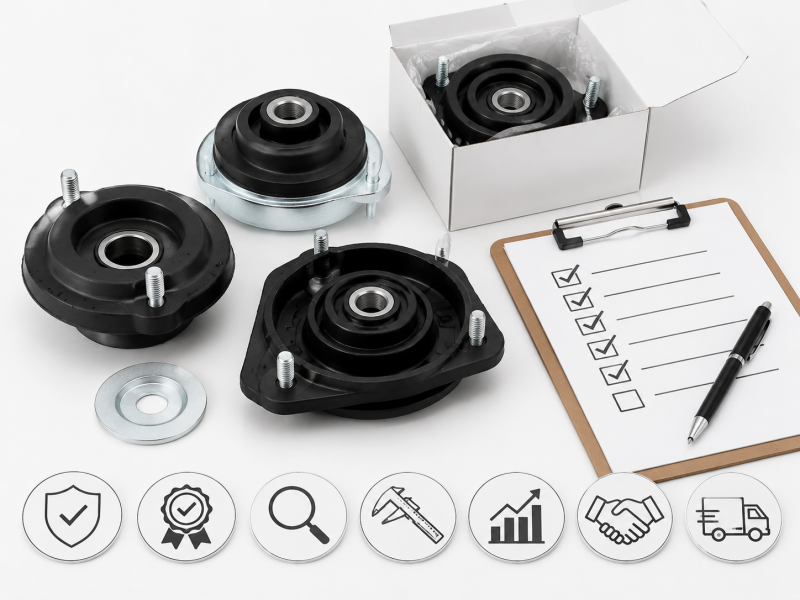
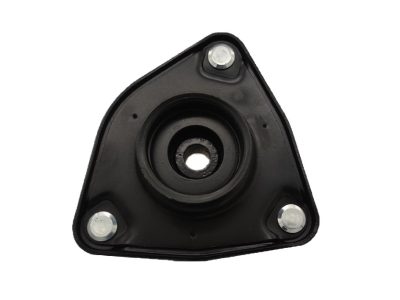
Strut Rubber Mount Procurement: Reliable 7 Key Standards for Auto Parts
This comprehensive guide outlines 7 non-negotiable manufacturing standards for sourcing a reliable strut rubber mount, helping auto parts distributors minimize component failure rates and secure long-term profitability.
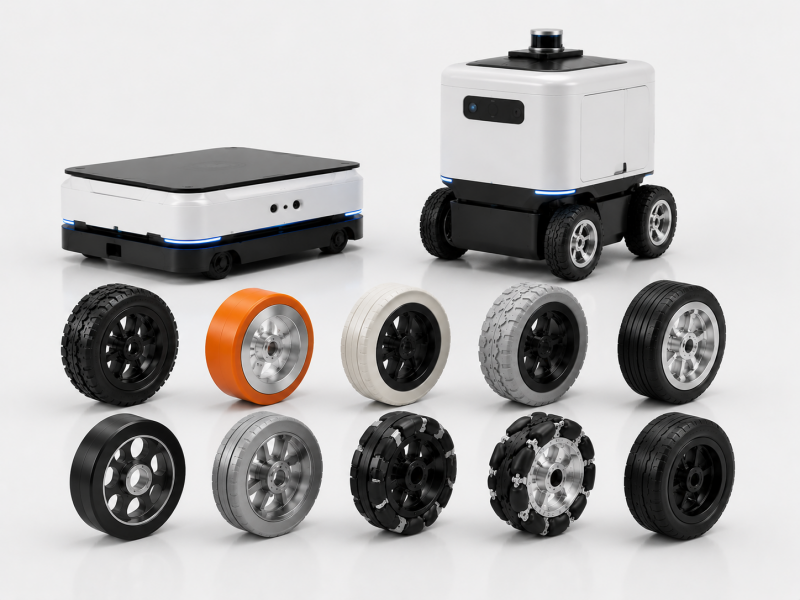
Custom Robot Car Wheel Manufacturer: Reliable Driving with Ginotek B111
This article explores the defining manufacturing trends transforming autonomous mobile platforms and highlights how a specialized custom robot car wheel manufacturer optimizes performance, durability, and cost-efficiency.
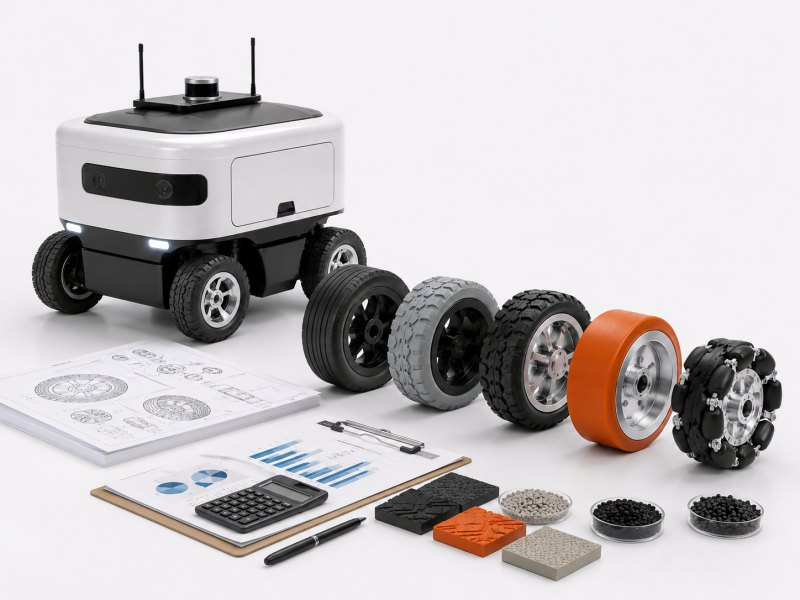
OEM Rubber Wheels for Robot Cars: The Reliable Ultimate Cost Blueprint by Ginotek B110
This article breaks down the cost structure of OEM rubber wheels for robot cars, detailing material, production, and R&D costs across different applications to help manufacturers maximize profitability.