

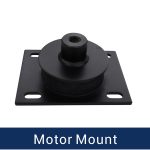
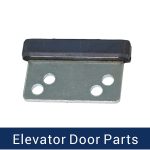
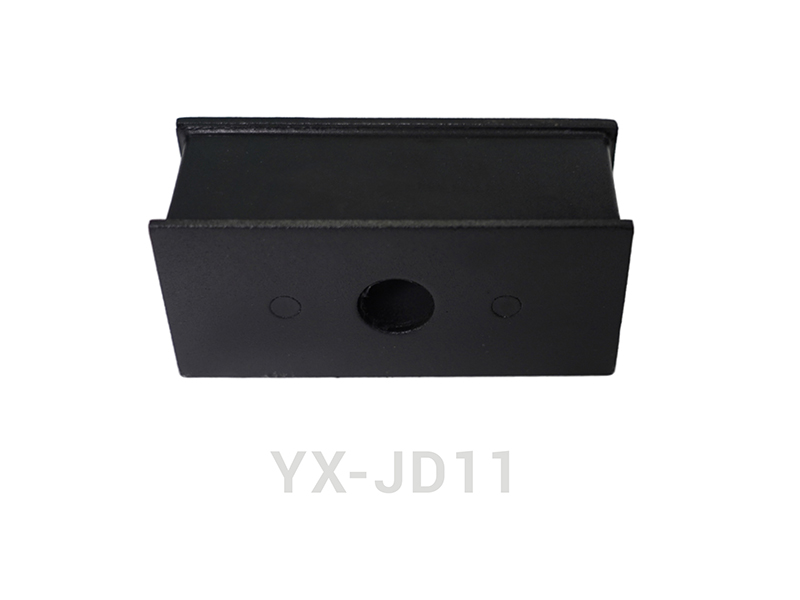
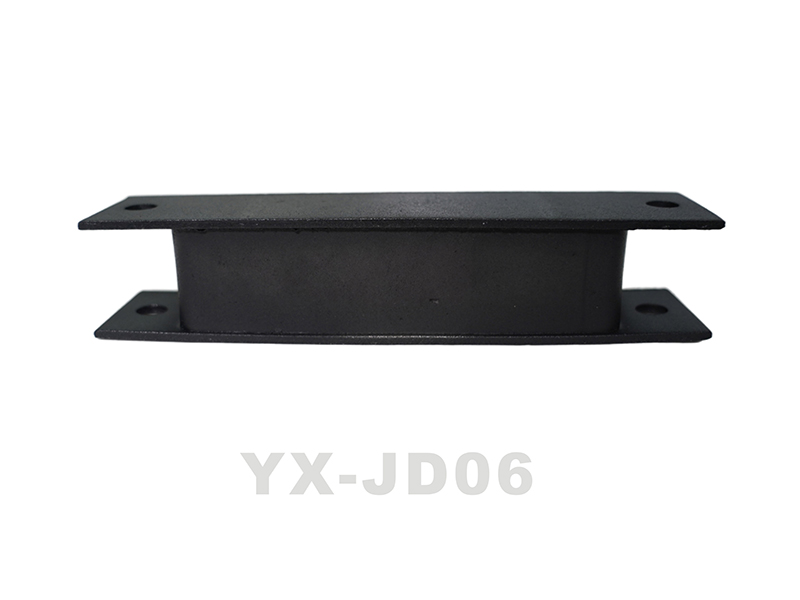
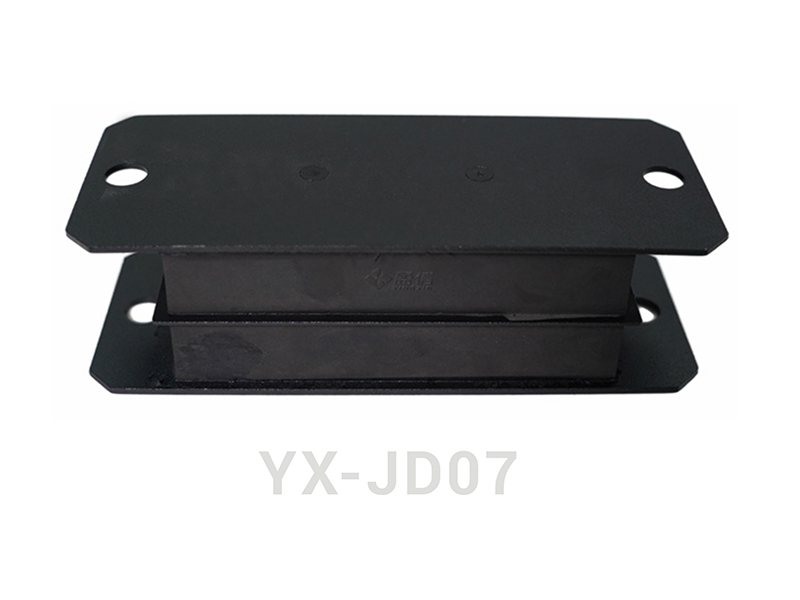
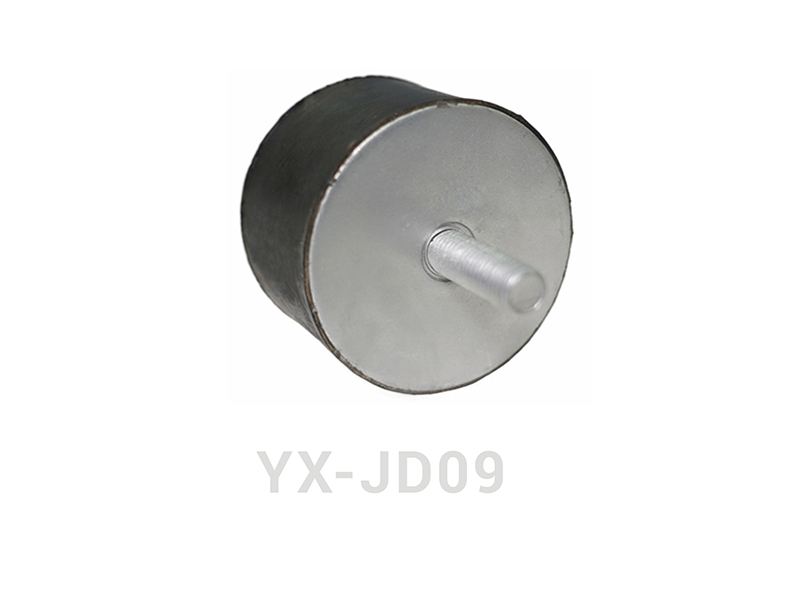
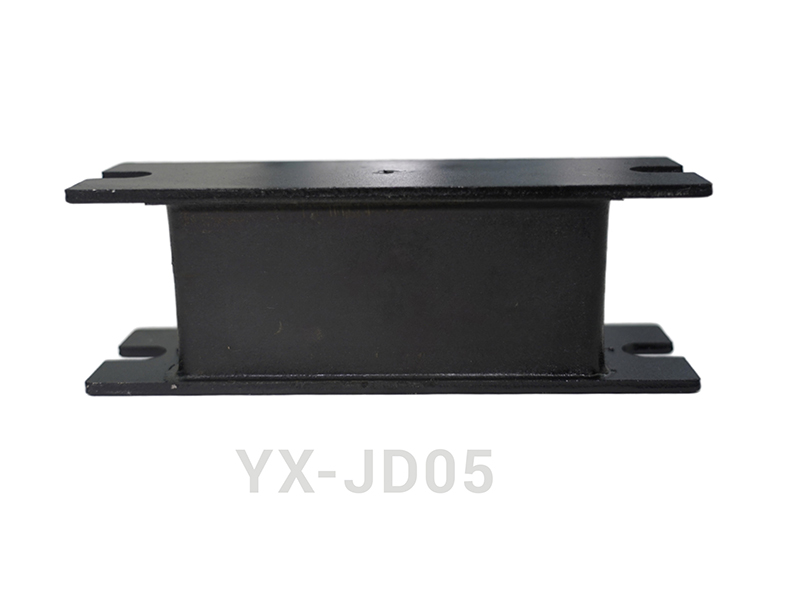
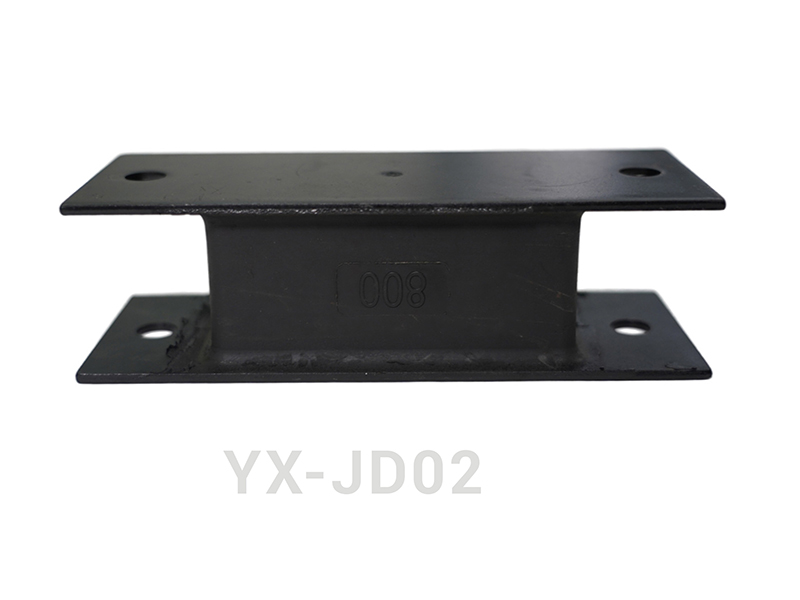
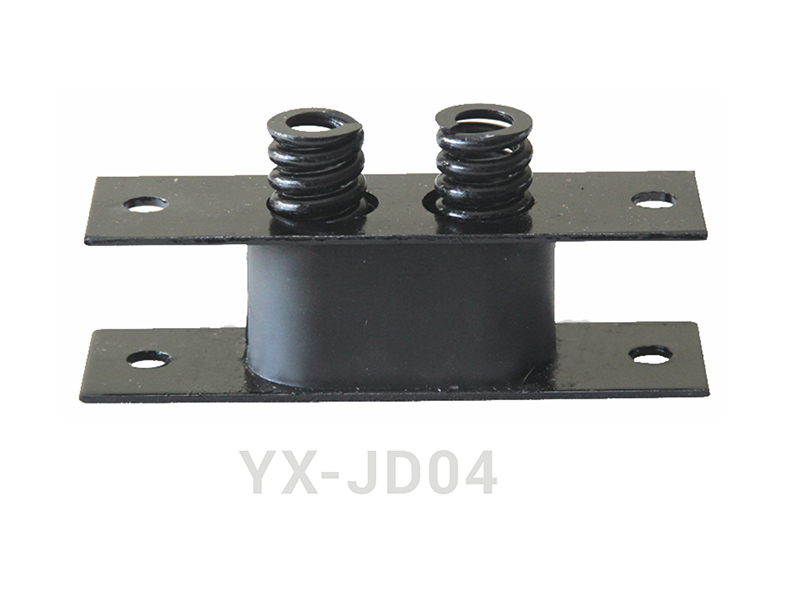
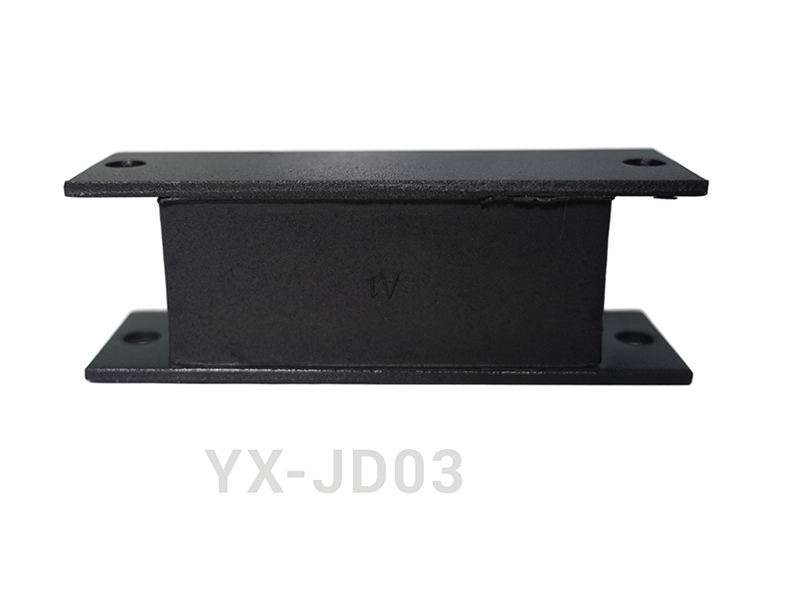
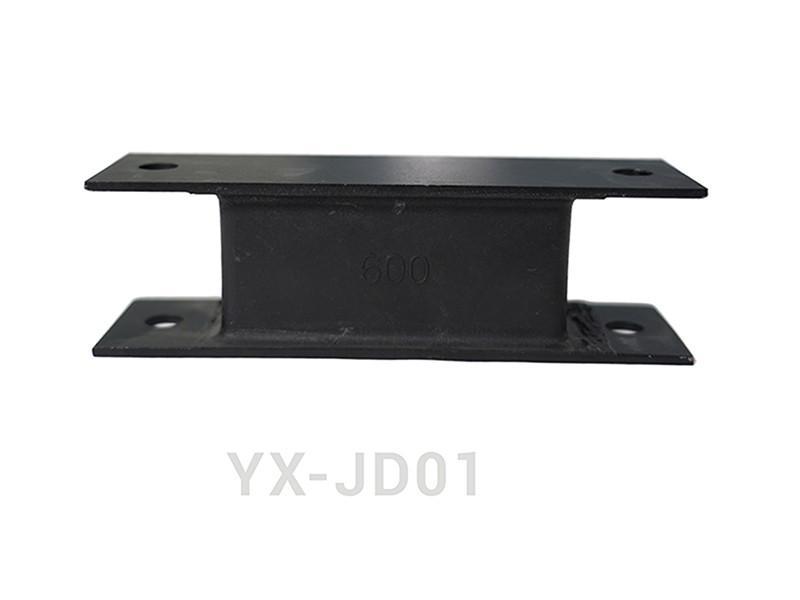
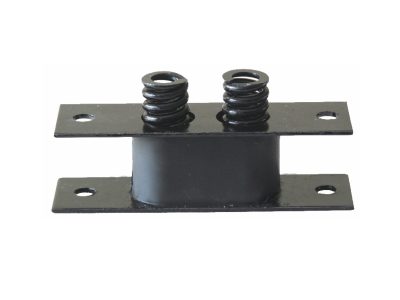
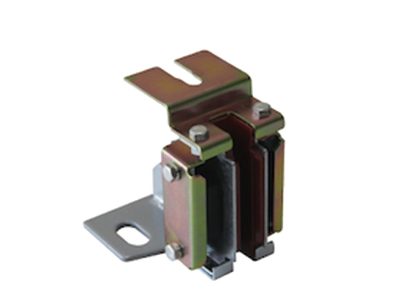
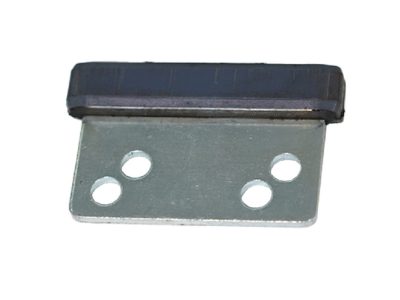
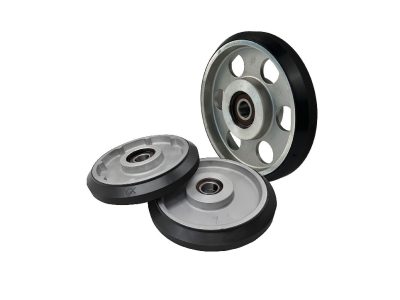
Elevator Cabinet Shock Pad F006
Primary Functions of Elevator Cabinet Shock Pad
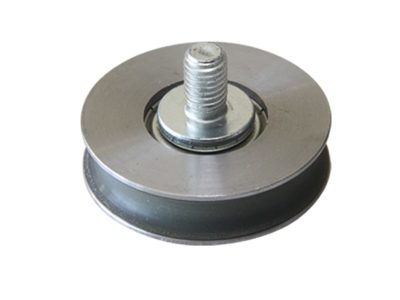
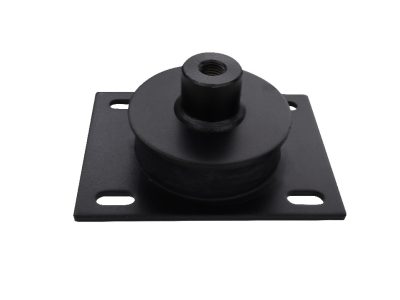
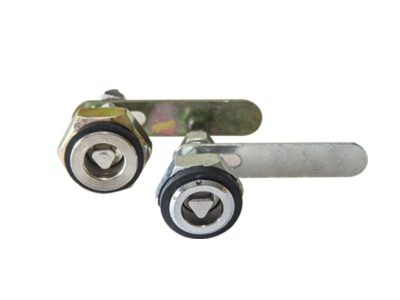
- Impact Absorption
- Mitigates sudden shocks during cabin movement (e.g., acceleration/braking) by compressing and rebounding to absorb kinetic energy.
- Noise Reduction
- Dampens structural-borne noise (e.g., metal-on-metal contact) by up to 15 dB, ensuring quieter operation.
- Vibration Isolation
- Blocks transmission of low-frequency vibrations from motors and guide rails to the cabin structure.
- Component Protection
- Reduces mechanical stress on suspension systems and rails, extending equipment lifespan.
Note: Top and bottom installation ensures comprehensive shock absorption throughout the cabin’s motion cycle.
Description



Reviews (0)
You must be logged in to post a review.
Shipping & Delivery
Related products
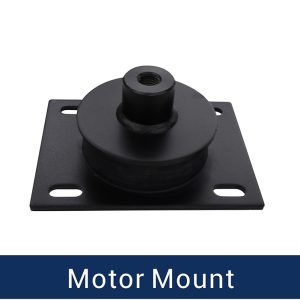
Elevator Motor Mounting F003
Our company specializes in manufacturing high-quality elevator motor mountings. These precision-engineered components are designed to securely and efficiently support elevator motors in various types of elevators. Made from durable materials, our mountings ensure stable motor operation while minimizing vibrations and noise. They feature precise alignment capabilities for optimal performance and easy installation. With strict quality control processes, our products meet international safety standards and have been exported to multiple countries. Whether for passenger elevators or freight elevators, our motor mountings provide reliable support for smooth elevator operation. We offer customizable solutions to meet specific customer requirements
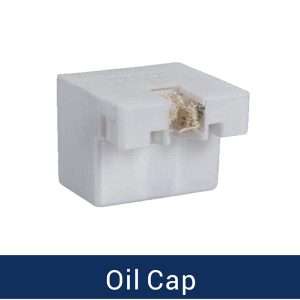
Elevator Oil Can F010
Feature:
- Premium Durability - Reinforced steel construction with anti-corrosion coating ensures 5x longer lifespan than standard models.
- Leak-Proof Design - Patented sealing technology prevents oil leakage, reducing maintenance costs by 30%.
- Universal Compatibility - Fits all major elevator brands (OTIS, Schindler, ThyssenKrupp) without modification.
- Eco-Friendly Materials - 100% recyclable components meet EU RoHS & REACH environmental standards.
- Smart Monitoring - Optional IoT-enabled version sends real-time oil level alerts to facility managers.
- Cost-Efficient - Bulk purchase discounts available, with MOQ as low as 500 units.
- Certified Quality - ISO 9001 & CE certified, backed by 24-month warranty.
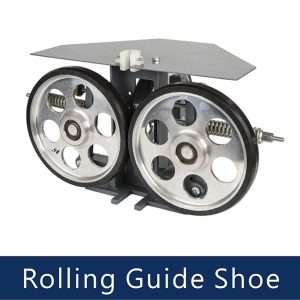
Elevator Rolling Guide Shoe F007
Introduction
Elevator Rooller guide shoes play a crucial role in ensuring smooth vertical movement. Roller guides represent a significant technological advancement, particularly suitable for modern high-rise buildings, energy-efficient elevator systems, sightseeing elevators,high-speed elevators. Despite high initial costs, their excellent performance in reducing friction, noise control, and maintenance requirements makes them the preferred choice for new installations and modern projects.
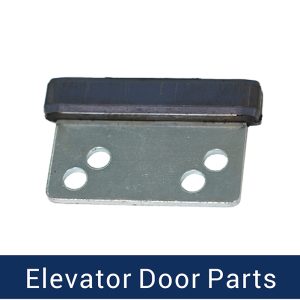
Elevator Slider F001
Key Features
Durable Material:- High-grade nylon or polyurethane inserts for smooth sliding and extended lifespan.
- Reinforced metal base (Q235/stainless steel) for structural stability.
- Tight tolerances (±0.1mm) ensure seamless alignment with door sills.
- Self-lubricating design reduces friction noise and maintenance needs.
- Fits standard
- Adaptable to single/double-wing door systems1.
- Shock-absorbing properties minimize vibration during operation.
- UV-resistant and waterproof to withstand harsh environments.
- Modular design allows quick replacement without rail adjustments.
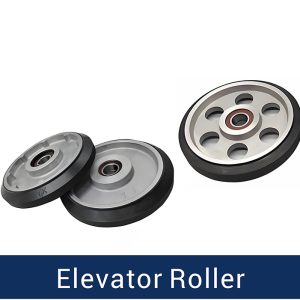
Guide Roller F004
Elevator rollers also calledtrolley wheels, are critical components that ensure smooth vertical movement of elevator cars and counterweights along guide rails. Here’s a breakdown of their primary functions and characteristics:
Main Uses
- Guidance & Stability:
- Metal rollers (metal roller for elevator) maintain precise alignment, preventing lateral sway during operation.
- Guide shoe rollers distribute weight evenly, reducing friction and wear on rails.
- Shock Absorption:
- High-quality rollers dampen vibrations, ensuring passenger comfort in high-speed elevators.
- Durability:
- Constructed from hardened steel or alloy, these rollers withstand heavy loads (e.g., metal roller Amazon listings often highlight 2,500kg+ capacity).
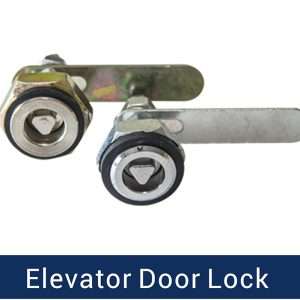
Residential Elevator Door Lock F005
Feature:
- Universal Compatibility – Fits major brands like Mitsubishi, Otis, and KONE.
- Durable Materials – High-grade stainless steel or reinforced alloy for long-term use.
- Safety-Certified – Compliant with GB/T 7588.1-2020 and global elevator standards.
- Easy Installation – Precisely designed for quick mounting without complex tools.
- Cost-Effective – Competitive pricing with bulk discount options for OEM/ODM orders.
- Emergency Ready – Reliable unlocking for door malfunctions or rescues.
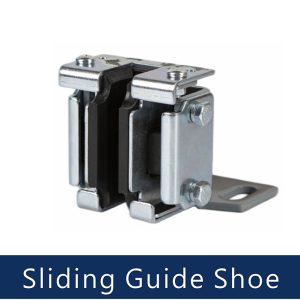
Sliding Guide Shoe F008
1. Applicable speed range
Low speed elevator: mainly used for elevators with operating speeds ≤ 2m/s, especially suitable for extremely low speed scenarios ≤ 1m/s. Rigid sliding guide shoes (fixed toe) are more suitable for elevators with a speed of ≤ 1m/s, while elastic sliding guide shoes (floating toe) can adapt to slight vibration environments.
2. Typical application scenarios
Large tonnage freight elevator: With a simple structure and strong load-bearing capacity, it is suitable for the high load requirements of freight elevators.
Cost sensitive projects: Low manufacturing costs, relatively easy maintenance, suitable for elevator projects with limited budgets.
Specific installation environment: When the installation accuracy of the guide rail is not high or there is a small deviation, the elastic sliding guide shoe can be adaptively adjusted by floating the shoe head to reduce the risk of rail jamming.
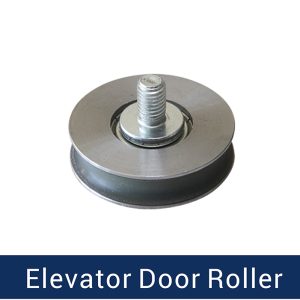
Ultimate High-Performance Elevator Door Rollers for Smooth & Safe Operation F002
Elevator Door Rollers: Key Selling Points
-
Silent Operation
- Engineered with self-lubricating bearings for noise-free movement.
-
Extended Lifespan
- Reinforced nylon/steel construction withstands 500,000+ cycles.
-
Precision Alignment
- ±0.1mm tolerance ensures smooth door tracking.
-
Universal Compatibility
- Fits Otis, Dover, and Mac elevator models.
-
Low Maintenance
- Graphite-embedded rollers eliminate greasing needs.
Technical Note: ISO-certified for safety and durability in high-traffic elevators.
For installation guides, consult OEM manuals or certified technicians.
Reviews
There are no reviews yet.