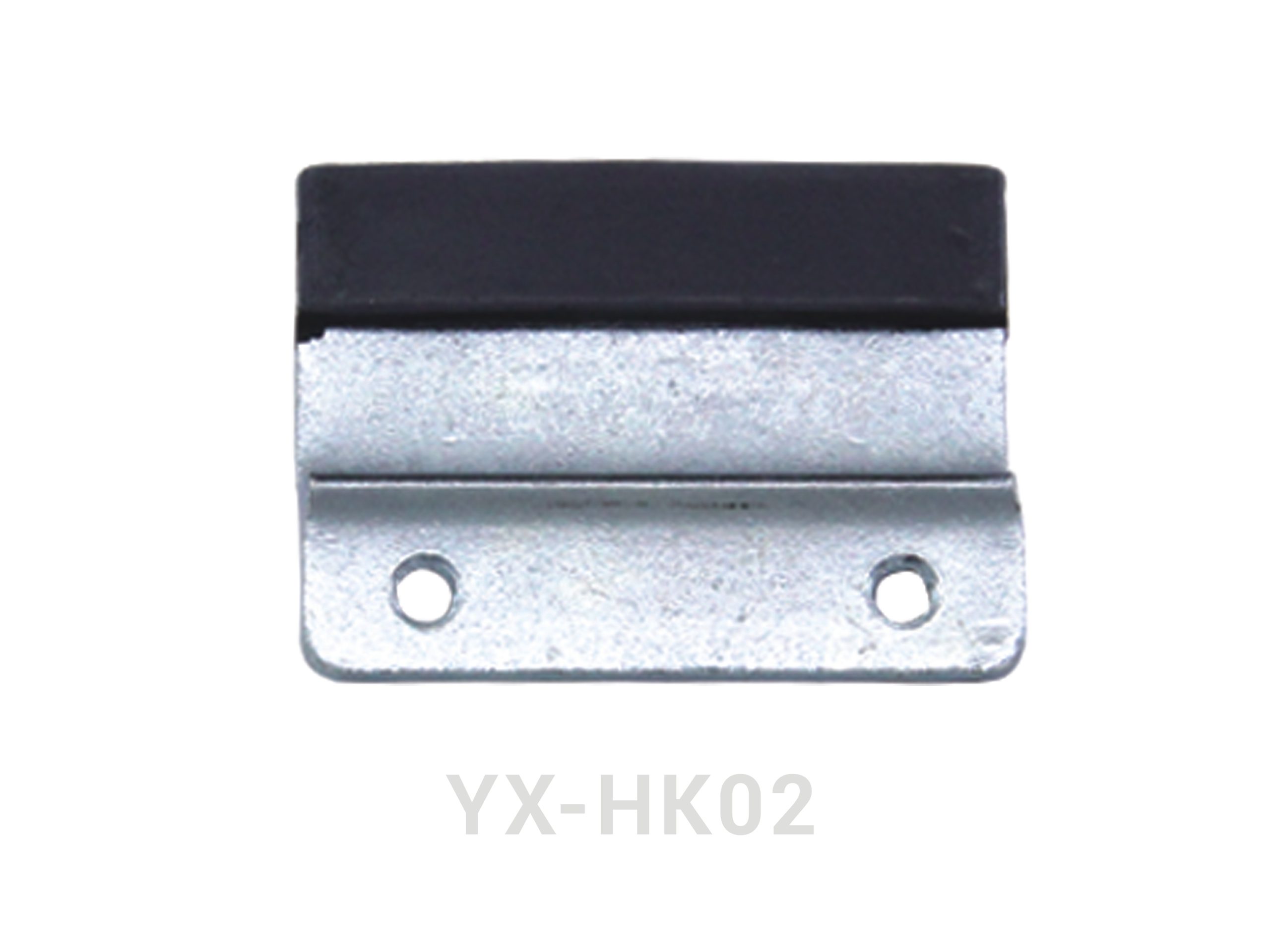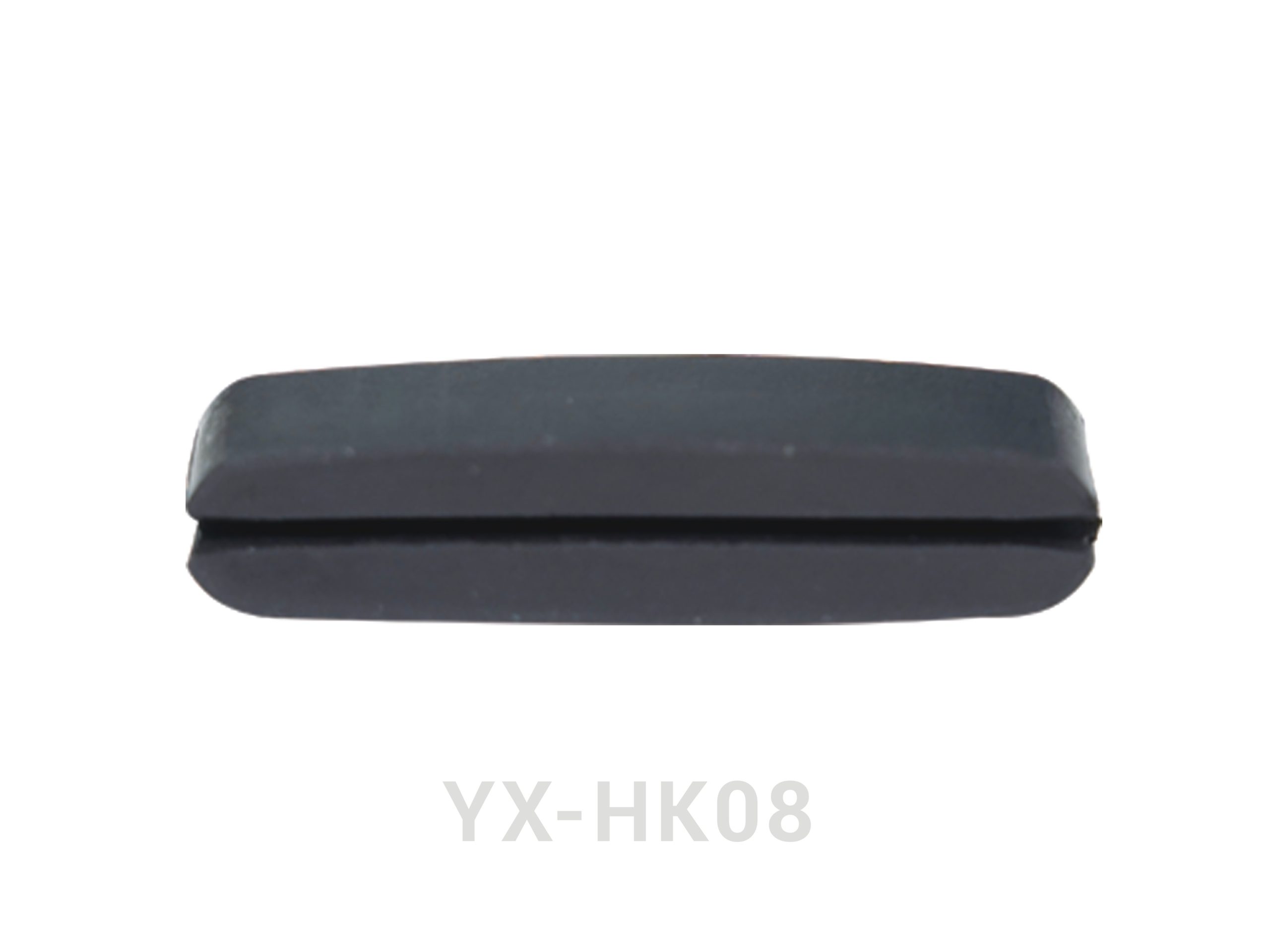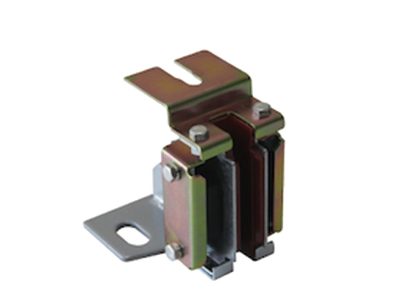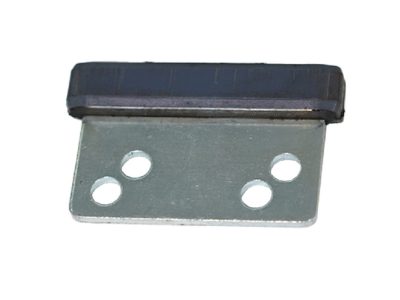
Elevator Slider F001
Key Features
Durable Material:
- High-grade nylon or polyurethane inserts for smooth sliding and extended lifespan.
- Reinforced metal base (Q235/stainless steel) for structural stability.
Precision Engineering:
- Tight tolerances (±0.1mm) ensure seamless alignment with door sills.
- Self-lubricating design reduces friction noise and maintenance needs.
Universal Compatibility:
- Fits standard
- Adaptable to single/double-wing door systems1.
Safety & Performance:
- Shock-absorbing properties minimize vibration during operation.
- UV-resistant and waterproof to withstand harsh environments.
Easy Installation:
- Modular design allows quick replacement without rail adjustments.
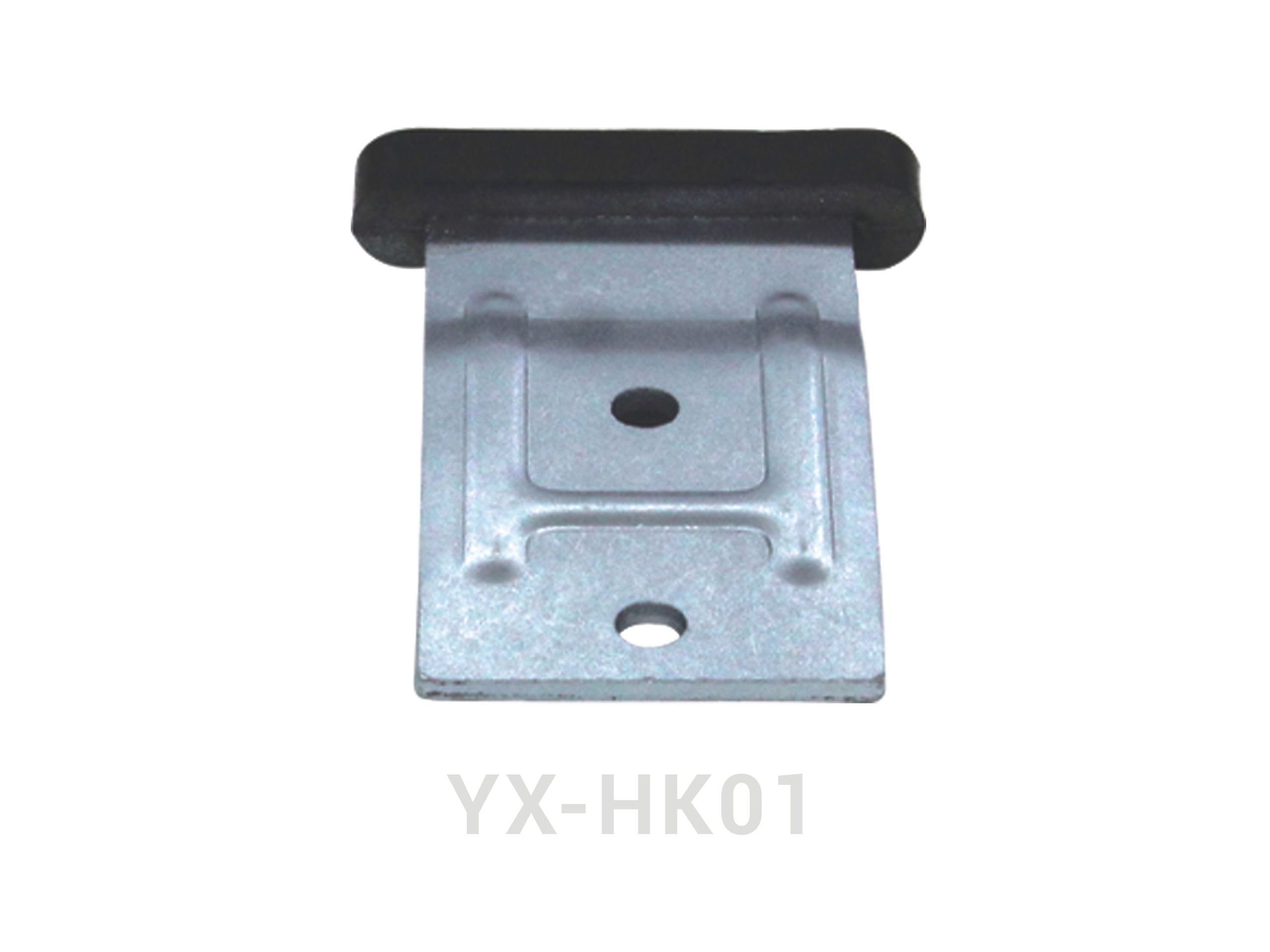
Elevator Slider Installation Position
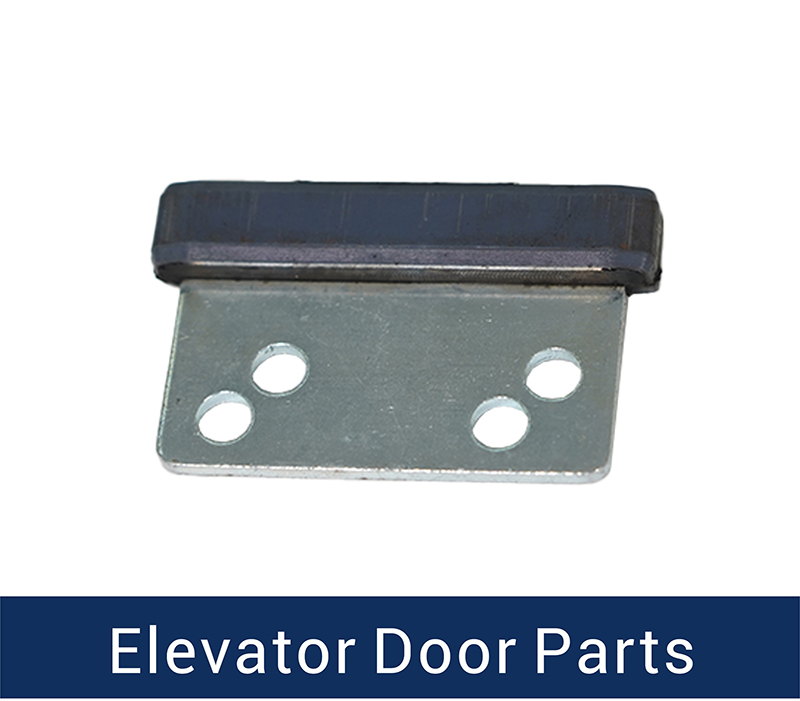
- Located at the bottom of elevator doors (referred to as door shoe or sill slider).
- Embedded into the door sill groove (depth: 4-6mm) to align with the elevator car door threshold.
- Compatible with both lift door sliderand wind-noise reduction slider
Functions of Elevator Slider
- Smooth Movement: Reduces friction between door and sill for silent operation.
- Sealing Protection: Fills gaps (≤6mm) to block debris and wind noise.
- Safety Compliance: Meets EN 81-20/50 standards for gap width and fire resistance.
- Wind-noise reduction
Key Technical Standard of elevator door shoe
- Material & Durability: Reinforced polyamide or UV-resistant composite with lifespan ≥500,000 cycles.
- Precision Dimensions: Tolerance ±0.3mm to ensure smooth alignment with guide rails.
- Friction Reduction: Self-lubricating coating to minimize resistance by 40%.
- Environmental Resistance: Waterproof and dustproof (IP54 rating) for humid/dusty environments.
- Safety Compliance: Meets GB/T 10058-2023 for door system stability and noise control (≤65dB).
- Modular Design: Easy replacement without rail modification, reducing maintenance time.
Ginotek Elevator Slider


Why Choose Ginotek Elevator Slider?
For over 30 years, Ginotek has been a trusted specialist in precision-engineered rubber components for elevators. Here’s why global partners rely on our door sill sliders:
1.Proven Expertise
- Deep-rooted mastery in high-performance rubber formulations and polymer alloys
- Optimized designs for noise reduction, shock absorption, and durability
2.End-to-End Solutions
- Vertical integration: From material R&D to finished product
- Customization support for perfect compatibility with your elevator systems
3.Quality Assurance
- Meticulous manufacturing with ISO-certified processes
- Rigorous testing for smooth operation and long service life
4.Global Trust
- Trusted by elevator OEMs and maintenance providers worldwide
- 30-year legacy of reliable delivery and technical support
Let’s collaborate to enhance your elevator performance. Contact us for tailored solutions.
Ginotek Elevator Parts
Elevator Slider Rubber Structure Design and Manufacturing
The Elevator Slider is a key component in modern elevator systems, ensuring smooth guidance, reduced vibration, and quiet operation during vertical movement. While metal frameworks provide structural strength, rubber components play a decisive role in comfort, durability, and long-term reliability. Professional rubber structure design and manufacturing are essential to achieving stable elevator performance in residential and commercial buildings.
Functional Role of Rubber in Elevator Sliders
In an Elevator Slider, rubber parts are mainly used for sliding surfaces, damping layers, and noise-reduction elements. These rubber components minimize friction between the guide rail and the elevator car, absorb operational vibration, and prevent metal-to-metal contact. A well-designed rubber structure ensures consistent sliding performance while extending the service life of both the slider and the guide rail.
Rubber Material Selection
Material selection is the foundation of Elevator Slider performance. Commonly used materials include high-abrasion-resistant rubber compounds such as modified EPDM and polyurethane-based rubber. These materials offer excellent wear resistance, elasticity, and aging stability. Depending on the operating environment, rubber formulations can be adjusted to improve temperature resistance, hardness balance, and fatigue strength.
Each rubber compound is carefully engineered to maintain stable physical properties under continuous load and repeated movement, ensuring reliable performance throughout the elevator’s operating cycle.
Structural Design Considerations
Rubber structural design for Elevator Slider applications focuses on precision geometry and controlled deformation. Engineers optimize thickness, contact surface profiles, and internal reinforcement structures to achieve balanced pressure distribution. Proper groove design and surface texture reduce friction while maintaining adequate grip on the guide rail.
Advanced simulation tools are often used to analyze stress concentration and sliding behavior, allowing manufacturers to refine the rubber structure before mass production. This approach improves consistency and reduces material waste.
Manufacturing and Quality Control
Elevator Slider rubber components are typically produced using compression molding or injection molding processes. Strict control of molding temperature, pressure, and curing time ensures uniform density and dimensional accuracy. After molding, components undergo trimming, surface finishing, and functional inspection.
Quality control includes hardness testing, abrasion resistance evaluation, and dimensional checks to meet international elevator standards. Customization options are available to match different elevator brands and guide rail specifications.
Conclusion
High-quality rubber structure design and precision manufacturing are critical to Elevator Slider performance. By combining optimized material selection, advanced structural engineering, and strict quality control, elevator parts manufacturers can deliver reliable, low-noise, and durable slider solutions for global markets.
You must be logged in to post a review.
Related products
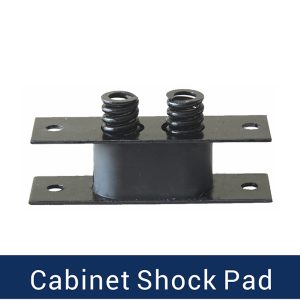
Elevator Cabinet Shock Pad F006
Primary Functions of Elevator Cabinet Shock Pad
- Impact Absorption
- Mitigates sudden shocks during cabin movement (e.g., acceleration/braking) by compressing and rebounding to absorb kinetic energy.
- Noise Reduction
- Dampens structural-borne noise (e.g., metal-on-metal contact) by up to 15 dB, ensuring quieter operation.
- Vibration Isolation
- Blocks transmission of low-frequency vibrations from motors and guide rails to the cabin structure.
- Component Protection
- Reduces mechanical stress on suspension systems and rails, extending equipment lifespan.
Note: Top and bottom installation ensures comprehensive shock absorption throughout the cabin’s motion cycle.
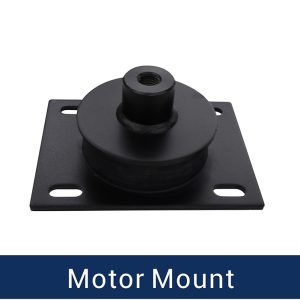
Elevator Motor Mounting F003
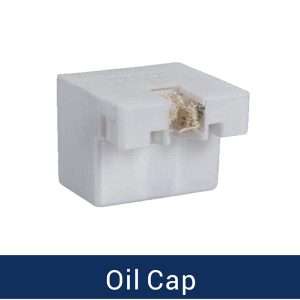
Elevator Oil Can F010
Feature:
- Premium Durability - Reinforced steel construction with anti-corrosion coating ensures 5x longer lifespan than standard models.
- Leak-Proof Design - Patented sealing technology prevents oil leakage, reducing maintenance costs by 30%.
- Universal Compatibility - Fits all major elevator brands (OTIS, Schindler, ThyssenKrupp) without modification.
- Eco-Friendly Materials - 100% recyclable components meet EU RoHS & REACH environmental standards.
- Smart Monitoring - Optional IoT-enabled version sends real-time oil level alerts to facility managers.
- Cost-Efficient - Bulk purchase discounts available, with MOQ as low as 500 units.
- Certified Quality - ISO 9001 & CE certified, backed by 24-month warranty.
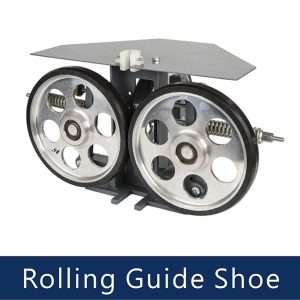
Elevator Rolling Guide Shoe F007
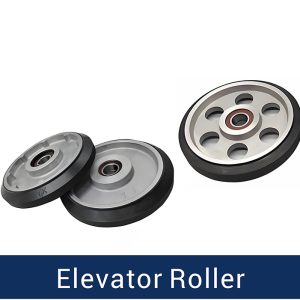
Guide Roller F004
Elevator rollers also calledtrolley wheels, are critical components that ensure smooth vertical movement of elevator cars and counterweights along guide rails. Here’s a breakdown of their primary functions and characteristics:
Main Uses
- Guidance & Stability:
- Metal rollers (metal roller for elevator) maintain precise alignment, preventing lateral sway during operation.
- Guide shoe rollers distribute weight evenly, reducing friction and wear on rails.
- Shock Absorption:
- High-quality rollers dampen vibrations, ensuring passenger comfort in high-speed elevators.
- Durability:
- Constructed from hardened steel or alloy, these rollers withstand heavy loads (e.g., metal roller Amazon listings often highlight 2,500kg+ capacity).
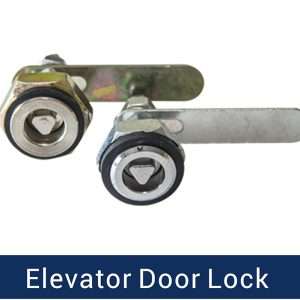
Residential Elevator Door Lock F005
- Universal Compatibility – Fits major brands like Mitsubishi, Otis, and KONE.
- Durable Materials – High-grade stainless steel or reinforced alloy for long-term use.
- Safety-Certified – Compliant with GB/T 7588.1-2020 and global elevator standards.
- Easy Installation – Precisely designed for quick mounting without complex tools.
- Cost-Effective – Competitive pricing with bulk discount options for OEM/ODM orders.
- Emergency Ready – Reliable unlocking for door malfunctions or rescues.
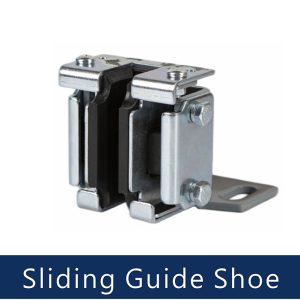
Sliding Guide Shoe F008
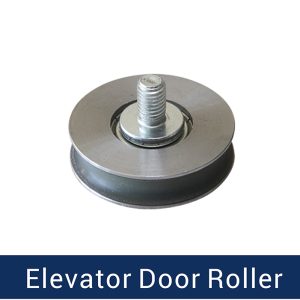
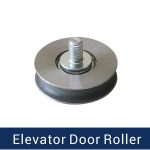
Ultimate High-Performance Elevator Door Rollers for Smooth & Safe Operation F002
Elevator Door Rollers: Key Selling Points
-
Silent Operation
- Engineered with self-lubricating bearings for noise-free movement.
-
Extended Lifespan
- Reinforced nylon/steel construction withstands 500,000+ cycles.
-
Precision Alignment
- ±0.1mm tolerance ensures smooth door tracking.
-
Universal Compatibility
- Fits Otis, Dover, and Mac elevator models.
-
Low Maintenance
- Graphite-embedded rollers eliminate greasing needs.
Technical Note: ISO-certified for safety and durability in high-traffic elevators.
For installation guides, consult OEM manuals or certified technicians.

Reviews
There are no reviews yet.