
Rubber Engine Mountings Failure Symptoms: 10-Minute Quick Diagnosis—Spot Idle Vibration & 100k Mile Interval

Related Posts
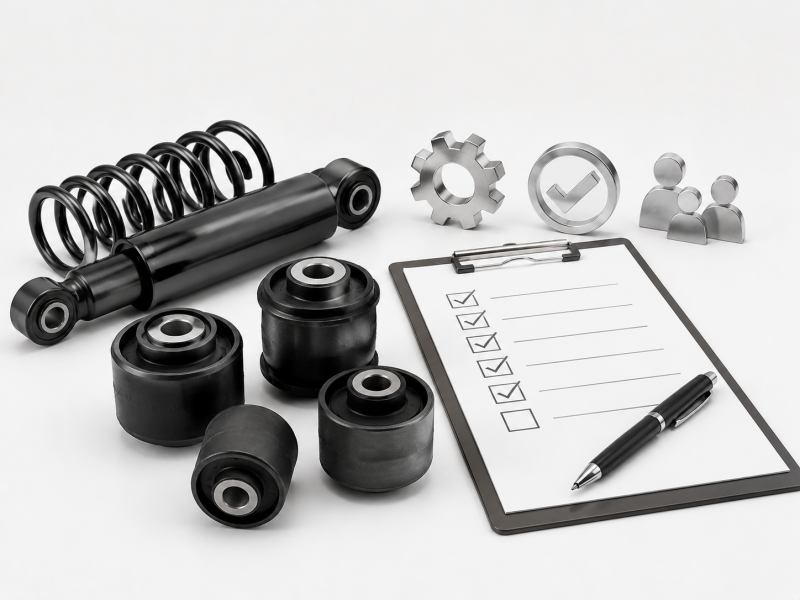
Rubber Bushings Suspension Manufacturing: How to Evaluate a Reliable Partner B113
This strategic guide outlines the four critical criteria for evaluating a reliable rubber bushings suspension manufacturer, demonstrating how Ginotek’s 30-year industrial expertise ensures premium component durability.
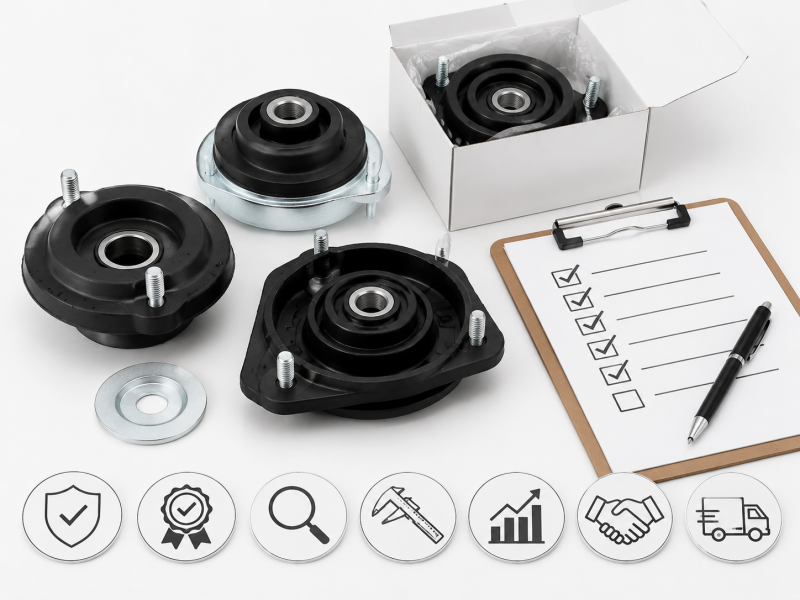
Strut Rubber Mount Procurement: Reliable 7 Key Standards for Auto Parts
This comprehensive guide outlines 7 non-negotiable manufacturing standards for sourcing a reliable strut rubber mount, helping auto parts distributors minimize component failure rates and secure long-term profitability.
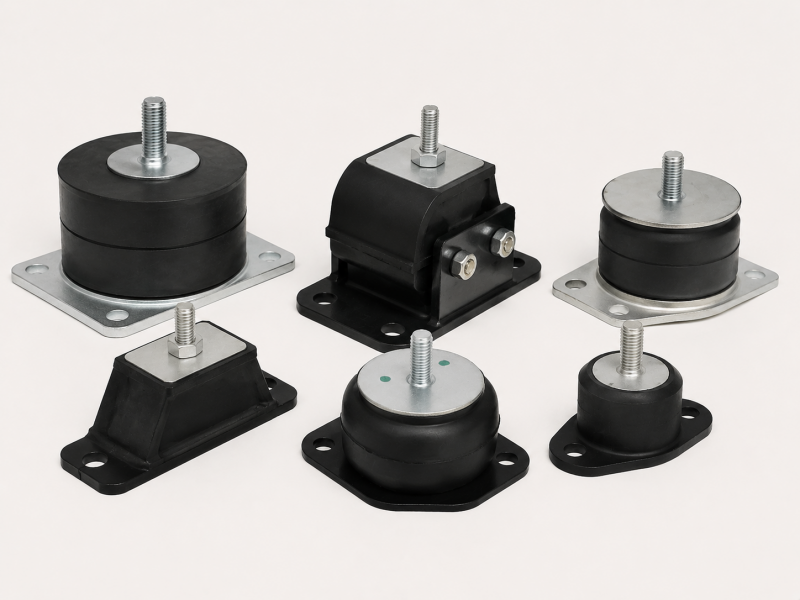
Generator Rubber Mount Solutions: Maximizing Damping for Industrial Gensets B097
This technical guide details how choosing a high-elasticity generator rubber mount prevents structural damage, reduces operational noise, and extends the service life of industrial, marine, and construction generator sets.
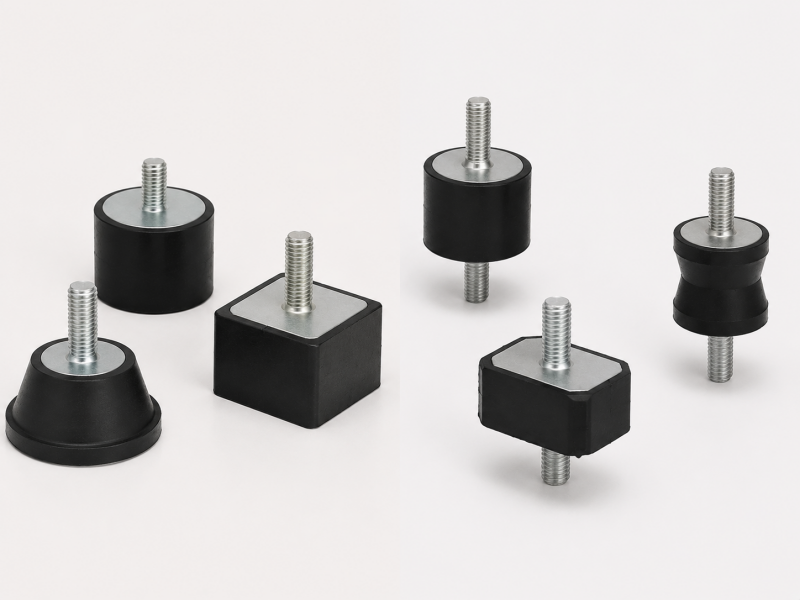
Rubber Mount with Thread Solutions: Single vs. Double Stud Selection Guide B095
This expert guide by Ginotek analyzes the structural differences, applications, and pros of single vs. double stud rubber mount with thread components to help buyers make informed procurement decisions.
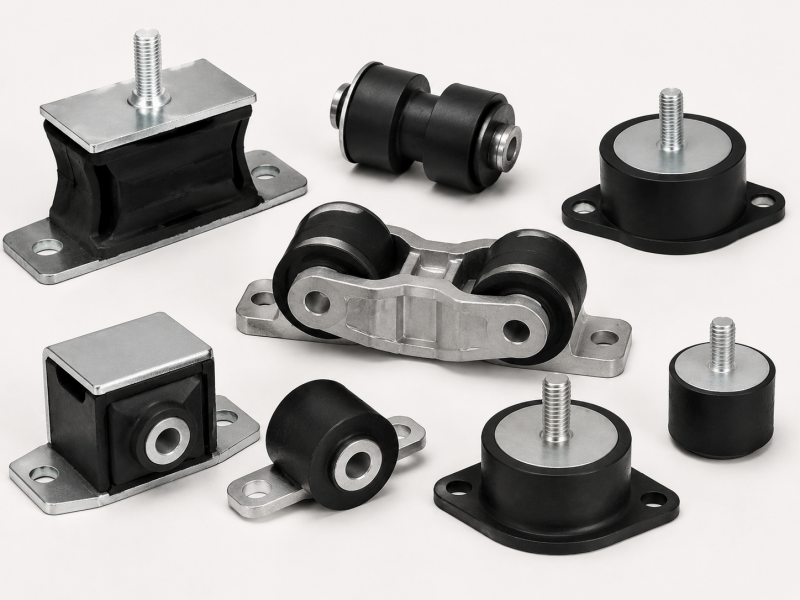
Critical Transmission Rubber Mount Selection for High-Performance OEM Applications B094
This technical guide outlines critical selection criteria for choosing an OEM transmission rubber mount, balancing dynamic loads, material properties, and customization requirements to ensure long-term machinery reliability.
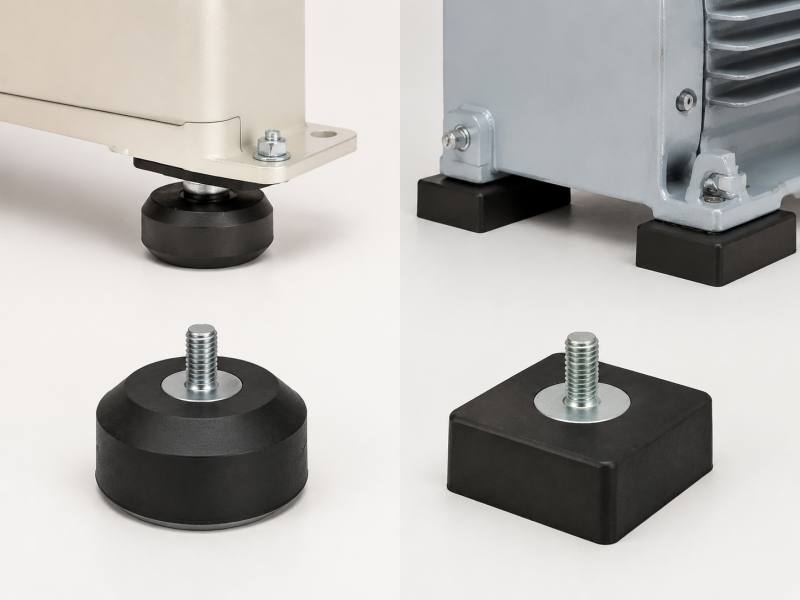
Anti Vibration Rubber Feet: Round vs. Square – Which Design Is Best for Equipment? B093
Discover the differences between round and square Anti Vibration Rubber Feet. Learn how load capacity, vibration isolation, and installation requirements affect equipment performance and purchasing decisions.
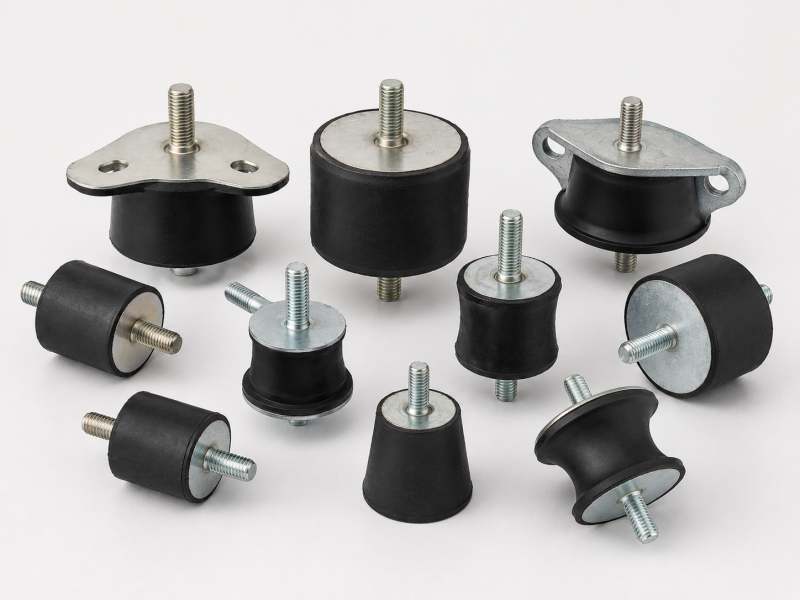
Rubber Mount with Studs: Ultimate Choice with Superior Vibration Control B090
This comprehensive technical guide demonstrates how integrating a precision-engineered Rubber Mount with Studs mitigates structural resonance, lowers mechanical fatigue, and significantly extends the operational lifespan of heavy industrial equipment.
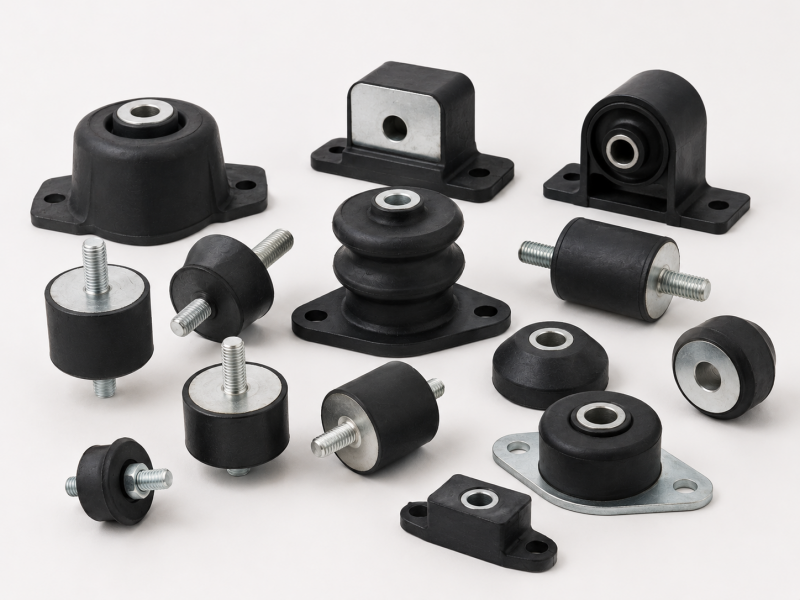
Rubber for Mounting Solutions: Ultimate Custom OEM Guide B089
In competitive supply chains, Ginotek provides bespoke rubber for mounting solutions, leveraging independent R&D, material flexibility, and rigorous ISO quality controls to empower global B2B procurement buyers.
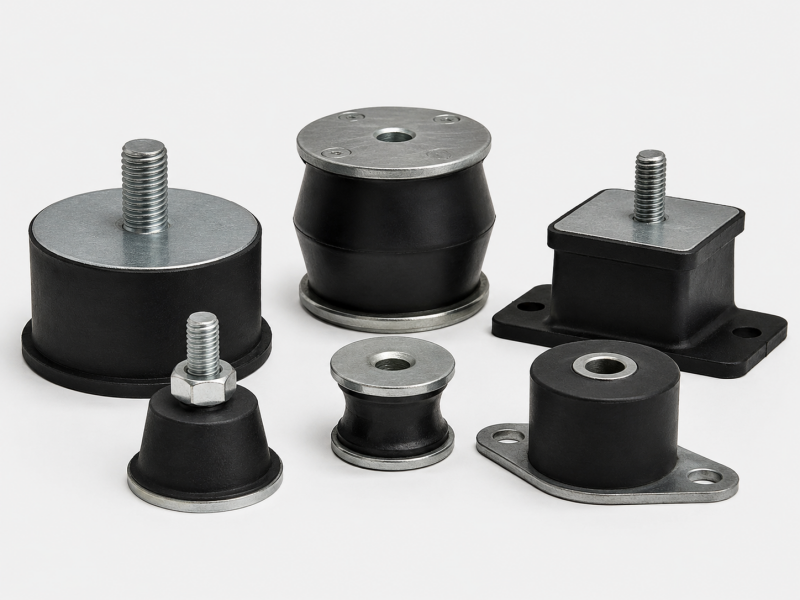
Anti Vibration Rubber Mounts: Reliable In-House Compounding B088
This article outlines how Ginotek's precision in-house compounding eliminates manufacturing variability, delivering high-performance Anti Vibration Rubber Mounts with superior durability, precise hardness, and long-term vibration isolation capabilities.
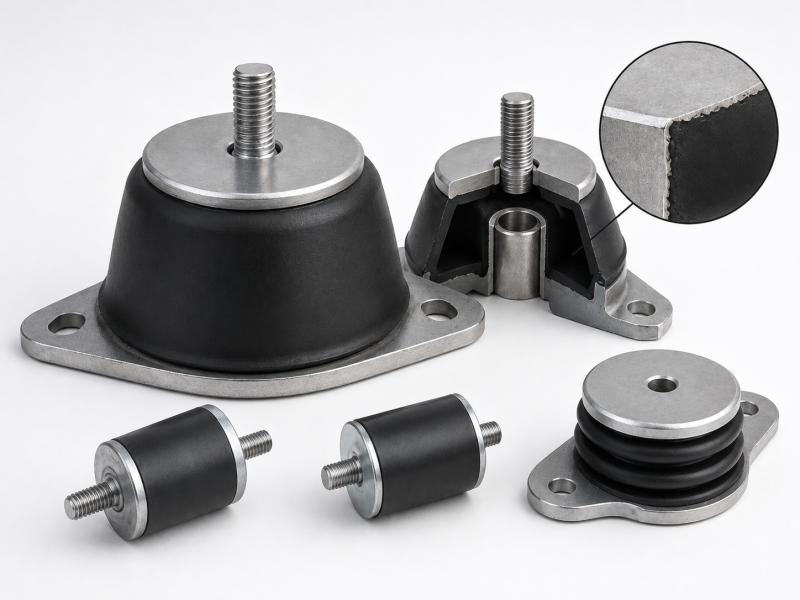
Vibration Mounts Rubber: Innovative R&D Science B086
This technical guide explores how Ginotek's specialized R&D optimizes Vibration Mounts Rubber through advanced polymer science and multi-stage metal surface treatments, ensuring zero delamination under extreme industrial conditions.
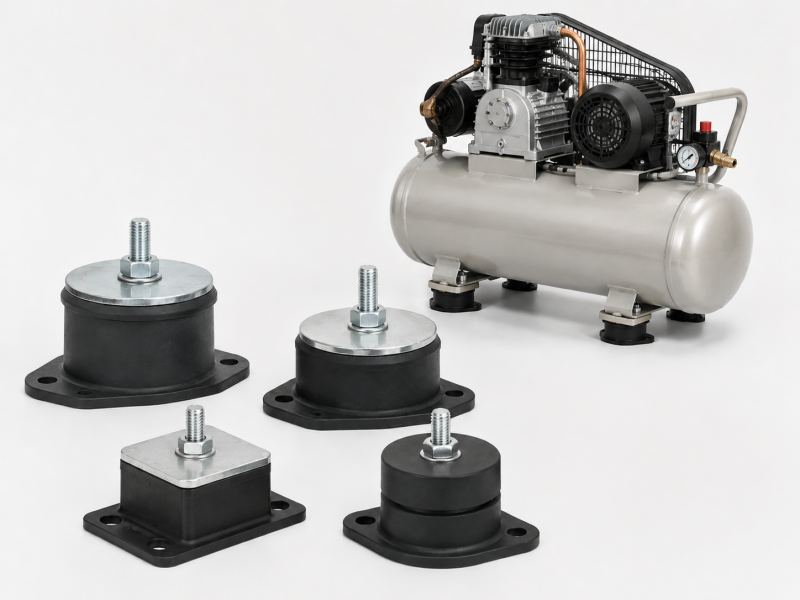
Rubber Isolator Mounts for Air Compressor: Guide to Prevent Costly Failures B084
This guide evaluates NBR, EPDM, and Neoprene to help you select the ideal Rubber Isolator Mounts for Air Compressor, focusing on oil resistance, weatherability, and industrial vibration dampening performance.
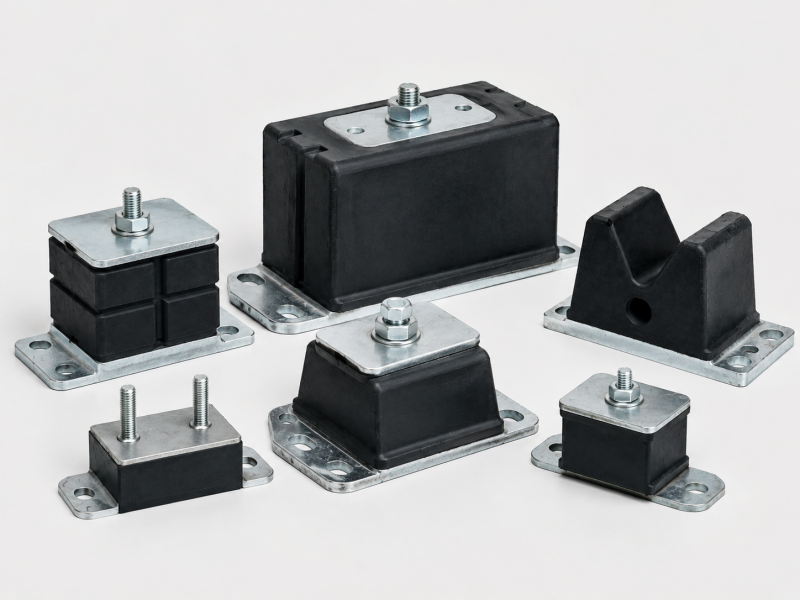
Rubber Mounting Blocks for Marine: Superior Solutions B083
This article details why high-performance Rubber Mounting Blocks are essential for marine applications, highlighting Ginotek's advanced EPDM formulations that provide unmatched durability against salt, UV, and intense mechanical vibration.