Products & Services

Rubber Solutions for Noise Pollution: 7 Effective Ways to Reduce Industrial & Mechanical Noise B016
Rubber Solutions for Noise Pollution

How Advanced Rubber Solutions Control Noise Pollution Through Vibration Damping & Isolation

This article explores professional rubber solutions for noise pollution, explaining how rubber materials absorb vibration, block sound transmission, and reduce noise in machinery, vehicles, buildings, and equipment.

Noise pollution has become a critical concern in industrial production, urban construction, transportation, and daily equipment operation. Uncontrolled noise not only affects working environments but also accelerates equipment fatigue and shortens service life. Among all noise-reduction methods, Rubber Solutions for Noise Pollution are widely recognized as one of the most efficient, economical, and practical choices.

Rubber’s unique viscoelasticity allows it to convert vibrational energy into heat, effectively suppressing resonance and reducing sound transmission. This makes rubber a core material in modern noise control engineering. Below are the most widely used rubber solutions for noise pollution across different industries.

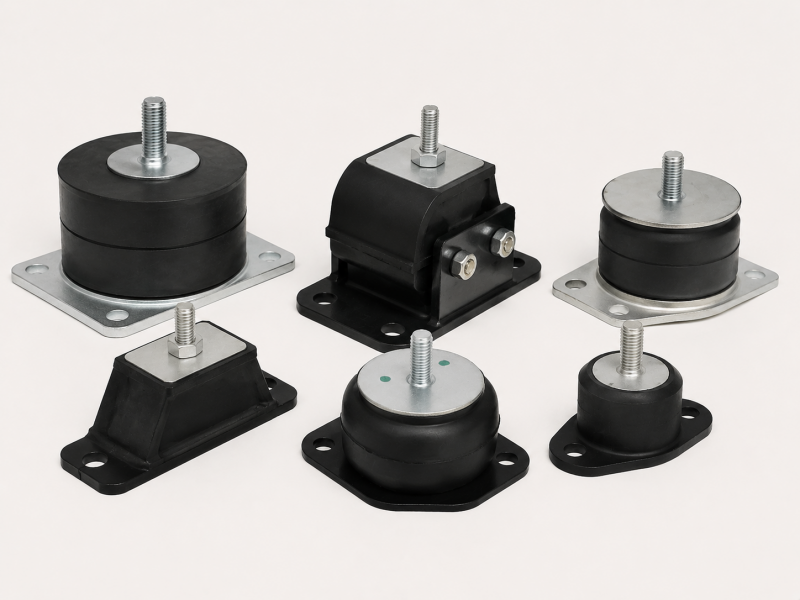
1. Rubber Vibration Mounts & Isolators

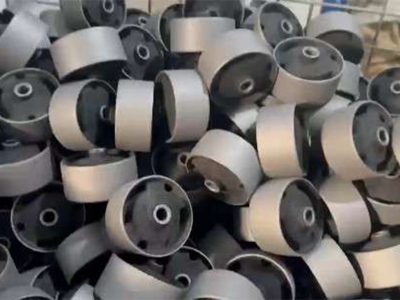
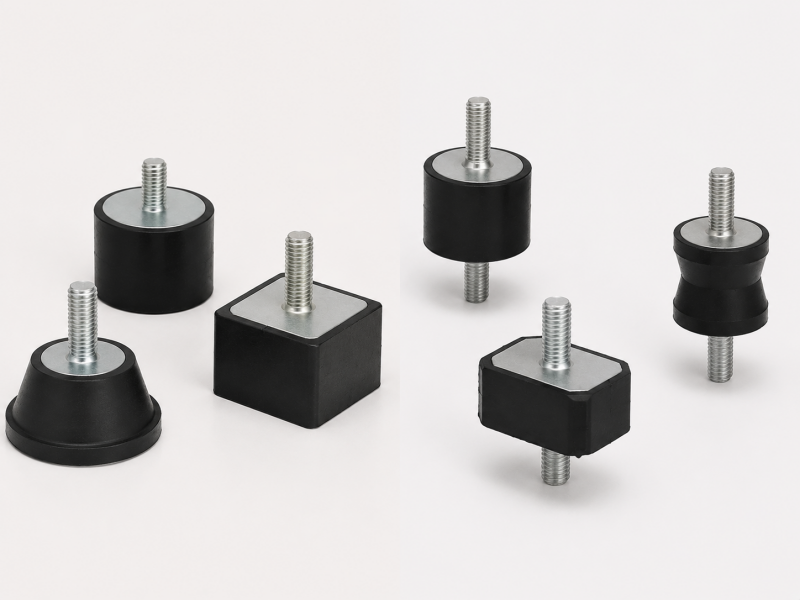
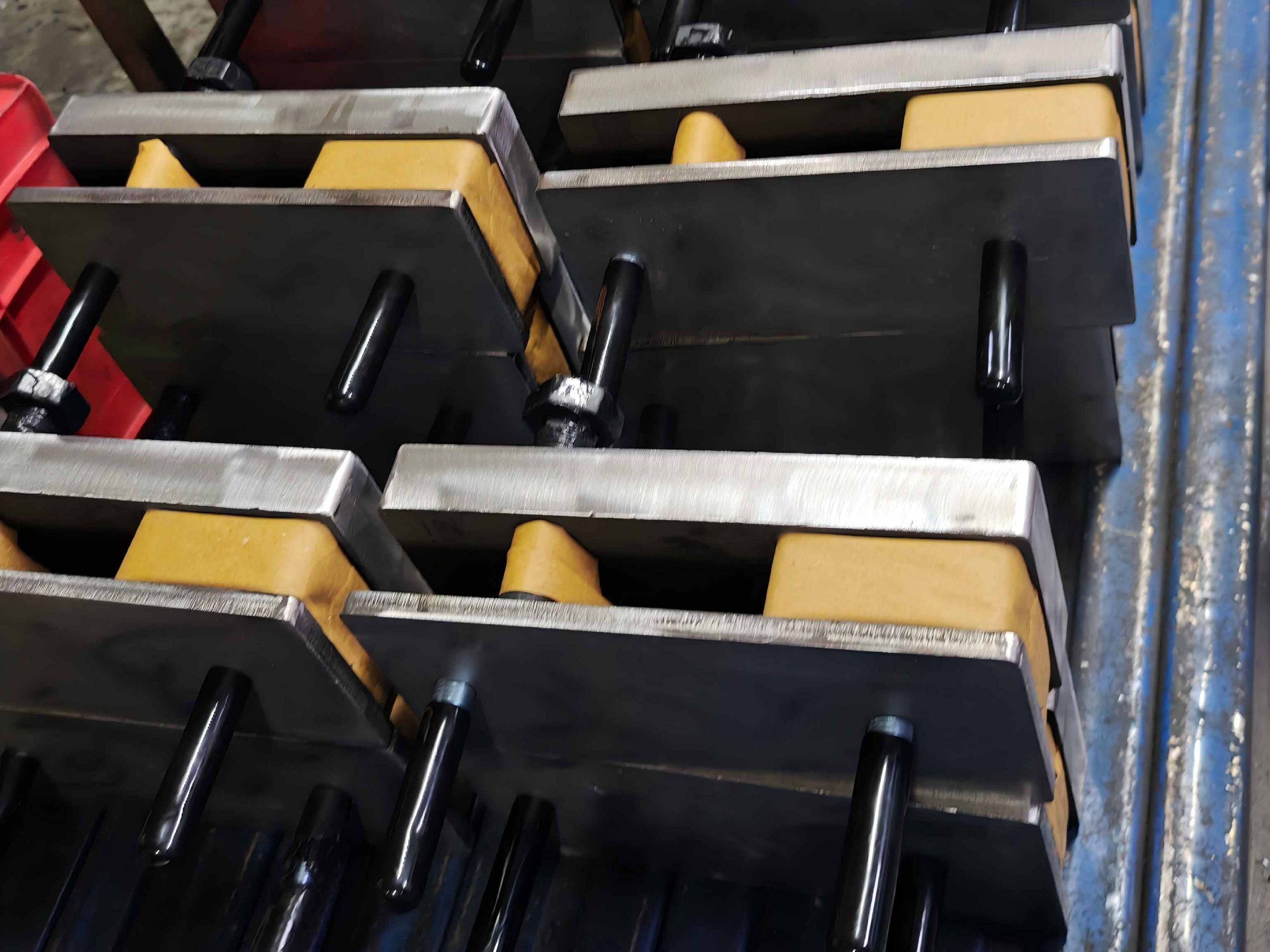
Vibration is the primary source of mechanical noise. When transmitted through structural components, it significantly impairs the operational comfort and stability of equipment. As key components in rubber-based noise reduction solutions, rubber mounts and isolators leverage the high-damping properties of rubber to isolate vibrating machinery from supporting structures effectively, breaking the pathway for vibration transmission.

Widely used in motors, pumps, generators, elevators, and other types of equipment, these components greatly reduce structure-borne noise, noticeably dampen vibration and sound during operation, and create a quieter and more stable operating environment for machinery.

2. Rubber Dampers for Automotive Noise Control

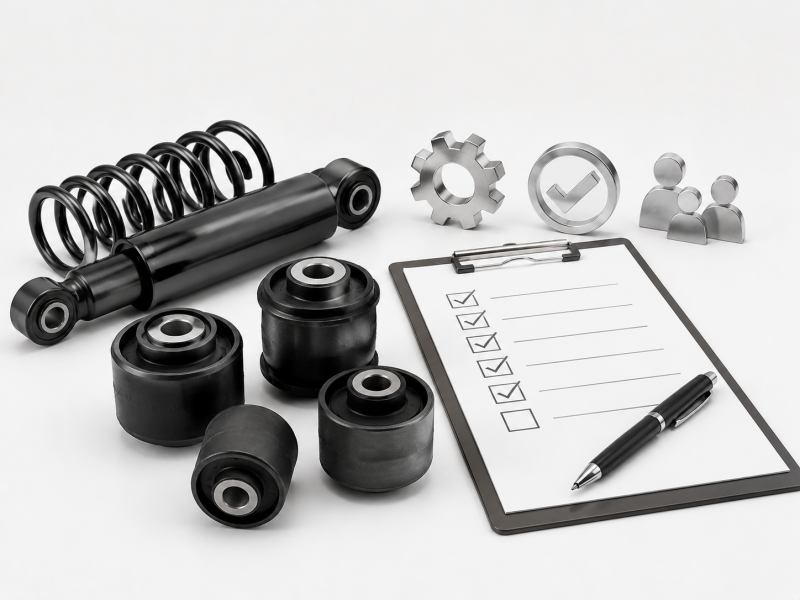
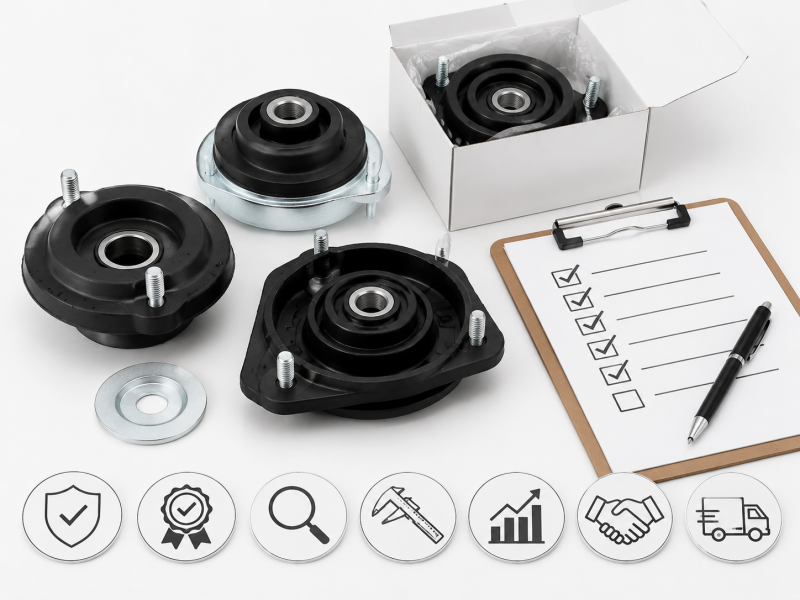
The automotive industry’s relentless pursuit of superior ride comfort has made high-performance rubber solutions essential for effective noise and vibration control. Components, including rubber dampers, suspension bushings, and engine mounts, serve as “silence guardians” for vehicles. By precisely tuning to the vibration characteristics of the engine and chassis, they efficiently absorb high-frequency vibrations generated by powertrain operation and road impact, significantly reducing interior noise while mitigating external noise radiation.

Crucially, modern rubber composites, refined through advanced material formulation, feature outstanding oil resistance, high-temperature durability, and wear resistance. Even under long-term exposure to engine bay fluids and extreme heat, they maintain stable elasticity and damping performance, ensuring consistent noise reduction over time and delivering users a quiet and comfortable driving experience.

3. Custom Rubber Components for Elevator Noise Reduction

Noise and vibration during elevator operation are key factors that impact the riding experience. In residential and commercial buildings, frequently operated elevators tend to transmit sound through building structures, which can disrupt daily work and living environments.

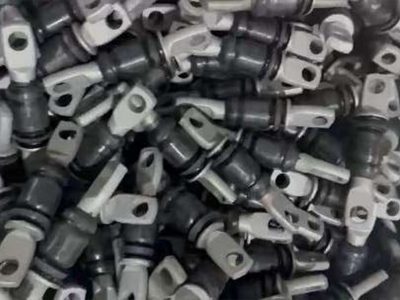
Customized rubber solutions provide an effective countermeasure: rubber dampers isolate vibration transmission between the elevator car and guide rails; guide shoe liners cushion friction and impact during the car’s movement; door buffers mitigate impact noise from door opening and closing; and car mats further absorb minor internal vibrations. These specialized rubber components work synergistically to stabilize elevator operation, significantly reducing friction and vibration-induced noise, ensuring quiet elevator operation and creating a comfortable, serene riding environment for users.

4. High-Performance Rubber Compounds for Extreme Environments

For heavy industry, offshore, and high-temperature applications, advanced rubber compounds, including NBR and EPDM, provide durable rubber solutions for noise pollution. These materials maintain damping performance even under oil, high temperature, and harsh weather conditions.

NBR demonstrates exceptional performance in oil-rich environments, retaining its damping properties even when continuously exposed to fuels, lubricants, or other oil-based contaminants. This makes it particularly suitable for offshore drilling rigs, industrial machinery, and equipment that operate in constant contact with oil, ensuring consistent vibration absorption and noise reduction without performance degradation.

EPDM, by contrast, excels in extreme temperature and harsh weather conditions. It exhibits strong resistance to ultraviolet (UV) radiation, ozone, and extreme heat, maintaining stable damping performance even in harsh environments such as desert power plants or Arctic offshore facilities. This resilience prevents material degradation and ensures reliable vibration attenuation, effectively reducing operational noise.

Together, these high-performance rubber compounds provide consistent, long-term noise reduction and vibration control, creating safer, quieter, and more stable operational environments—even in the most demanding industrial, offshore, and high-temperature scenarios.

5. Rubber Pads & Underlays for Flooring & Equipment

Rubber underlays and vibration-damping pads, as highly efficient rubber-based noise reduction solutions, are widely applied in construction sites, gymnasiums, industrial workshops, and elevator systems, leveraging the high elasticity and damping properties inherent to rubber materials.

At construction sites, these pads cushion the impact generated by heavy machinery operation, mitigating construction noise and its adverse disturbance to the surrounding environment. In gymnasiums, they effectively absorb vibrations induced by equipment impacts and foot traffic, preventing noise propagation to residents on lower floors. Within industrial workshops, they attenuate the transmission of equipment-generated vibrations, safeguarding building structures against long-term impact-induced damage. In elevator systems, they reduce vibration and noise during cabin operation, thereby enhancing ride comfort for users. Rubber Solutions for Noise Pollution.

Rubber Solutions for Noise Pollution. These rubber solutions not only effectively minimize impact noise and footfall-borne vibrations to create a quieter indoor environment but also mitigate the detrimental effects of sustained vibration on building structures, thereby providing robust support for structural safety and longevity.

Conclusion

Rubber Solutions for Noise Pollution are cost-effective and widely used across industries to reduce vibration and block sound transmission, creating quieter working environments while protecting equipment and extending service life.

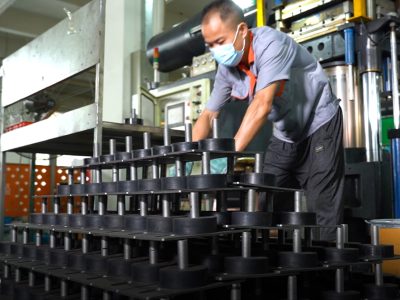
Ginotek, as a professional custom rubber component manufacturer, provides tailored damping and noise control solutions for elevators, automotive, construction, and industrial machinery. Using advanced materials, formulation, and vulcanization technology, we produce high-performance rubber mounts, dampers, and buffers that deliver stable noise reduction even in harsh working conditions.

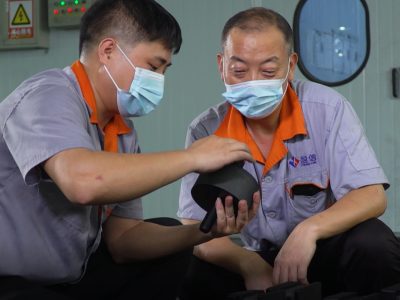
With rich industry experience and strict quality control, Ginotek is your reliable partner to effectively solve noise pollution problems and improve equipment performance.

Keep in touch with us!

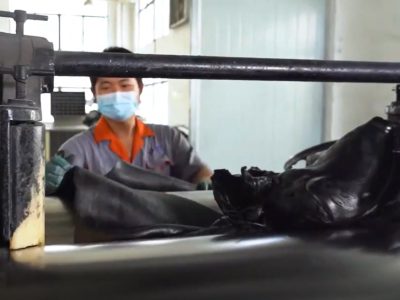
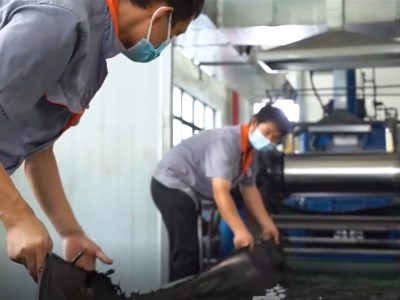
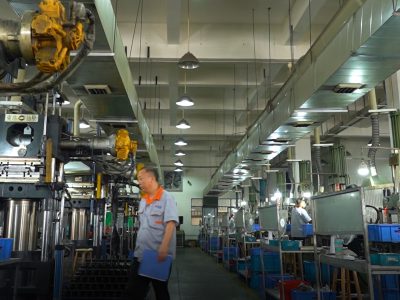
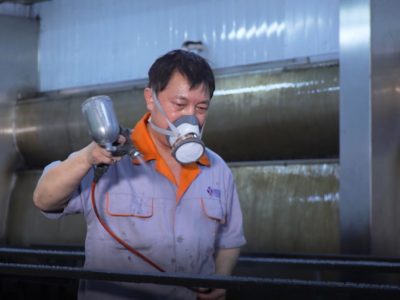
Rubber Production Workshop