
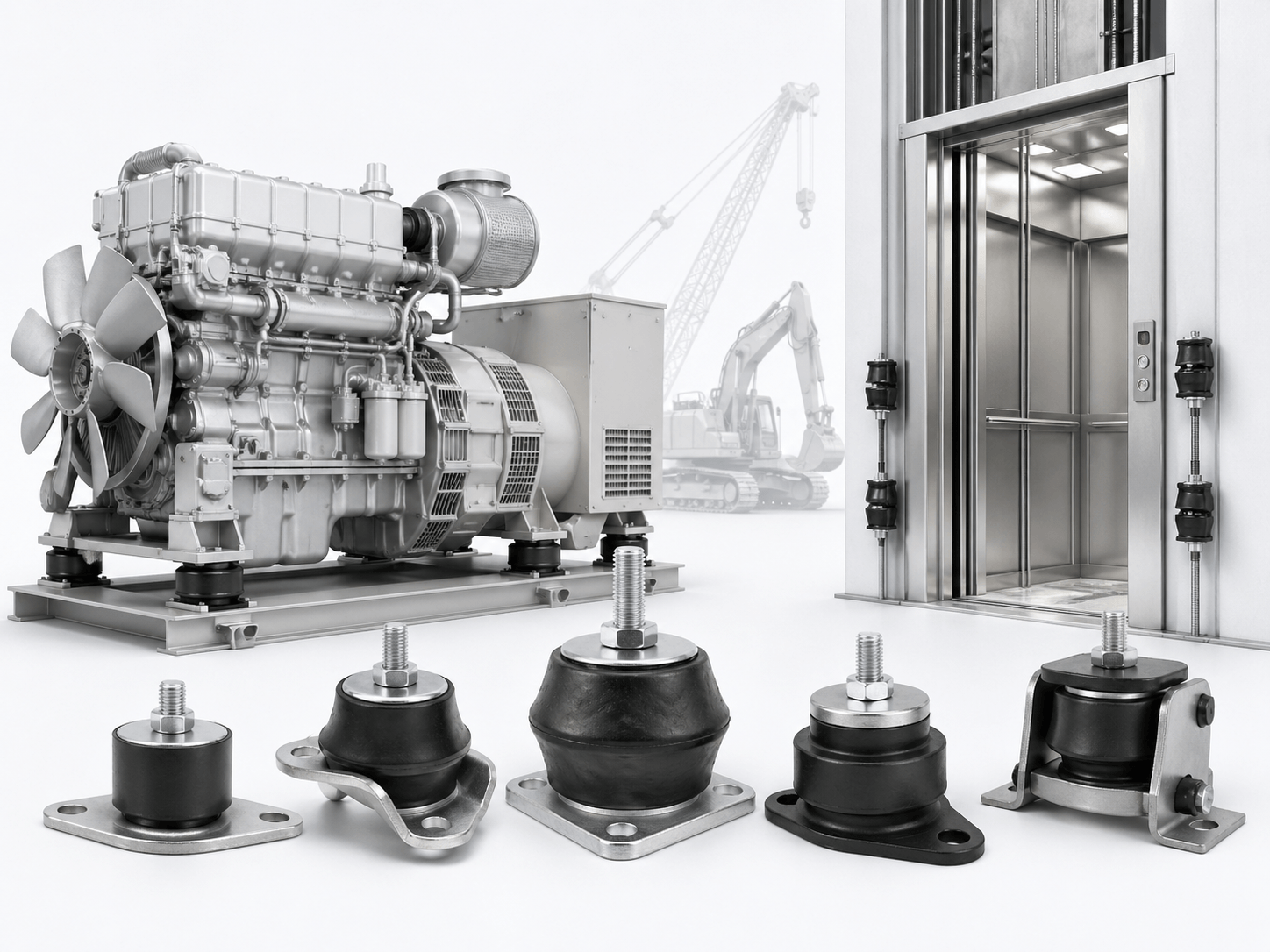
Purpose of Engine Mounts: Custom Rubber Solutions for Special Machinery & Elevator Equipment B058
This article explains the Purpose of Engine Mounts in custom rubber solutions for machinery and elevators, highlighting vibration control, noise reduction, load support, and the advantages of tailored materials and designs.
Cracked Engine Mount Evaluation: Hairline vs. Severe Damage Guide B057
This professional guide by Ginotek explains how to accurately assess Cracked Engine Mount damage, distinguishing between minor hairline aging and severe structural failure to optimize maintenance costs and vehicle safety.
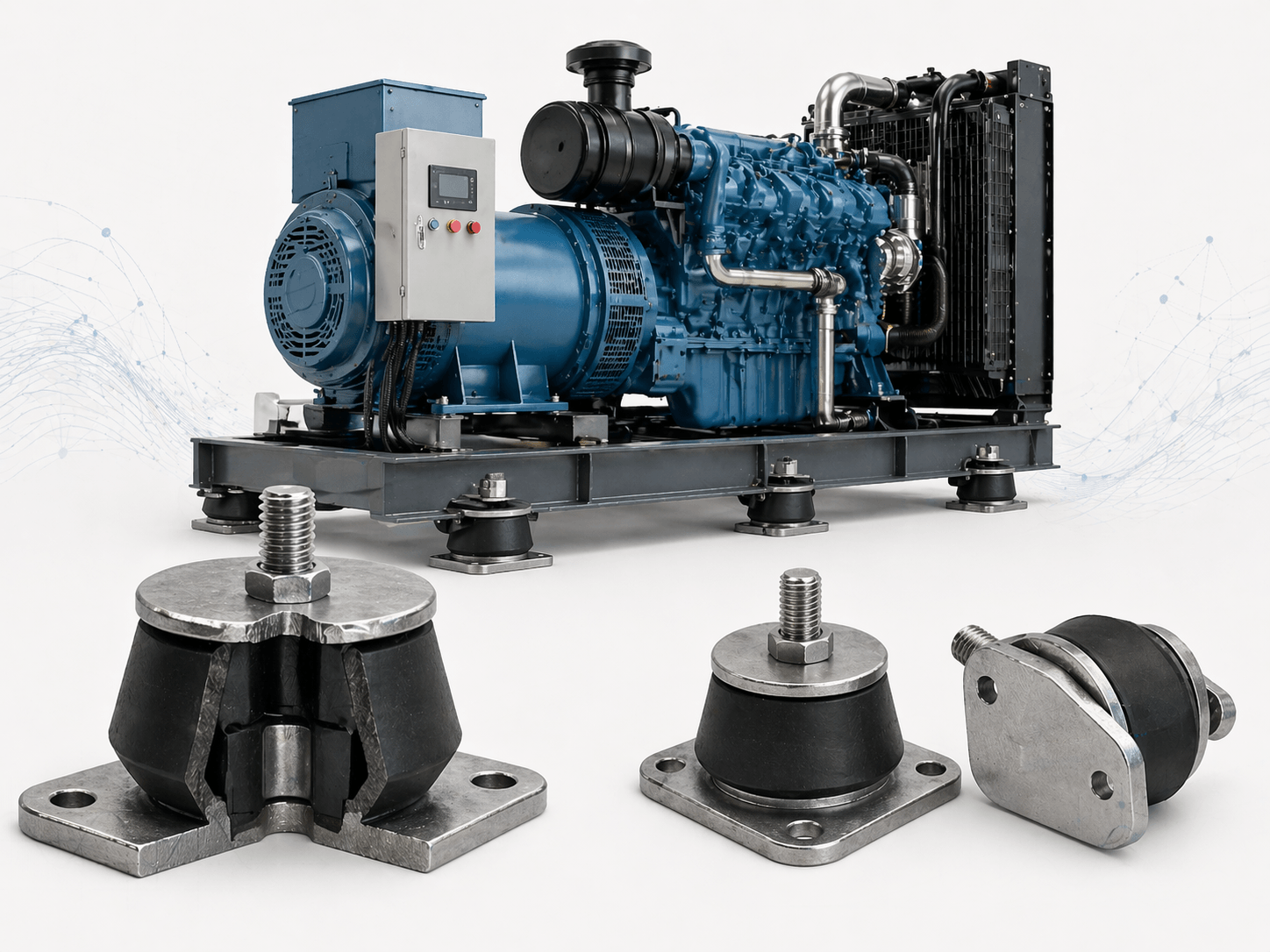
Generator Anti Vibration Mounts: Why Integrated Metal-Rubber Design is the Ultimate Solution for Industrial Power Units B056
This article explores the structural advantages of integrated metal-rubber Generator Anti Vibration Mounts, analyzing how Ginotek’s vulcanized design solves common vibration, noise, and durability issues in modern industrial generator sets.
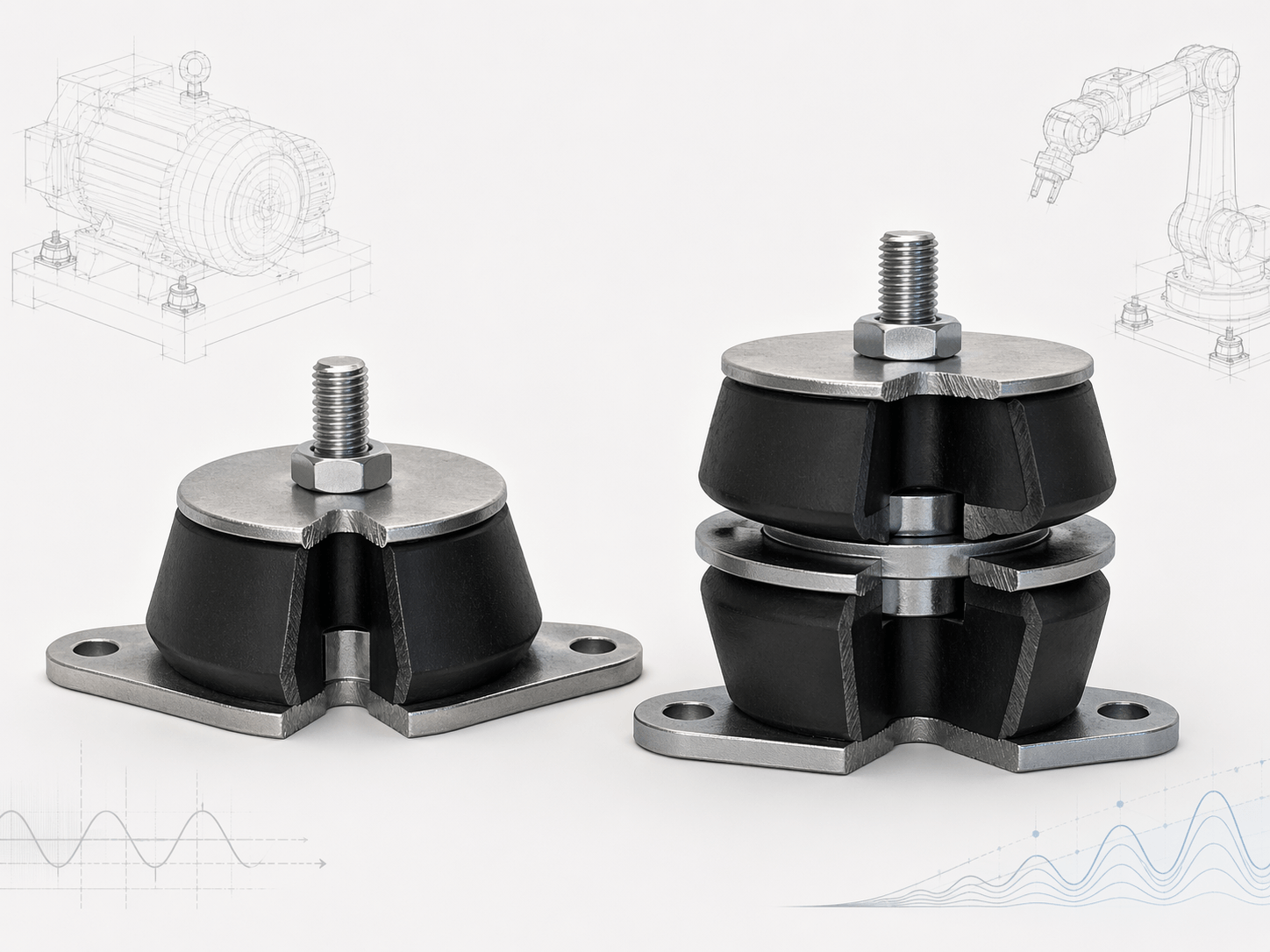
Rubber Shock Mount Design: A Deep Dive into Single Layer vs. Double Layer Structures for Industrial Excellence B055
This article analyzes structural differences between single and double layer Rubber Shock Mount products, offering expert guidance on selection for load, durability, and vibration isolation in diverse industrial environments.
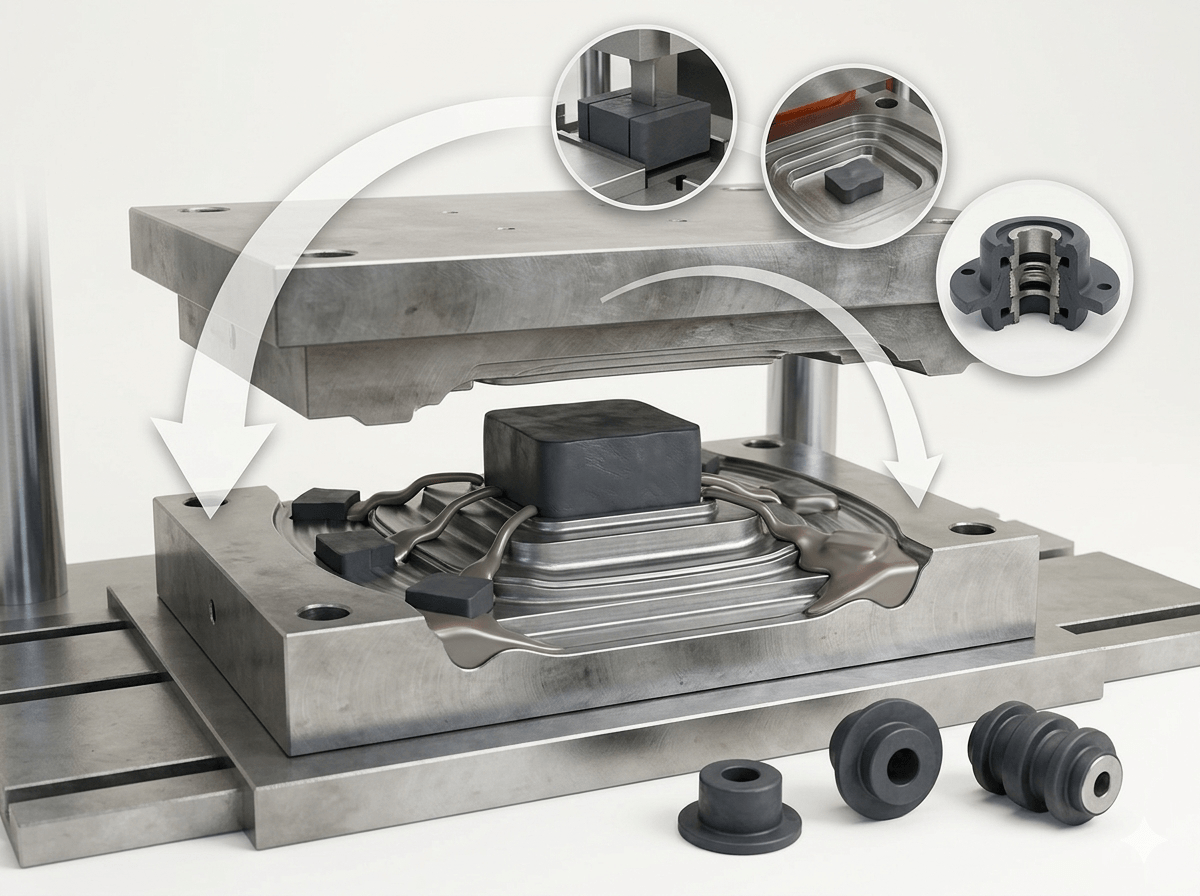
Compression Moulding Process: The Superior Secret to High-Performance Industrial Rubber Damping B054
Discover why the Compression Moulding Process is the gold standard for manufacturing industrial rubber vibration isolators, featuring Ginotek’s expert insights and real-world heavy-duty production cases.
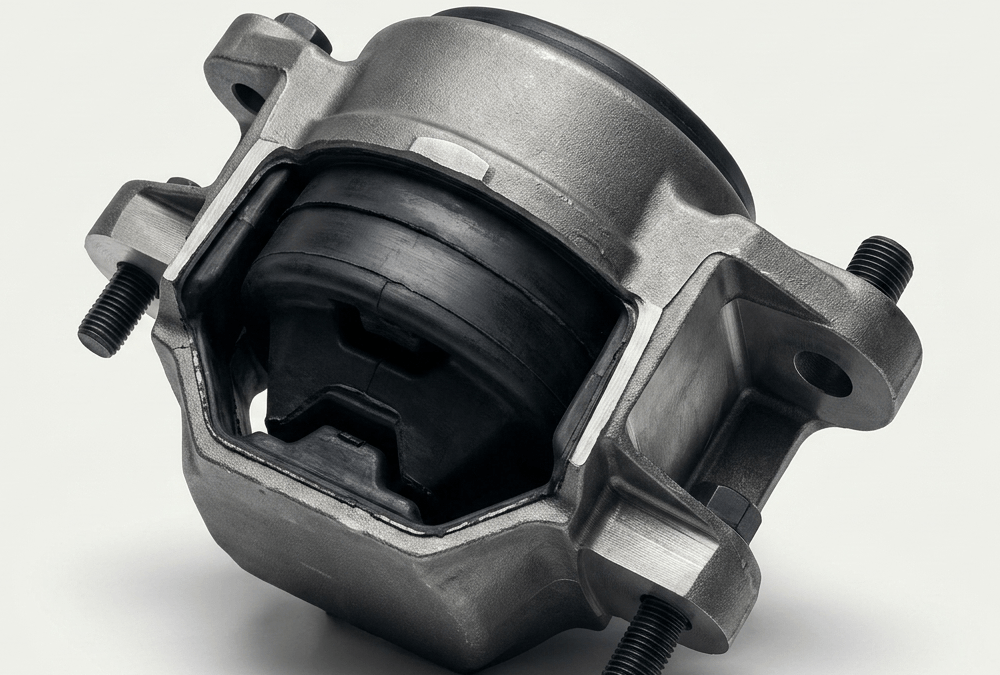
Engine Mount Noise Solutions: Why Ginotek is the Heavy-Duty Choice for Industrial Durability B053
Address severe Engine Mount Noise in commercial and construction machinery with Ginotek’s specialized damping solutions, designed to withstand high-load vibration, prevent rubber fatigue, and ensure long-term industrial reliability.
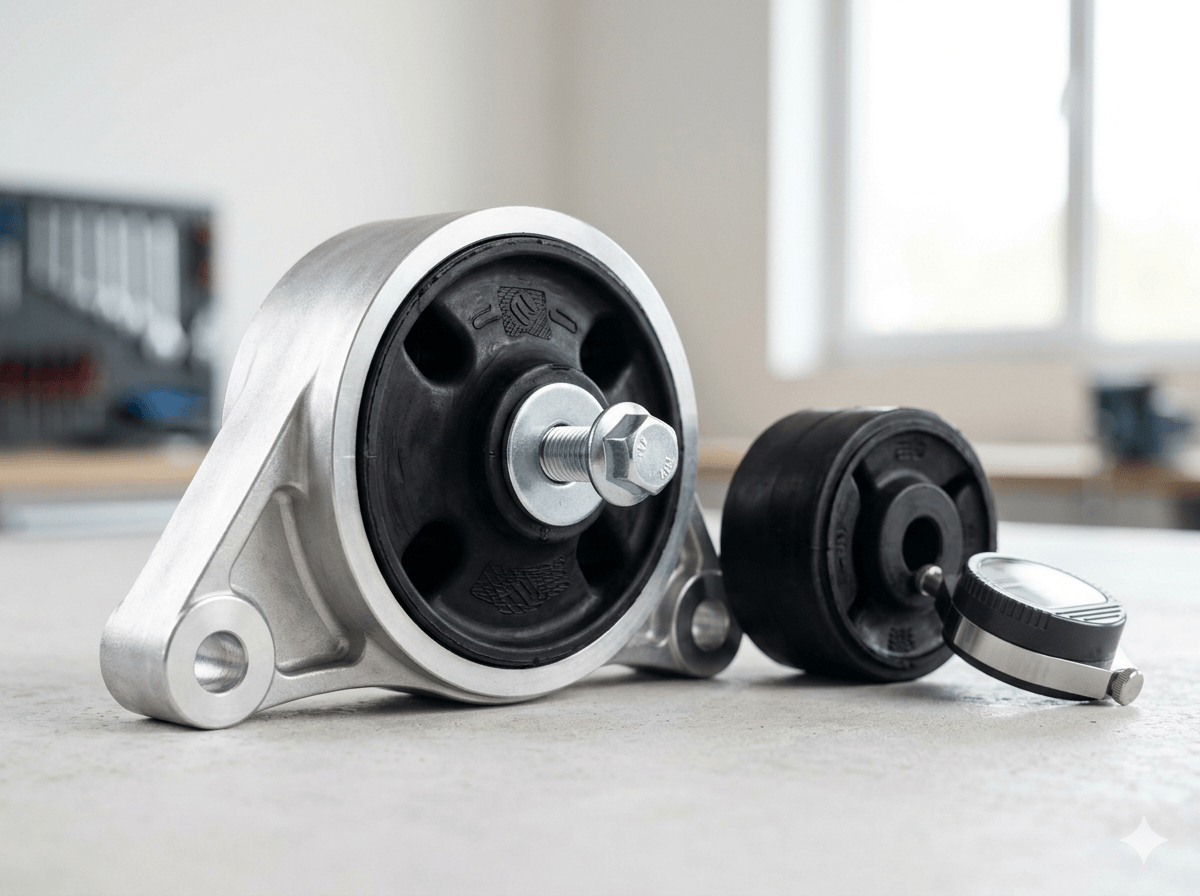
Mounting Brackets and Rubber Hardness: The Essential Guide to Structural Stability and Performance B052
The technical guide explores how rubber hardness dictates the efficacy of Mounting Brackets. We analyze the balance between vibration isolation and structural support, highlighting Ginotek’s specialized manufacturing and customization capabilities.
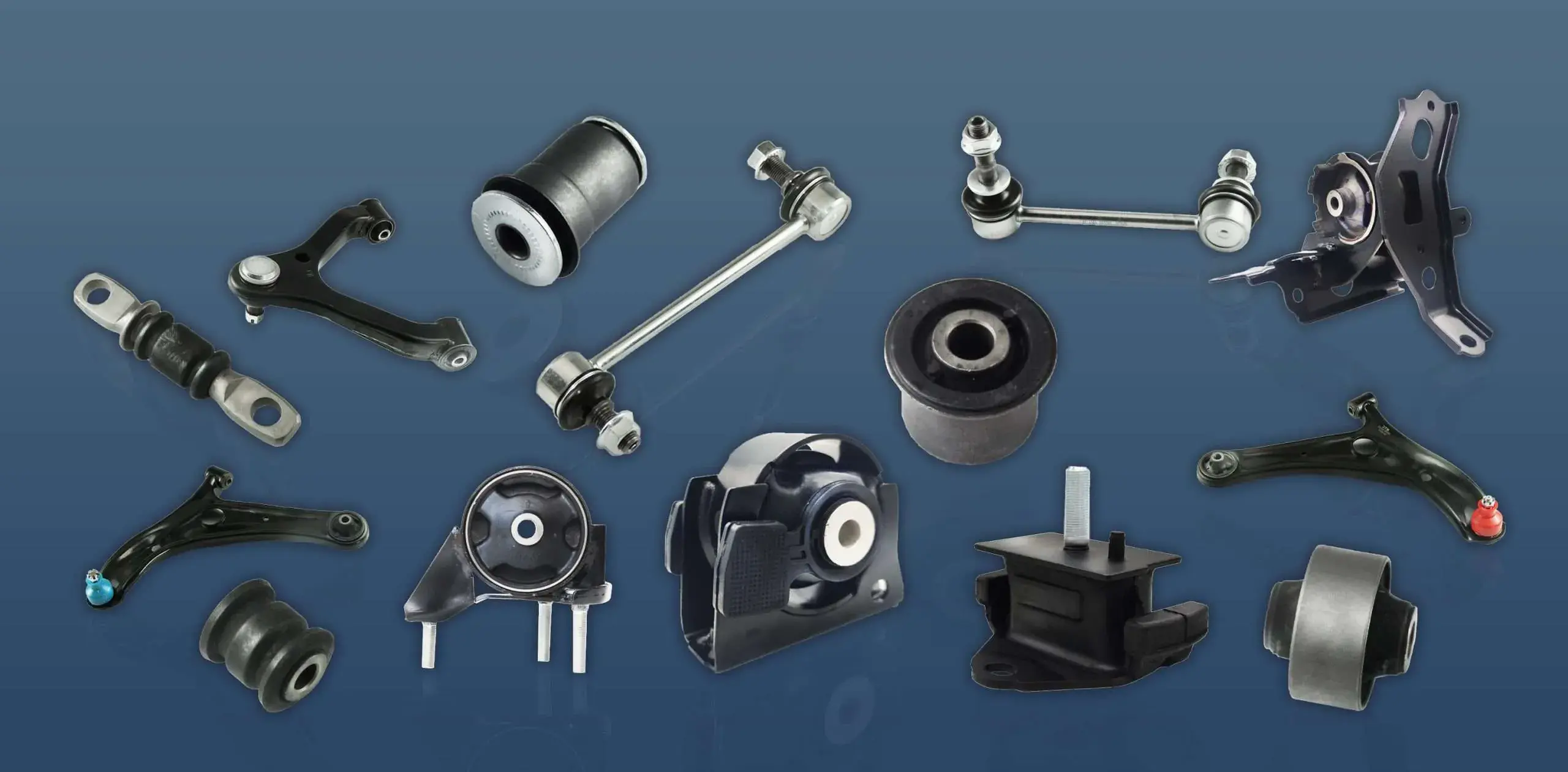
Engine Mount Front Selection Guide: The Ultimate Comparing OEM Rubber vs. Polyurethane for Optimal Performance B051
Choosing the right Engine Mount Front is essential for vehicle stability. This professional analysis compares OEM rubber's comfort with polyurethane's durability, highlighting Ginotek's specialized manufacturing and customization services for global wholesalers.
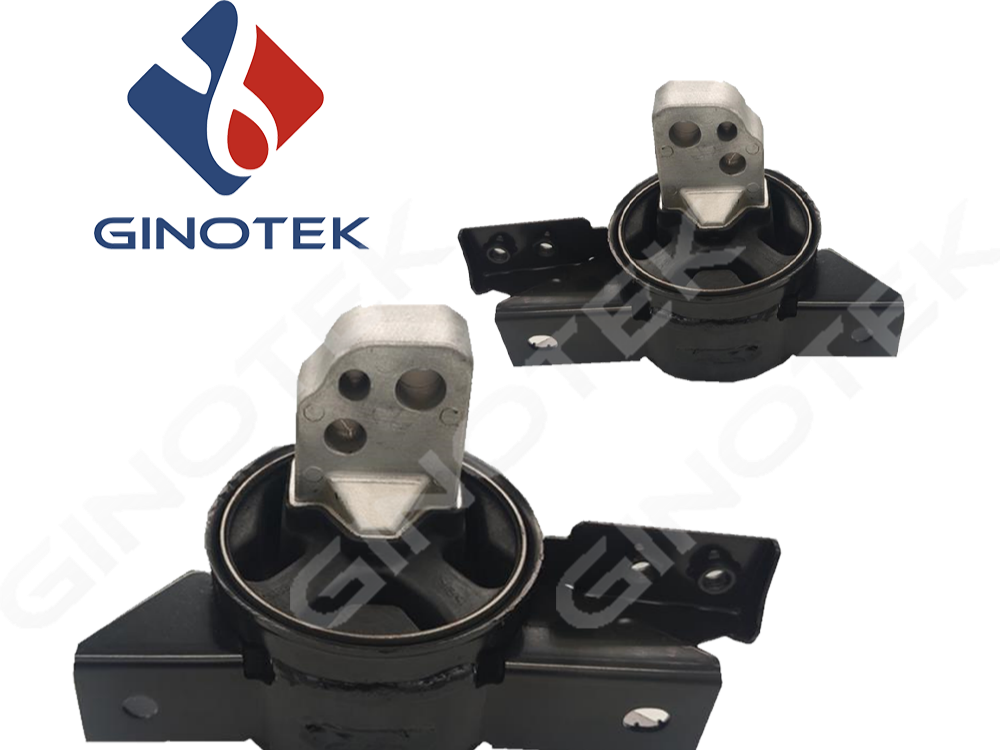
How Long Does It Take to Replace Engine Mounts? DIY vs. Professional Guide & Ginotek’s Solutions B044
Understanding How Long Does It Take to Replace Engine Mounts is essential for vehicle maintenance planning. This guide breaks down the time differences between DIY and professional services, explains the factors causing delays, and highlights how Ginotek’s OEM-grade mounts provide long-term value.
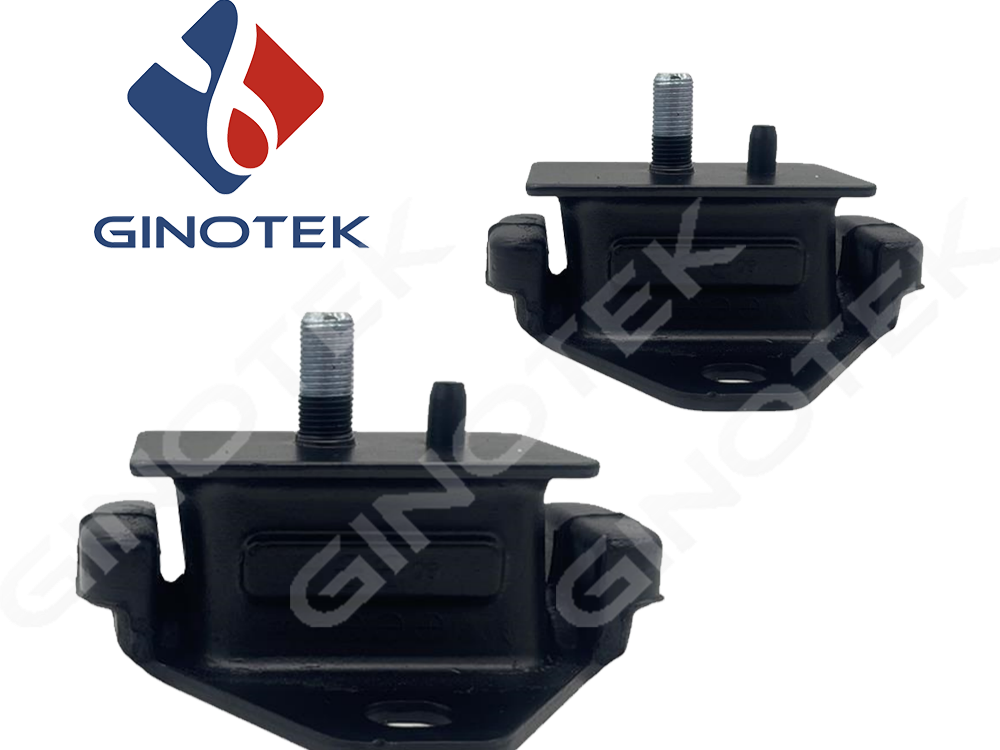
How to Repair Engine Mount: The Ultimate Essential Guide to Critical FWD vs RWD Layout Differences B041
Understanding how to repair engine mount components requires a deep dive into vehicle layouts. This guide explores the mechanical differences between FWD and RWD platforms, offering expert tips on accessibility, torque stress, and choosing high-quality Ginotek components for a vibration-free ride.

Best Material for Vibration Damping: Natural Rubber vs EPDM vs NBR—Which One Should You Choose? B040
This article examines the Best Material for Vibration Damping by comparing natural rubber, EPDM, and NBR. It outlines key performance differences, environmental suitability, and practical selection strategies to help engineers choose the most effective material for specific industrial applications.
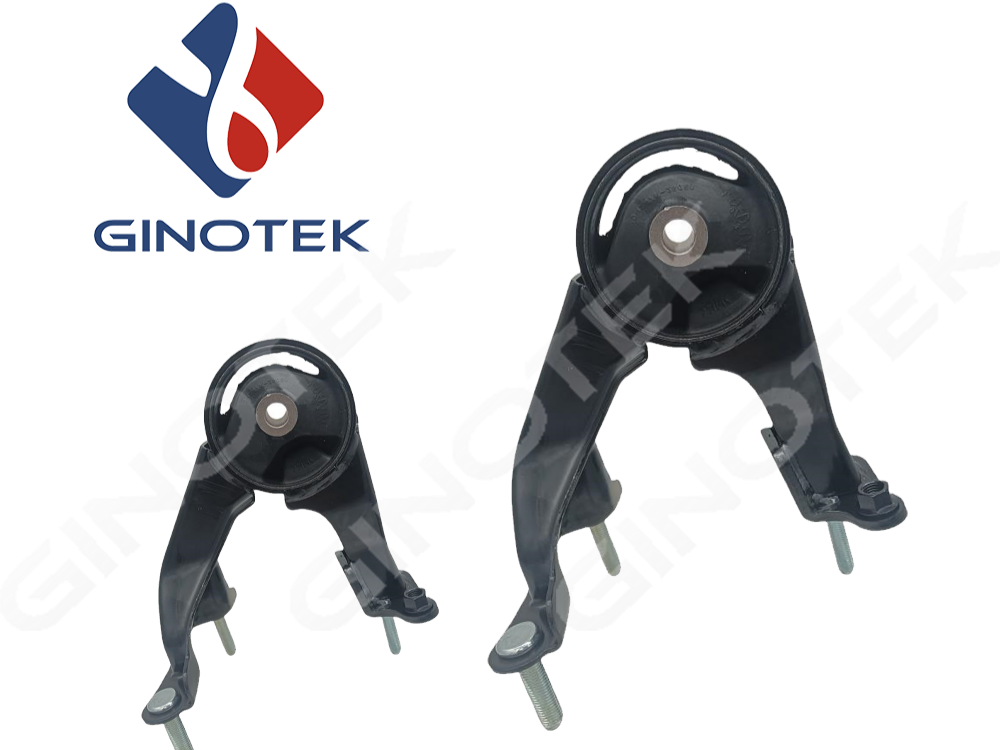
Symptoms of Bad Lower Engine Mount vs. Upper Mount Failure: Key Differences and Dangers B037
Misdiagnosing engine mount issues can be costly. This guide highlights the specific
Symptoms of Bad Lower Engine Mount and upper mount failure, explaining how Ginotek’s high-performance mounts ensure vehicle safety and long-term durability.
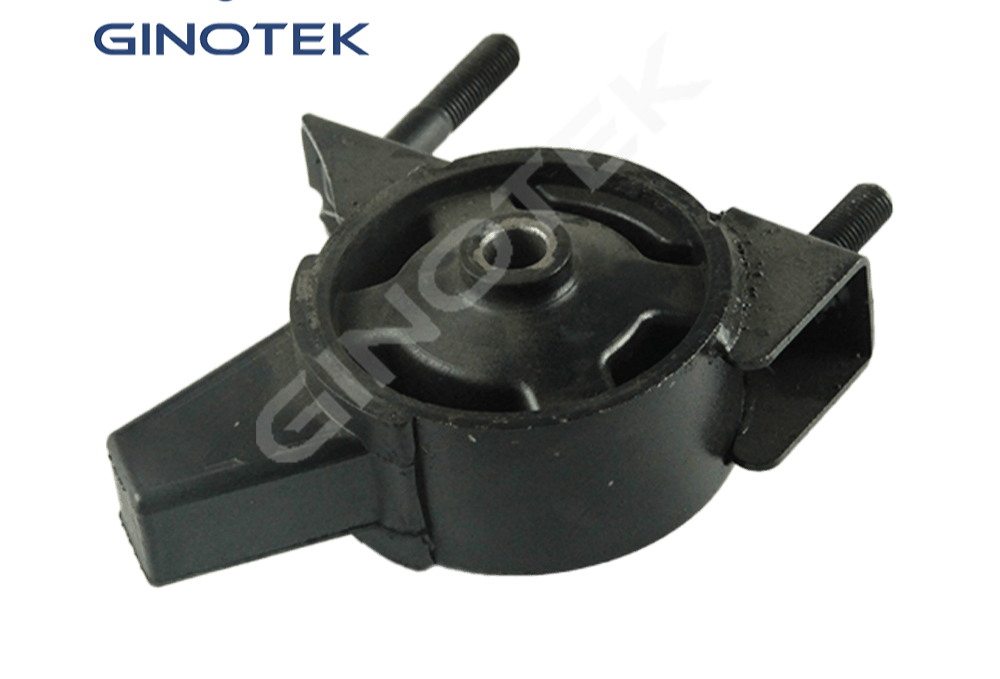
Front Engine Mount Engineering: A Complete and Powerful Guide to Design, Materials, and Testing B035
This technical guide provides an in-depth analysis of Front Engine Mount engineering, focusing on its critical role in automotive vibration control. We explore the transition from traditional rubber components to hydraulic systems, the importance of high-performance elastomers, and the rigorous testing protocols—including fatigue and environmental aging—required to ensure Ginotek-level reliability.
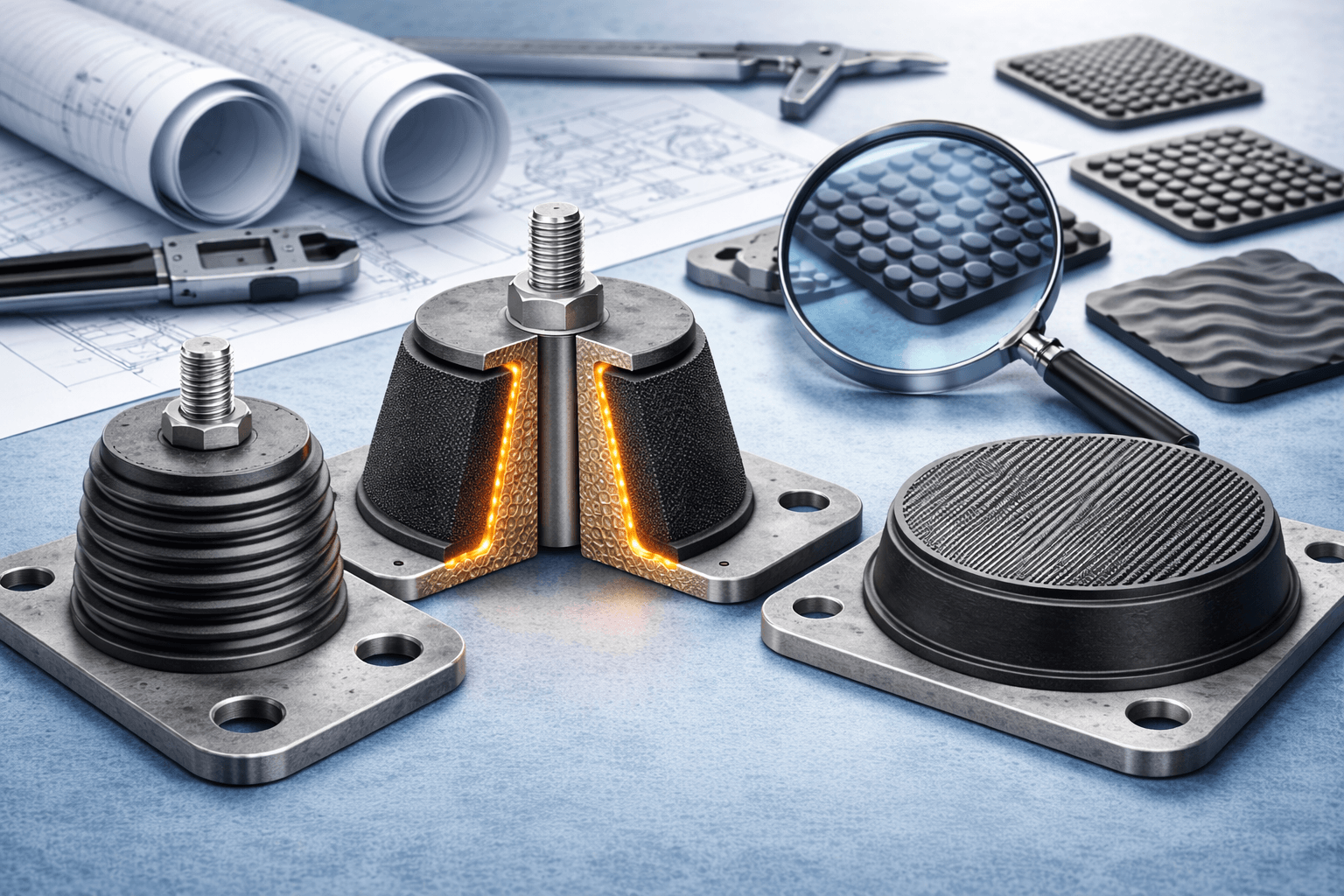
Anti Vibration Mounting and Surface Design: Why Texture is the Secret to Performance B034
This guide examines how surface texture impacts Anti Vibration Mounting performance. It highlights how surface finish affects stiffness, friction, and stress distribution, and explains how different textures improve vibration isolation, stability, and equipment lifespan.

Vibration Mounting Bonding Science: How Ginotek Prevents Separation Under Dynamic Loads B033
The integrity of a vibration mount depends entirely on the bond between the elastomer and the metal substrate. This article examines why bonding failure occurs in high-stress environments and details Ginotek’s advanced multi-stage bonding process—from chemical surface preparation to precision vulcanization—ensuring long-term reliability in industrial, automotive, and elevator applications.
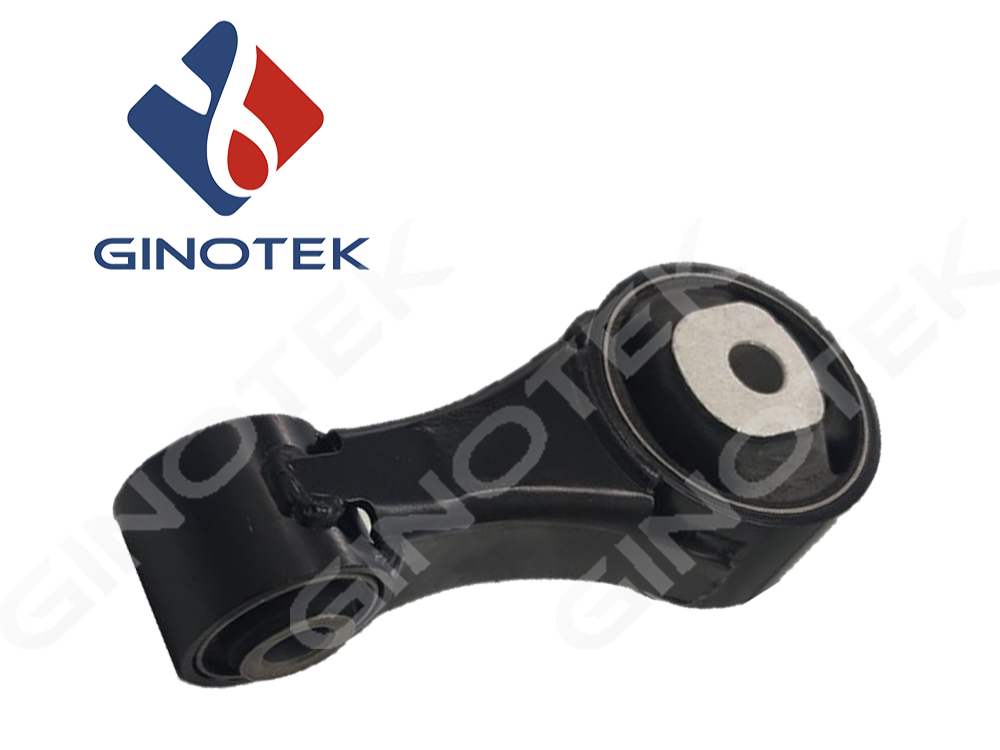
Collapsed Engine Mount Solutions: How Ginotek Engineers for High-Stress Applications B032
Standard engine mounts often fail under extreme thermal and mechanical loads. This article examines causes like overload and heat degradation, and how Ginotek’s custom engineering improves durability, reduces downtime, and protects drivetrain components.
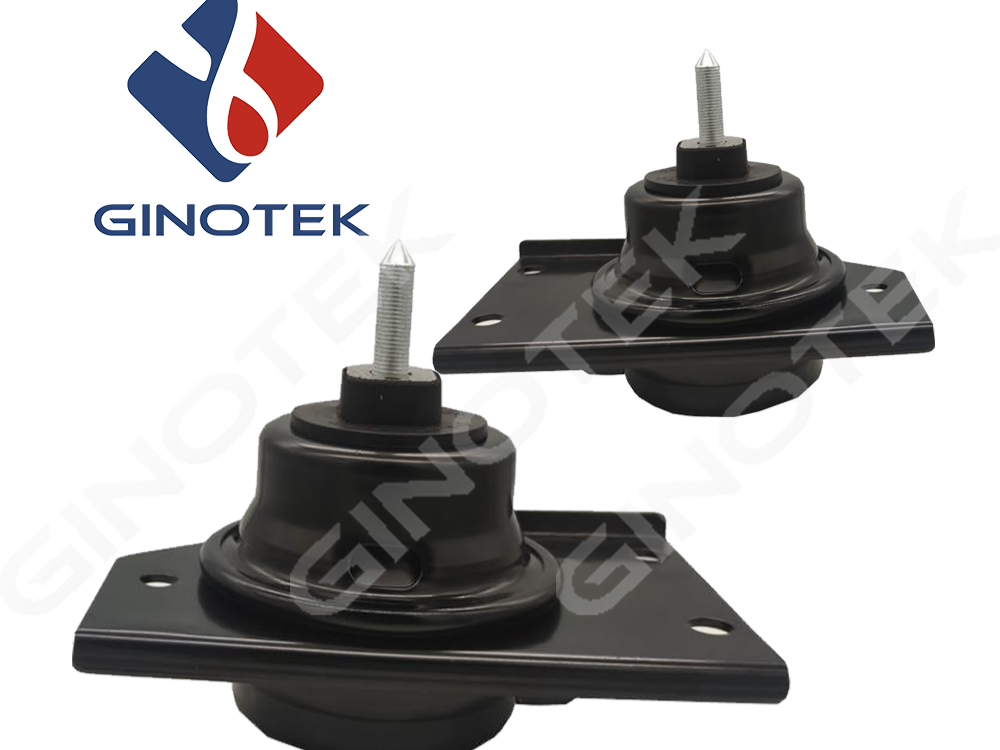
Rubber Vibration Mounts: The Ultimate Comparison of Bonded Rubber-to-Metal vs Pure Rubber Pads—Pros & Cons Explained B031
This Q&A guide compares Rubber Vibration Mounts in bonded rubber-to-metal and pure rubber pad designs, highlighting performance differences, advantages, limitations, and selection tips for industrial applications.
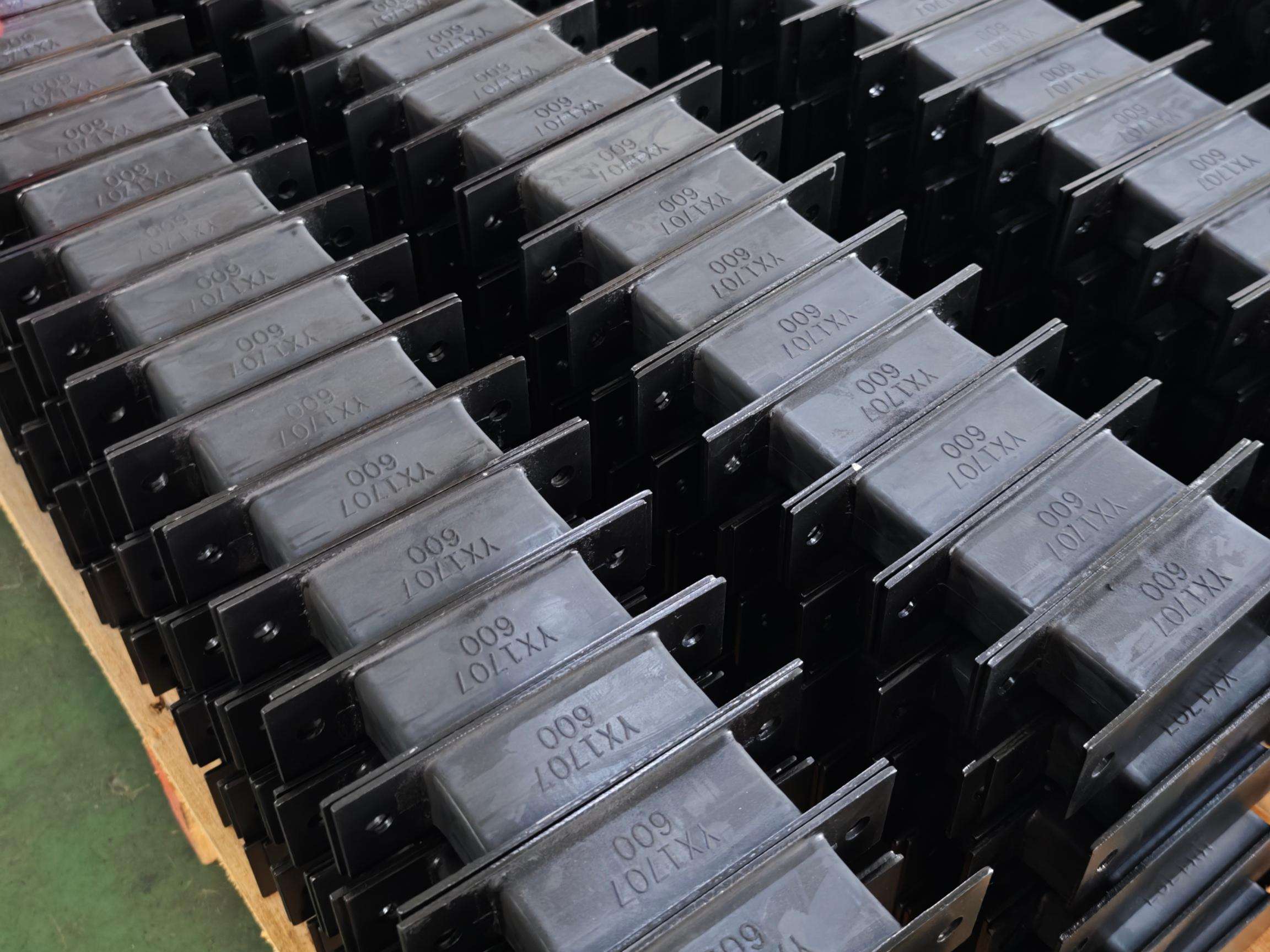
Engine Support Mount Reliability: The Ultimate Guide to Understanding Compression Set and Creep for Industrial Engineering B030
This comprehensive guide examines the critical roles of compression set and creep in the lifespan of an Engine Support Mount. We explore the polymer science behind material deformation, how environmental factors accelerate wear, and why selecting high-performance elastomers is essential for long-term vibration isolation in industrial machinery and automotive applications.
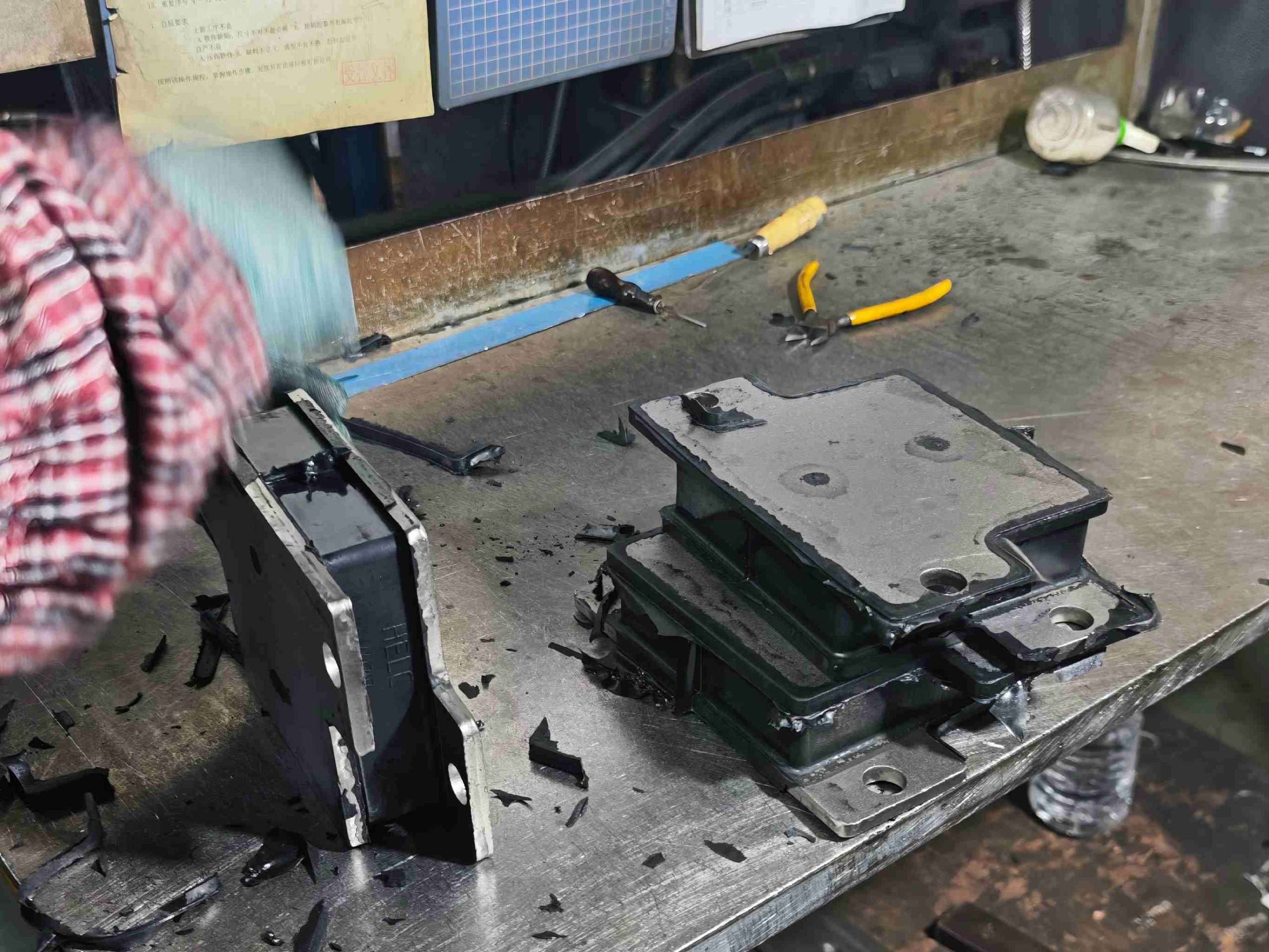
Engine Mount Issues: Eliminating Vibration Problems with Rubber vs. Hydraulic Solutions B023
This comprehensive guide compares traditional rubber mounts with high-tech hydraulic versions, explaining why precision-engineered rubber is frequently the superior choice for long-term reliability and cost-effective repair.
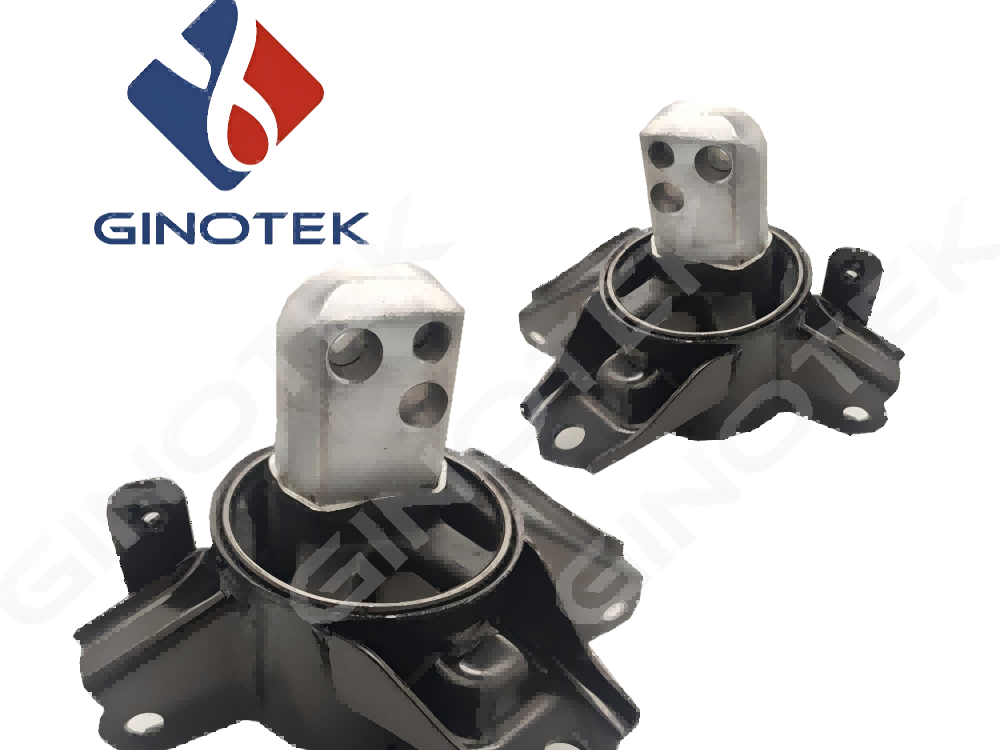
Vibration Dampening Mount: Customised vs Aftermarket Solutions—Which One Should You Choose for the Best Performance? B020
This article explains how to choose the right Dampening Mount, comparing Customised Vibration Dampening Mounts with Aftermarket Dampening Mounting, with a focus on performance, durability, and application-specific benefits.