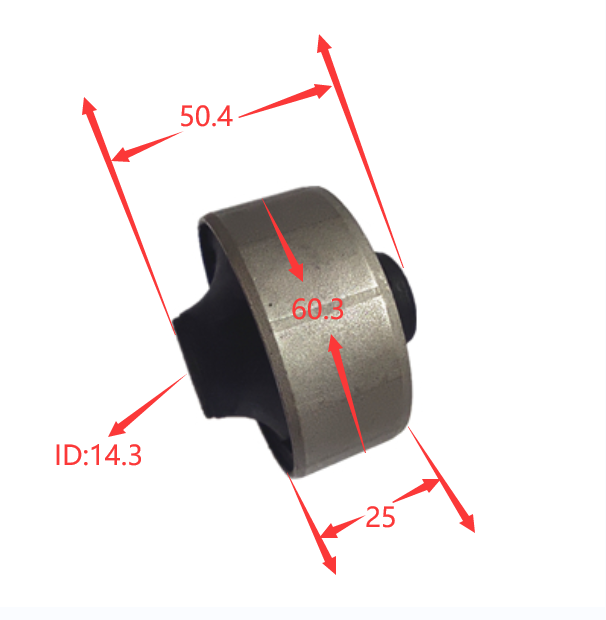
Worn Bushings Symptoms: Causes, Solutions, and Quality Insights D008

In industrial machinery and automotive systems, bushings play a vital role in reducing vibration, minimizing friction, and maintaining structural stability. However, over time, these components can degrade due to stress, environmental factors, and continuous operation. Recognizing worn bushings symptoms early is essential to prevent equipment failure, reduce maintenance costs, and ensure operational safety.
What Are Bushings?
Bushings are cylindrical components typically made from rubber, polyurethane, or composite materials bonded with metal. They are used to cushion moving parts, absorb shocks, and isolate vibration between mechanical components.
In both industrial and automotive applications, bushings are commonly found in suspension systems, engine mounts, control arms, and machinery joints. Their primary function is to provide flexibility while maintaining alignment and reducing wear between metal parts.
Functional Applications of Bushings
Bushings are essential across multiple industries due to their vibration control and load management capabilities:
- Automotive Systems:Suspension bushings improve ride comfort and stability.
- Industrial Machinery:Reduce vibration in equipment such as compressors and pumps.
- Construction Equipment:Enhance durability under heavy loads and harsh conditions.
- Power Generation:Minimize vibration in generators and rotating equipment.
In all these applications, preventing worn bushings symptoms is critical for maintaining efficiency and safety.
Common Worn Bushings Symptoms
Identifying worn bushings symptoms at an early stage can significantly extend the life of equipment and prevent costly breakdowns. Below are the most common indicators:
1. Excessive Vibration
One of the most noticeable worn bushings symptoms is increased vibration. As the rubber material deteriorates, it loses its ability to absorb shocks effectively, allowing vibrations to transfer directly to the structure or chassis.
2. Unusual Noise
Squeaking, clunking, or rattling sounds are clear signs of worn bushings symptoms. These noises occur when there is increased metal-to-metal contact due to reduced cushioning.
3. Misalignment and Instability
Worn bushings can lead to improper alignment of components. This results in unstable operation, uneven load distribution, and decreased efficiency.
4. Visible Cracks or Deformation
Physical inspection may reveal cracks, hardening, or deformation in the rubber material. These visible defects are strong indicators of worn bushings symptoms and signal the need for replacement.
5. Reduced Handling Performance
In automotive or machinery applications, worn bushings symptoms often include reduced control, especially under dynamic conditions. This can compromise safety and operational precision.
Causes of Bushing Wear
Understanding the causes behind worn bushings symptoms helps in selecting better materials and improving product lifespan:
- Continuous Mechanical Stress:Repeated movement and load cycles cause material fatigue.
- Environmental Exposure:Heat, ozone, UV radiation, and chemicals accelerate degradation.
- Poor Material Quality:Low-grade rubber compounds wear out faster and lose elasticity.
- Improper Installation:Incorrect fitting can lead to uneven stress distribution.
Manufacturing Process of High-Quality Bushings
Producing reliable bushings requires precise control over materials and processes:
1. Material Selection
High-performance rubber compounds are chosen based on application requirements. Natural rubber offers excellent elasticity, while synthetic options provide resistance to oil and heat.
2. Compounding
Rubber is blended with reinforcing fillers, curing agents, and anti-aging additives. This step enhances durability and resistance to environmental factors.
3. Metal Bonding
Advanced bonding techniques ensure strong adhesion between rubber and metal components, preventing separation under stress.
4. Molding and Vulcanization
Bushings are shaped using compression or injection molding, followed by vulcanization to improve strength, elasticity, and wear resistance.
5. Testing and Inspection
Strict quality checks are conducted to evaluate hardness, tensile strength, elongation, and fatigue resistance.
How Ginotek Controls Bushing Quality
To effectively reduce worn bushings symptoms, Ginotek focuses on strict quality control throughout the entire production process. With over 36 years of manufacturing experience, the company has developed a systematic approach to ensure consistent product performance.
Advanced Material Formulation
Ginotek uses independently developed rubber formulations tailored for different applications. These formulations enhance resistance to wear, heat, and environmental degradation, directly addressing common worn bushings symptoms.
Precision Manufacturing
State-of-the-art production equipment ensures accurate molding and consistent dimensions. This precision reduces installation issues and prevents uneven stress distribution.
Strong Bonding Technology
Ginotek applies advanced rubber-to-metal bonding techniques, ensuring long-lasting structural integrity even under high dynamic loads.
Comprehensive Testing Systems
Each batch undergoes rigorous testing, including fatigue tests, vibration analysis, and environmental simulations. These tests ensure that the products can withstand real-world conditions without premature failure.
Strict Quality Management
From raw material inspection to final product delivery, every stage is carefully monitored. This systematic approach minimizes defects and guarantees stable performance.
Solutions and Preventive Measures
To avoid worn bushings symptoms, manufacturers and users should:
- Conduct regular inspections and maintenance
- Select high-quality bushings from reliable manufacturers
- Ensure proper installation and alignment
- Choose materials suitable for specific operating conditions