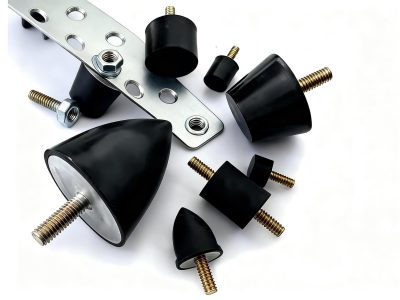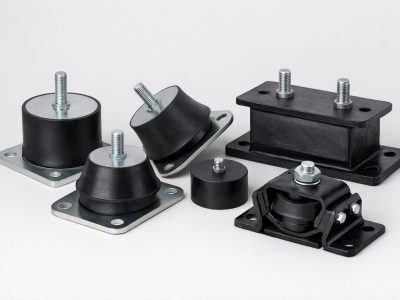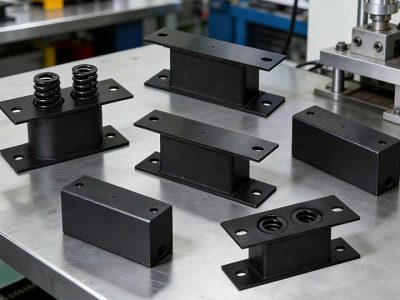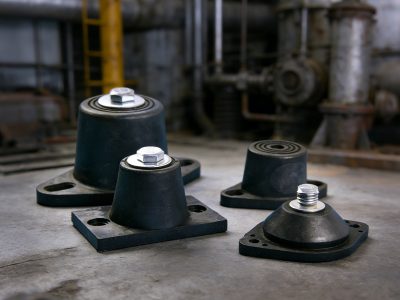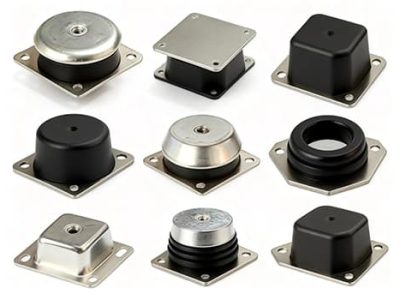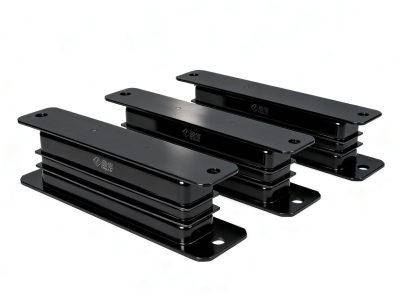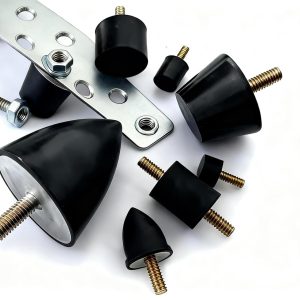
Rubber To Metal Bonding Production Technology
- Structure-Focused Engineering Design
- Rubber Material Selection for Reliable Performance
- Precision Mold Design and Tooling Accuracy
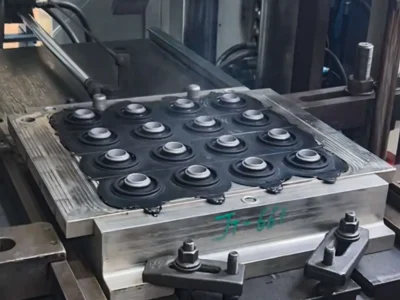
- Controlled Vulcanization Process
- Application-Specific Customization
- Surface Design and Load Distribution
- Quality Inspection and Performance Validation
Rubber to Metal Bonding Production Solution - Ginotek Bonding Technology
Key Features of Yinxin Rubber in :
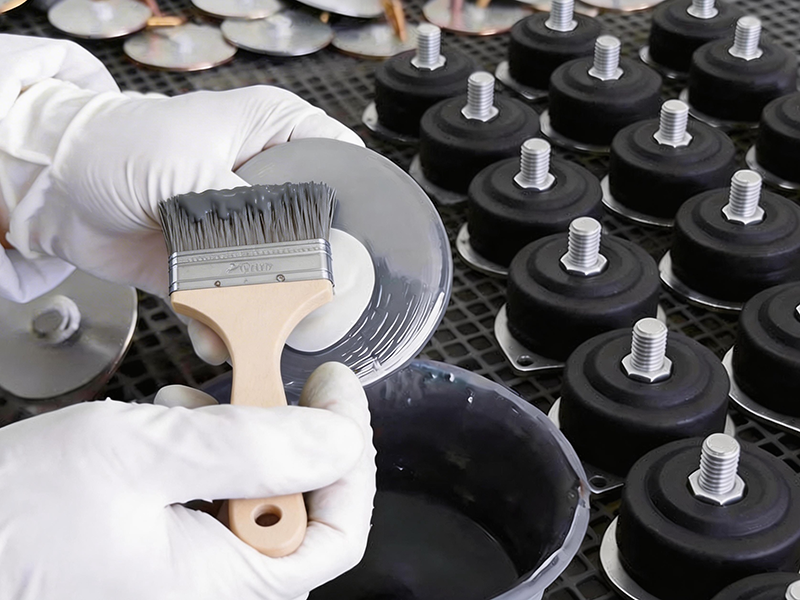
Stable and Reliable Pre-Treatment Process
We adopt a three-step method of sandblasting, chemical passivation, and specialized adhesive application, strictly controlling metal surface roughness to ensure a solid bonding foundation from the source.Specialized Formulations with High Bond Strength
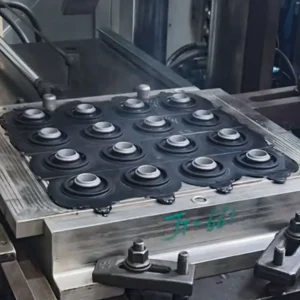
Leveraging 22 patented technologies, we develop custom rubber-to-metal bonding formulations with adhesion enhancers to form stable chemical bonds that resist delamination.High Precision and Consistency in Vulcanization
Temperature, pressure, and time are precisely controlled in a closed-loop system. Our stepwise vulcanization process prevents under-curing or over-curing that could compromise the bond.Full-Process Traceability and Strict Quality Control
Operating under ISO9001 standards, every step from raw materials to finished products is fully traceable. Each batch is sampled and tested to ensure stable and consistent quality.Comprehensive and Effective Testing Methods
Our testing covers surface roughness, tensile and shear strength, peel tests, high/low temperature cycling, salt spray, fatigue vibration, and SEM microstructural analysis, ensuring adhesion strength, durability, and corrosion resistance meet requirements.Strong Adaptability to Extreme Conditions
Our bonded products can withstand temperatures from -40°C to 120°C, salt spray environments, and high-frequency vibrations. Long-term use does not lead to delamination and has been validated in mass production by leading customers.Customized Post-Treatment to Enhance Service Life
Optional post-treatments, such as stress relief annealing and protective coatings, further improve product stability and longevity.
Contact us for Vibration Control Solutions
Ginotek Service for Vibration Control
Importance of Rubber to Metal Bonding
The core value of Rubber to Metal Bonding in vibration and noise reduction lies in several key aspects:
Efficient Vibration Isolation
The metal provides structural support while the rubber absorbs vibration energy. Proper bonding ensures that vibrations are not transmitted through the interface, effectively reducing noise.
Durability and Safety
If the bond is weak, the rubber may detach from the metal, leading to vibration failure or even mechanical damage. High-strength bonding ensures reliable performance over long-term use and under extreme conditions.
Adaptability to Extreme Operating Conditions
Industrial equipment, automotive engines, and other machinery often operate under high/low temperatures, humidity, and high-frequency vibrations. High-quality bonding guarantees stable performance under these challenging conditions.
Enhanced User Experience and Equipment Lifespan
In automotive applications, effective bonding reduces NVH (Noise, Vibration, Harshness), improving driving comfort.
In industrial machinery, it lowers failure rates and maintenance costs, increasing operational efficiency.
The Value of GINOTEK’s Rubber to Metal Bonding Technology in High-Performance Custom Rubber
GINOTEK Rubber to Metal Bonding technology delivers significant value in high-performance custom rubber applications, especially in complex engineering use cases where reliability and tailored performance are critical.
1. Achieving High-Strength, Long-Term Reliable Composite Structures
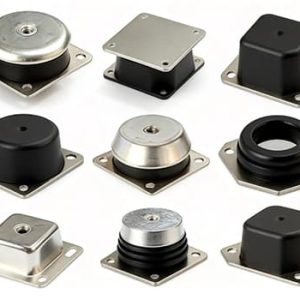
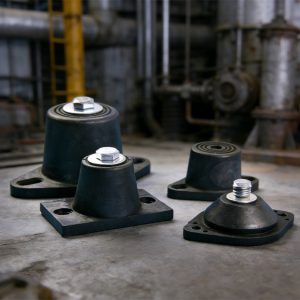
Rubber to Metal Bonding enables a strong and permanent bond between rubber materials and metal components through chemical adhesion or vulcanization processes. Compared to mechanical fixing, this method prevents rubber detachment or failure under dynamic loads. High-strength bonding is essential for components exposed to repeated vibrations or impact loads, such as engine mounts and industrial vibration isolators.
2. Significantly Enhancing Functional Performance
Rubber‑metal composite parts typically offer:
Excellent vibration and noise damping
Improved fatigue resistance and durability
Greater structural strength and load-bearing capacity
These properties are particularly critical in automotive, industrial machinery, and construction equipment applications, reducing maintenance, extending service life, and improving overall system reliability.
3. Custom Design & Precision Performance Control
GINOTEK’s technology combines precision molds, optimized rubber formulations, and advanced surface treatment to allow precise control of:
Rubber hardness and elasticity
Bonding layer thickness and geometry
Contact geometry and load distribution
This enables tailor-made solutions for specific operating conditions and allows adjustments for oil resistance, heat resistance, chemical resistance, and damping performance, creating highly customized high-performance rubber components.
Why Choose Us?
Over 30 years of industrial vibration expertise
22+ patented rubber-metal bonding formulations
Full ISO9001 quality compliance
Custom solutions for challenging applications
With our Rubber to Metal Bonding, you don’t just get parts—you get reliable, long-lasting solutions that protect your equipment, reduce maintenance costs, and improve performance. Partner with us to optimize your vibration isolation today.
You must be logged in to post a review.
Related products
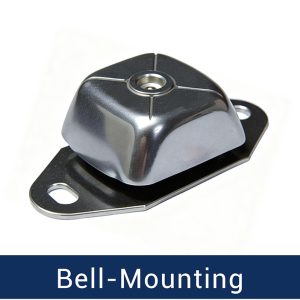
Bell-Mounting V005
Custom Rubber Isolator A04
Custom Rubber Molding A02
Cylindrical Shock Mounts A07
OEM Rubber Parts Manufacturer A01
- Engineering-Oriented Product Structure Design
- Rubber Material Selection Based on Application Needs
- Precision Mold Design and Tooling Capability
- Integrated Rubber-to-Metal Solutions
- Controlled Manufacturing and Vulcanization Process
- OEM Customization and Production Flexibility
- Quality Control and Performance Validation
Reviews
There are no reviews yet.