
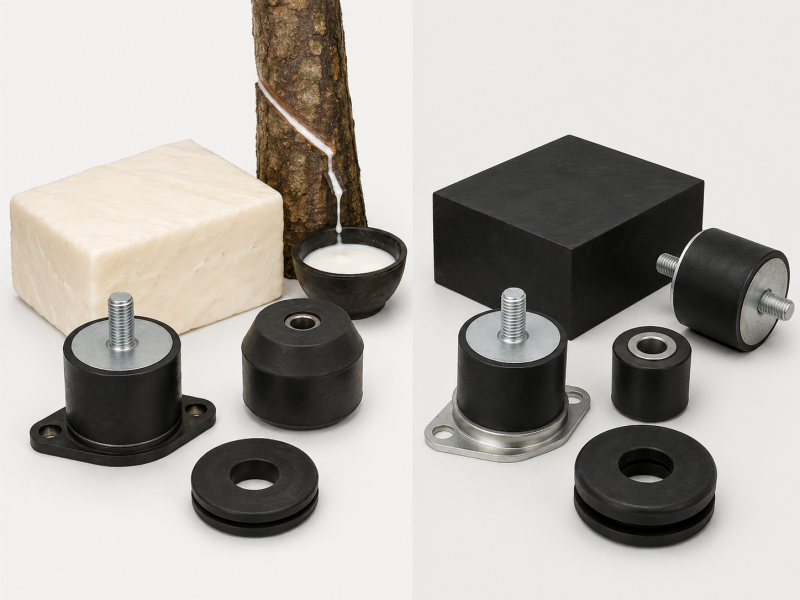
Natural Rubber vs Synthetic Rubber: 8 Critical Differences in Vibration Damping Performance B001











Related Posts
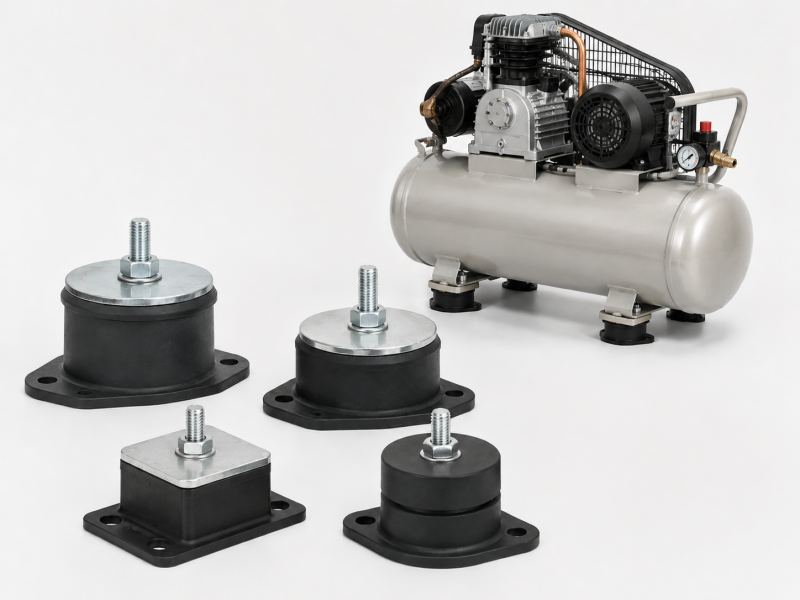
Rubber Isolator Mounts for Air Compressor: Guide to Prevent Costly Failures B084
This guide evaluates NBR, EPDM, and Neoprene to help you select the ideal Rubber Isolator Mounts for Air Compressor, focusing on oil resistance, weatherability, and industrial vibration dampening performance.
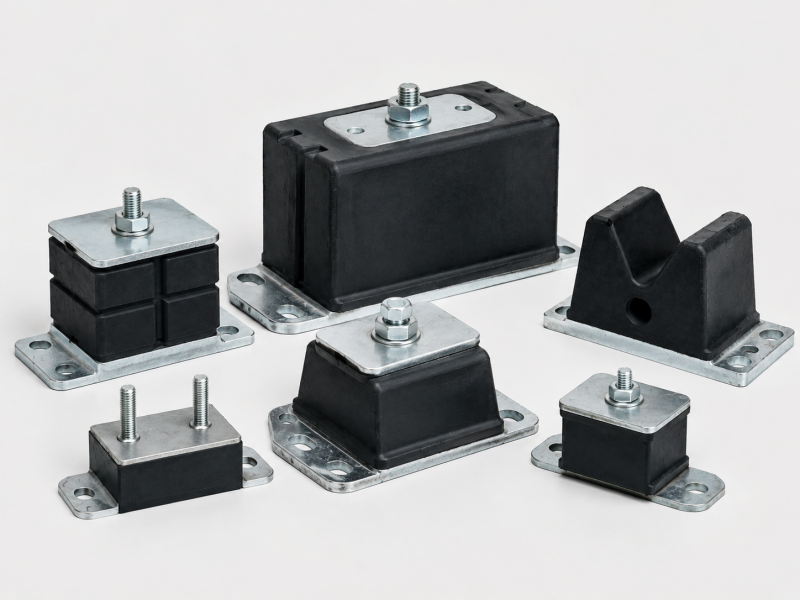
Rubber Mounting Blocks for Marine: Superior Solutions B083
This article details why high-performance Rubber Mounting Blocks are essential for marine applications, highlighting Ginotek's advanced EPDM formulations that provide unmatched durability against salt, UV, and intense mechanical vibration.

Solution for Noise Pollution: How Advanced Damping Technology Silences Heavy Construction Machinery B060
This article explores a comprehensive Solution for Noise Pollution in urban construction, detailing how specialized rubber mounts significantly reduce vibration and operational noise in excavators and concrete mixers.
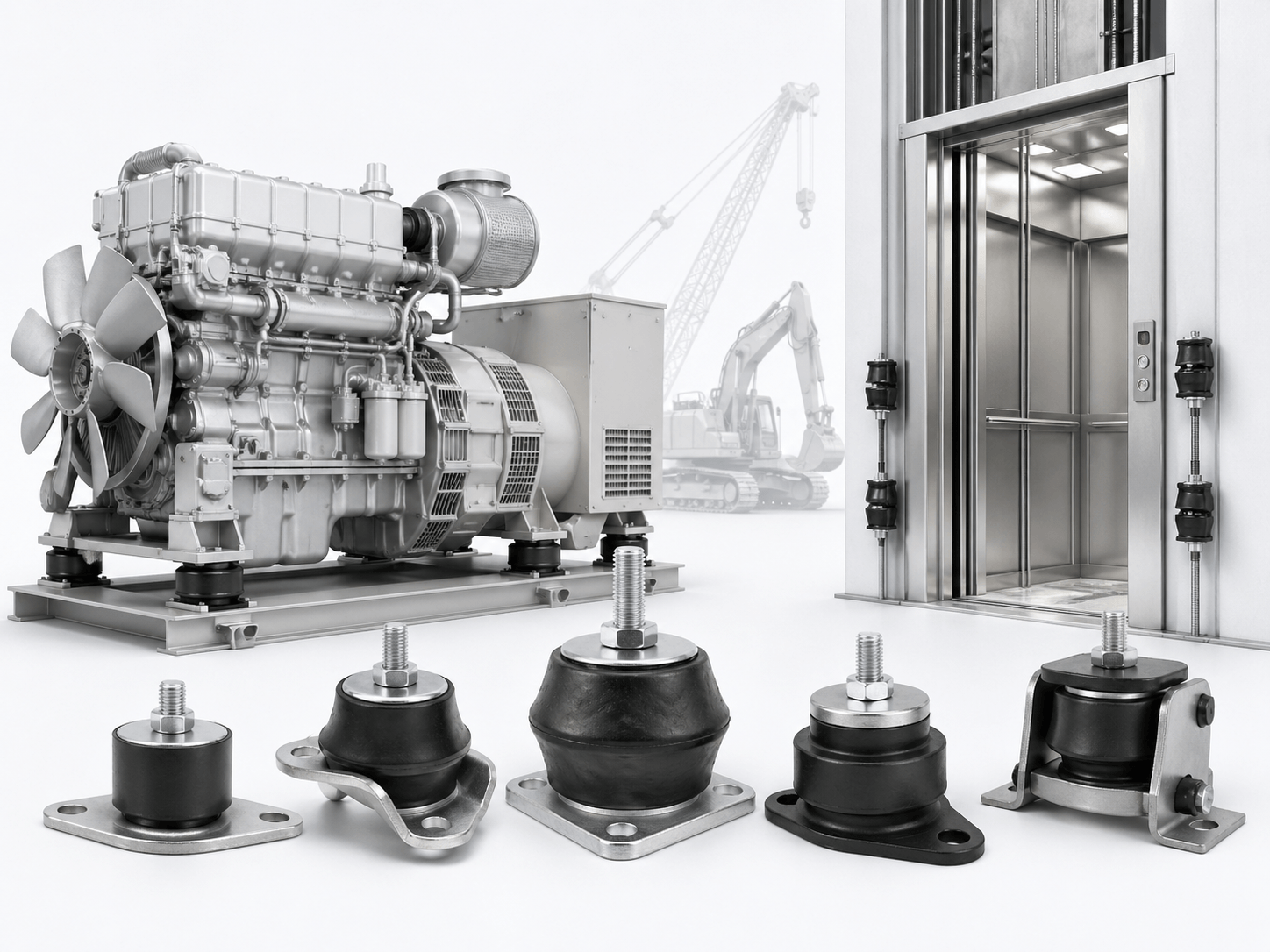
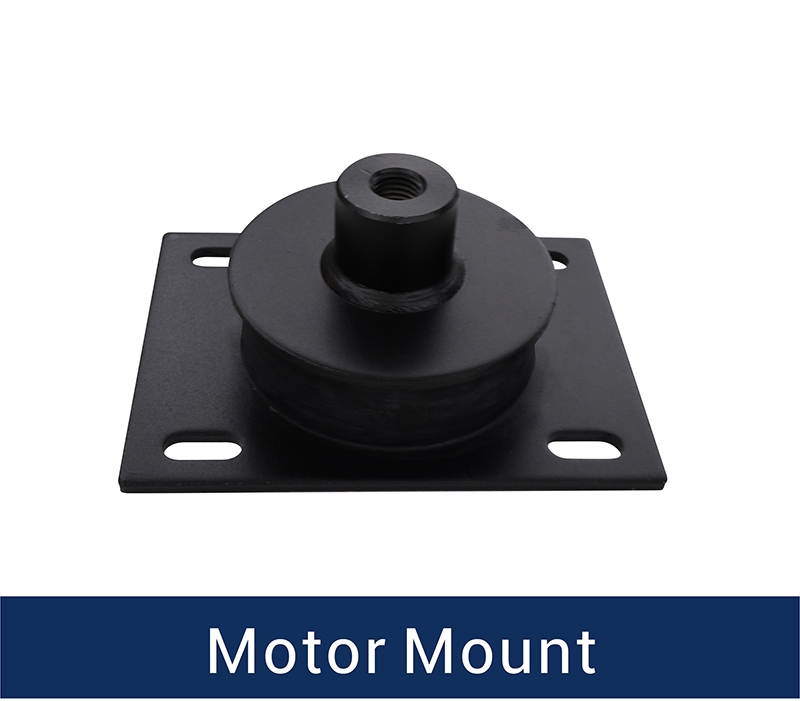
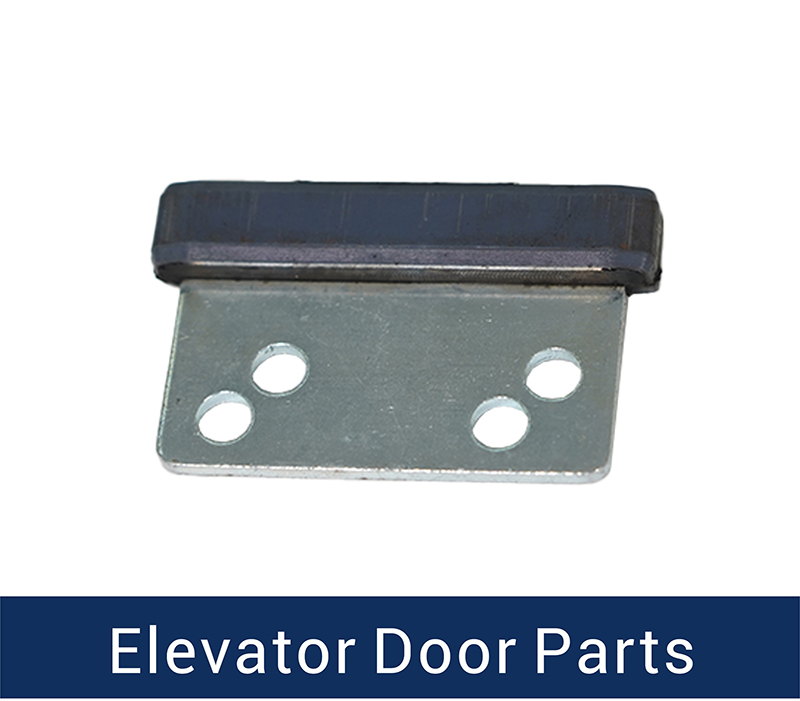
Purpose of Engine Mounts: Custom Rubber Solutions for Special Machinery & Elevator Equipment B058
This article explains the Purpose of Engine Mounts in custom rubber solutions for machinery and elevators, highlighting vibration control, noise reduction, load support, and the advantages of tailored materials and designs.
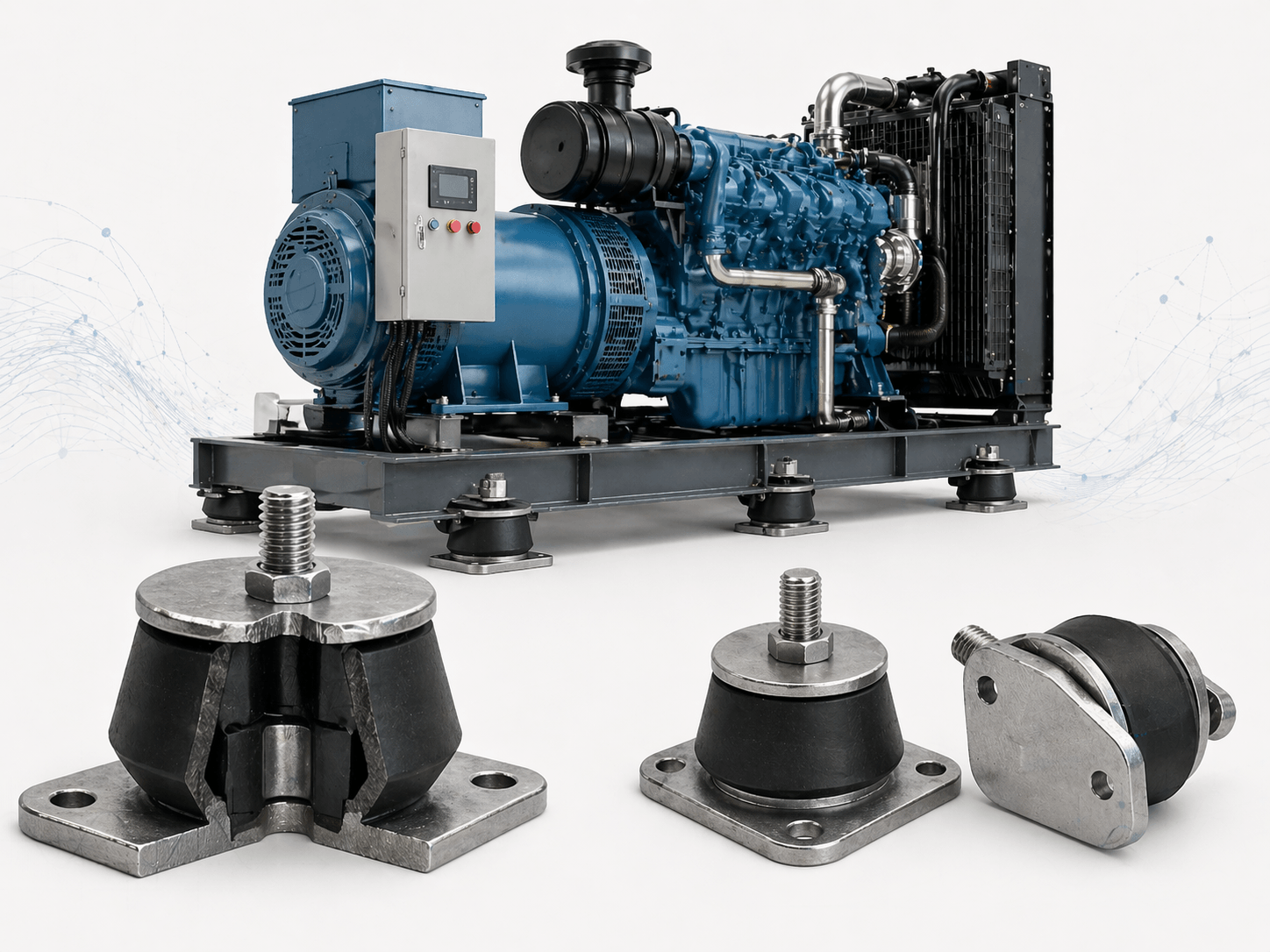
Generator Anti Vibration Mounts: Why Integrated Metal-Rubber Design is the Ultimate Solution for Industrial Power Units B056
This article explores the structural advantages of integrated metal-rubber Generator Anti Vibration Mounts, analyzing how Ginotek’s vulcanized design solves common vibration, noise, and durability issues in modern industrial generator sets.
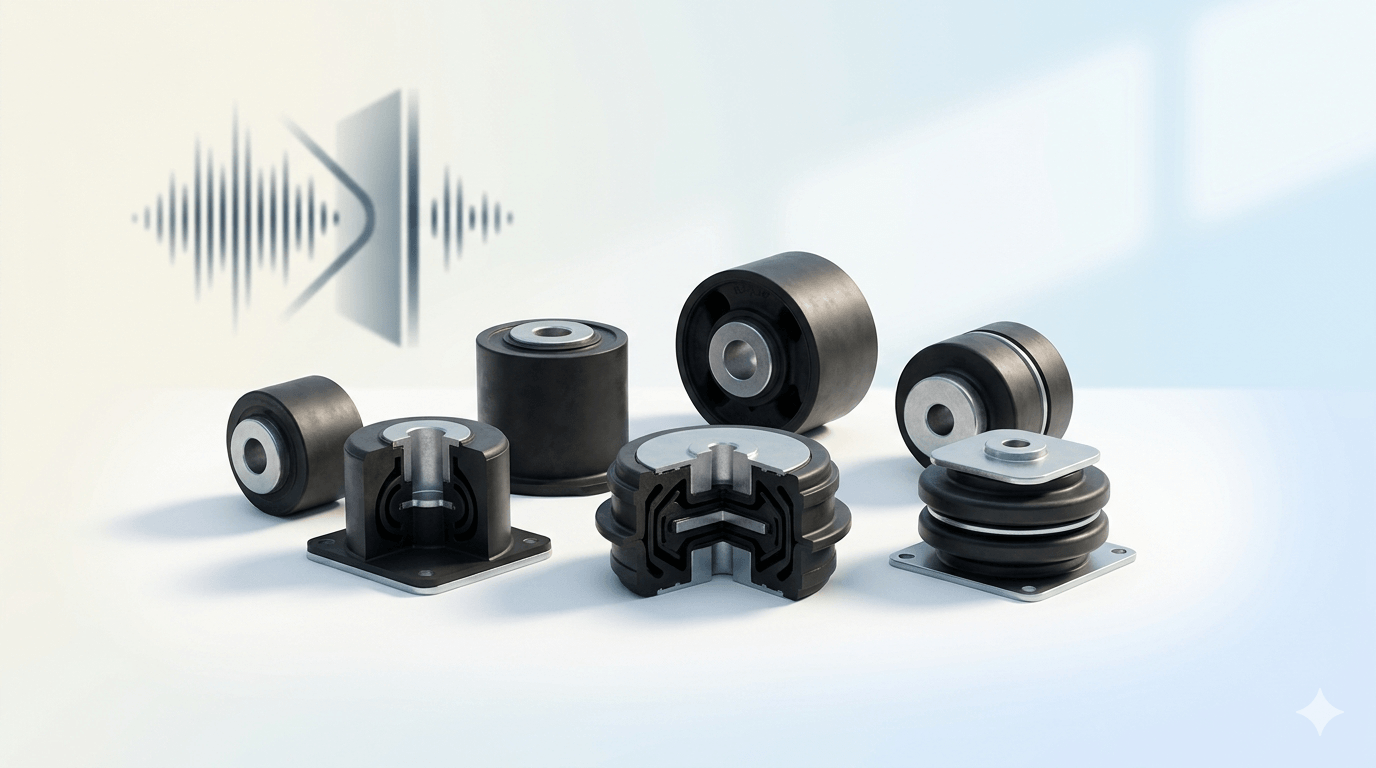
Ways to Solve Noise Pollution with Advanced Rubber Bushings and Mountings: The Ultimate Guide B046
Explore effective Ways to Solve Noise Pollution using rubber bushings and mountings to isolate vibration and protect equipment.
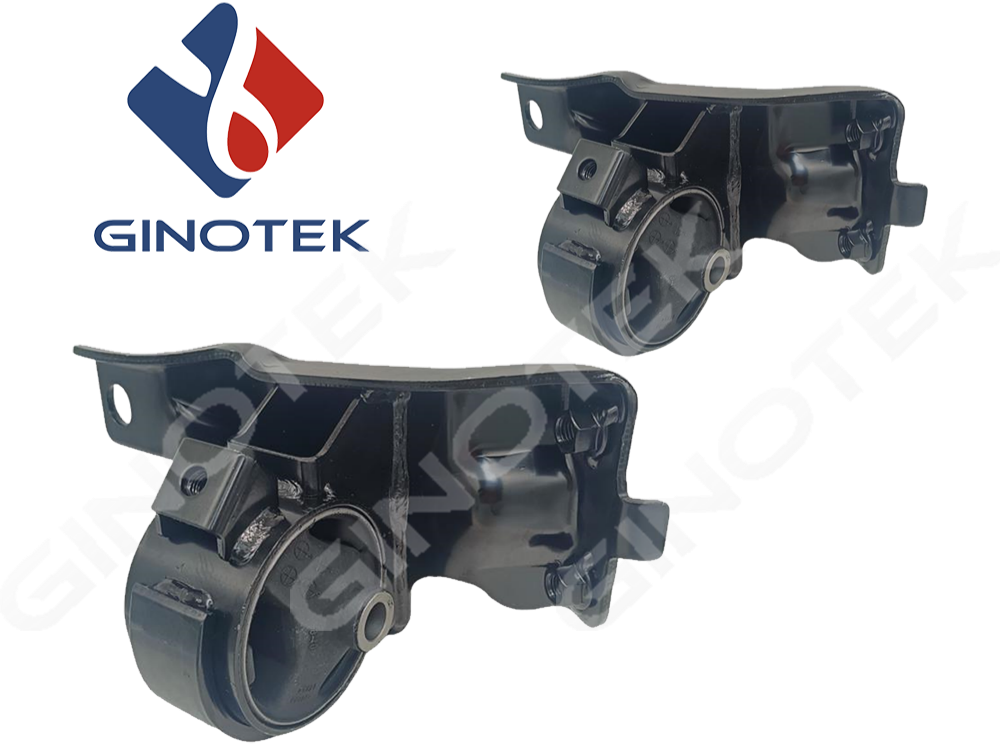
What Is A Rubber Used for in Modern Industrial Machinery and Equipment? The Ultimate Guide B038
Discover the vital roles of rubber in industrial settings. From leak prevention to vibration control, this guide explores
What Is A Rubber Used for, highlighting its essential functions in maintaining machinery longevity, safety, and high-performance output across various sectors.
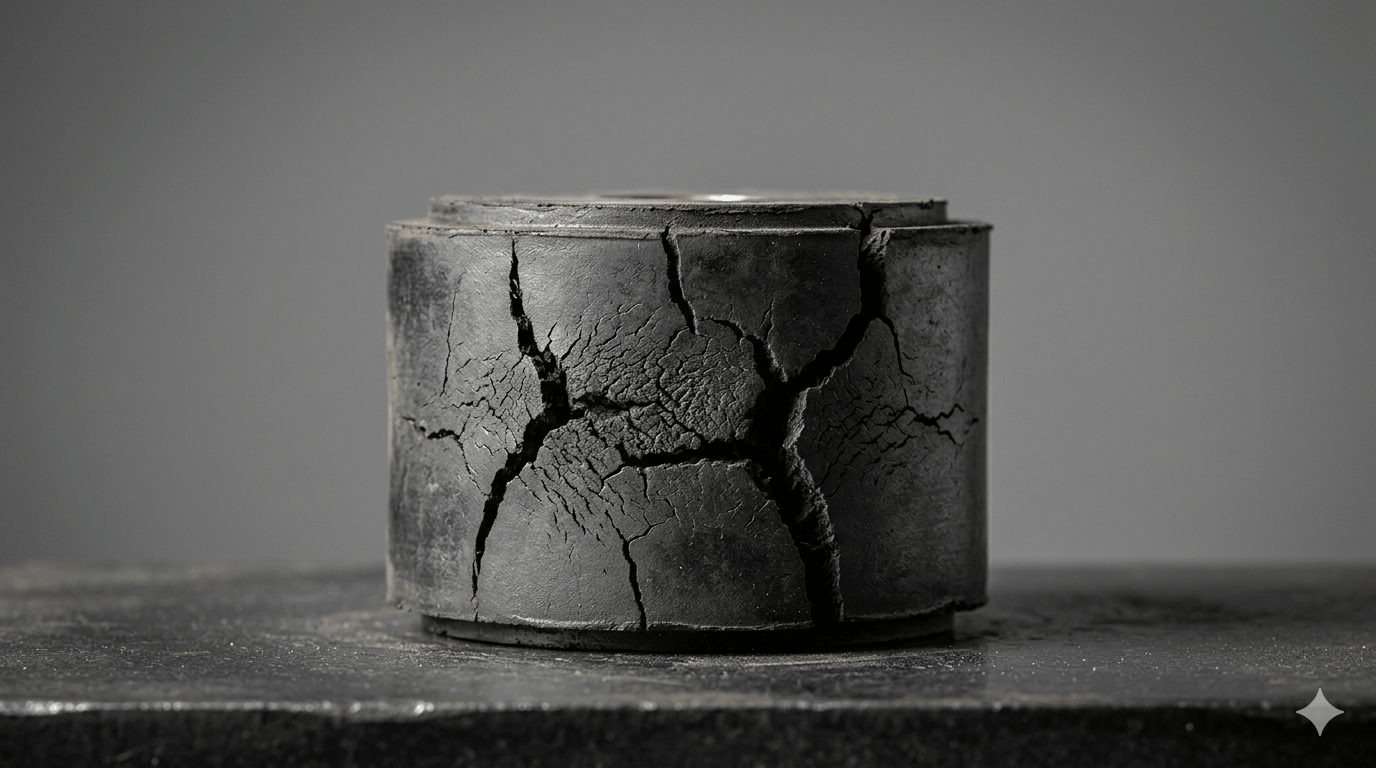
Industrial Buffers: Why They Crack Under Repeated Impact and How to Prevent Failure B036
Industrial Buffers leads to costly downtime. This guide explores the mechanical causes of impact failure—from material fatigue to poor bonding—and how Ginotek’s engineered solutions ensure long-term reliability for heavy industry applications.
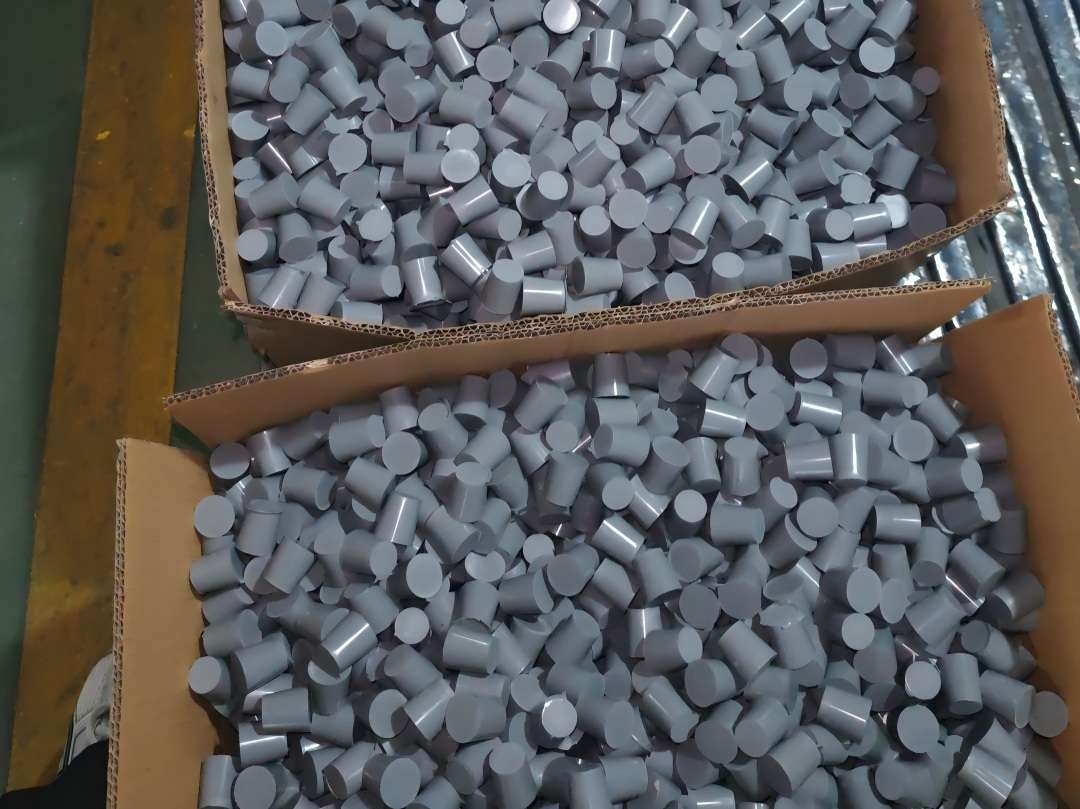
Rubber Shore Hardness Scales (A, D, OO): The Ultimate Guide to What They Really Mean for Your Industry—A Game-Changing Insight B025
This comprehensive technical guide explains the concept of Rubber Shore Hardness, detailing the various durometer scales (A, D, OO) used to measure elastomer flexibility.
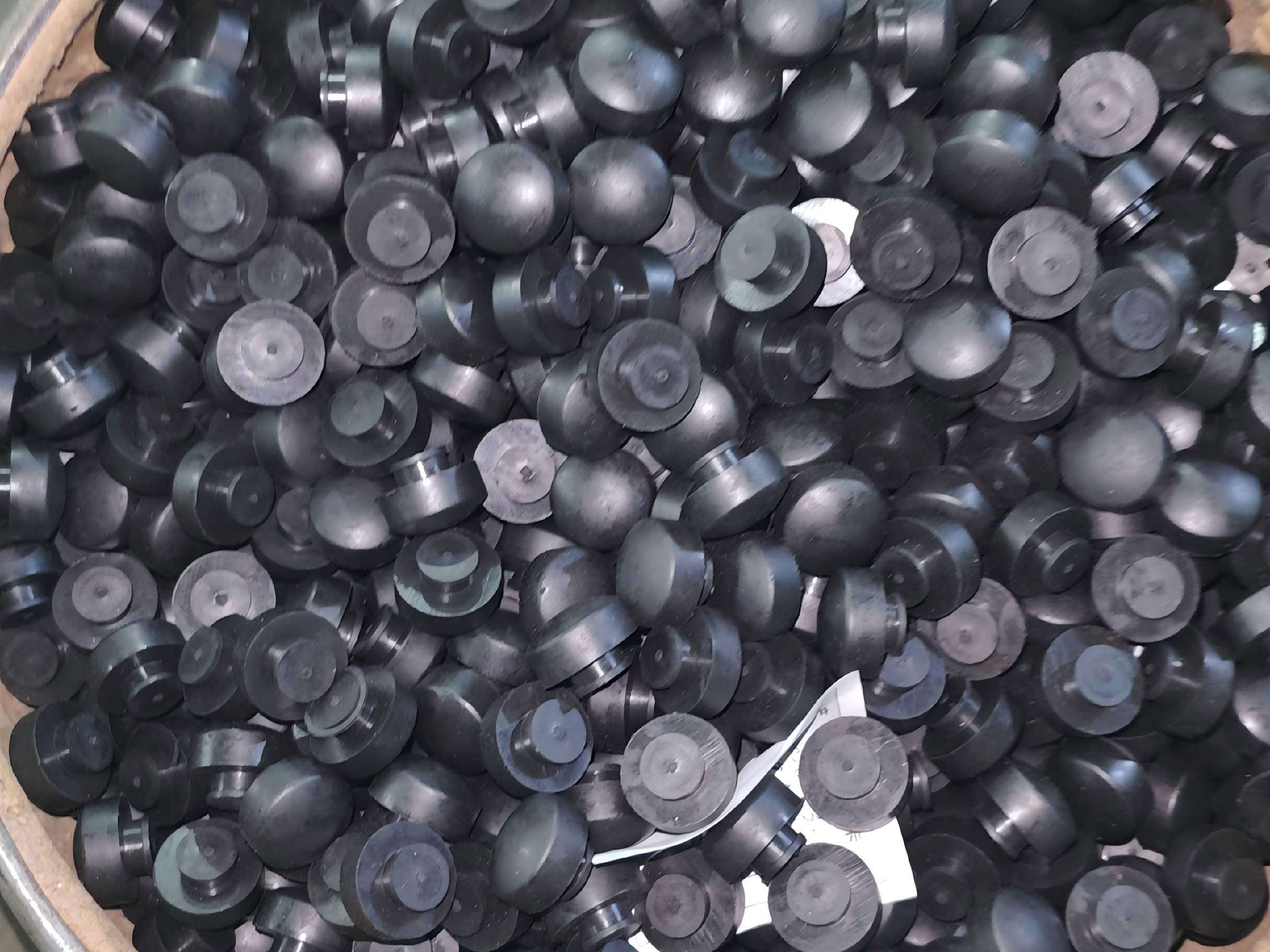
Compression Molding Materials: The Proven Ultimate Guide for Rubber Industry Beginners B024
This comprehensive guide compares traditional rubber mounts with high-tech hydraulic versions, explaining why precision-engineered rubber is frequently the superior choice for long-term reliability and cost-effective repair.
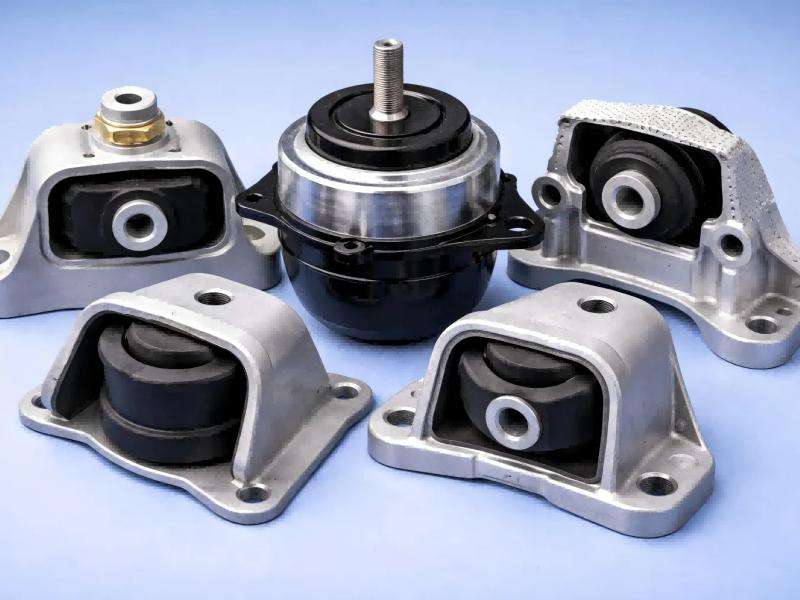
Bad Engine Mount Symptoms: Causes, Signs, and Risks of Driving With a Failed Mount B017
This article clearly explains typical Bad Engine Mount Symptoms, why engine mounts fail, and the risks of driving with damaged mounts. Understanding these signs helps prevent further damage and ensures driving safety.
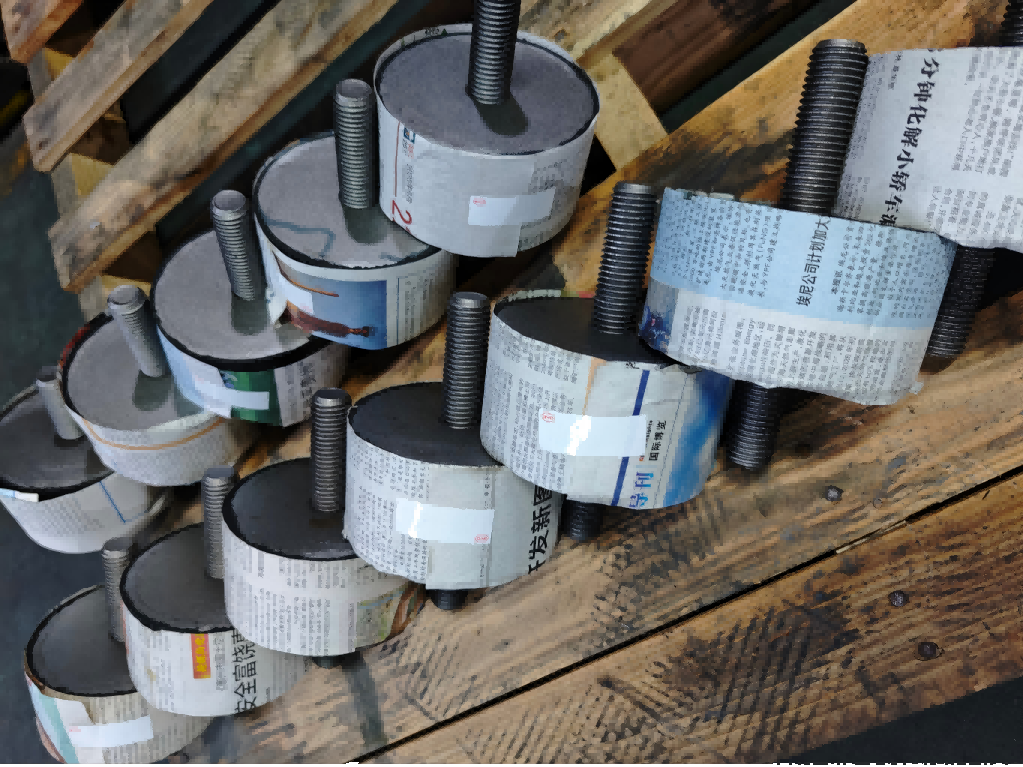
Best Vibration Damping Material: 3 Top Oil-Resistant Solutions Featuring Ginotek Applications B015
This article outlines the Best Oil-Resistant Vibration Damping Material options for oil‑exposed environments, comparing performance, temperature resistance, and durability. It also includes real applications from Ginotek across the elevator, automotive, and industrial sectors.