Rubber’s Elastic Legacy: 3 Revolutionary Key Phases Shaping Modern Industrial Sustainability Transformation
Rubber’s Elastic Legacy: 3 Key Phases Shaping Modern Industrial Sustainability
This corporate insight explores Rubber Elastic across three defining phases, highlighting its industrial impact, material evolution, and sustainable future, while demonstrating how innovation, responsible sourcing, and advanced engineering continue to shape modern industrial rubber solutions.
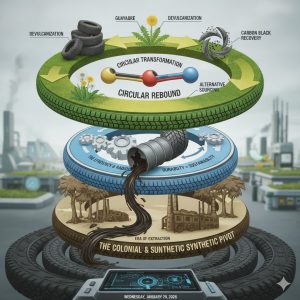
Rubber’s Elastic Phase One: Resource Extraction and Early Industrial Demand
- The foundation of Rubber Elastic lies in its natural origins and early industrial demand. During the late 19th century, natural rubber became a critical raw material as global transportation and mechanical systems rapidly expanded. Rubber’s inherent elasticity, resilience, and insulation properties positioned it as an irreplaceable industrial resource.
- However, this early phase relied heavily on unregulated extraction and colonial supply chains. From a modern corporate perspective, this period underscores the importance of responsible sourcing and transparent material origins. Today’s rubber industry has learned from these historical limitations, embedding compliance, traceability, and ethical procurement into Rubber Elastic supply systems.
- This evolution marks the first step toward a more accountable industrial rubber ecosystem.
Rubber’s Elastic Phase Two: Industrialization and Engineered Performance
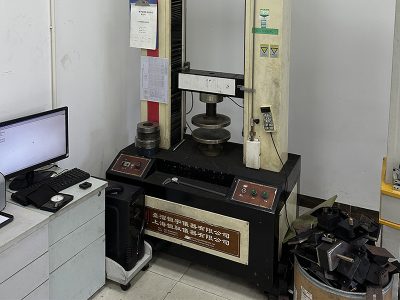
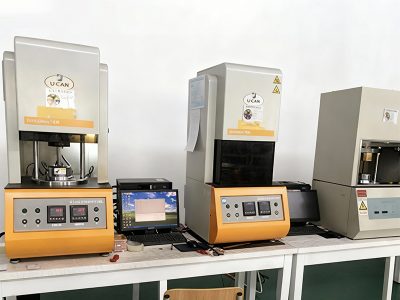
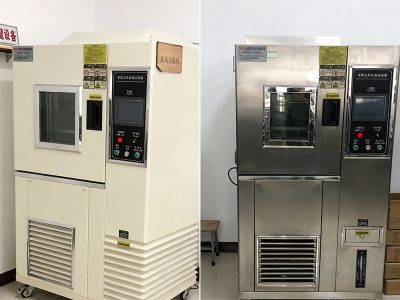
- The second phase of Rubber Elastic coincided with large-scale industrialization. As the automotive, manufacturing, construction, and aerospace sectors expanded, rubber transitioned from a natural commodity into a precision-engineered material. During this period, material formulations, processing technologies, and performance standards advanced rapidly, enabling rubber components to deliver consistent mechanical properties, improved durability, and reliable performance in complex industrial systems.
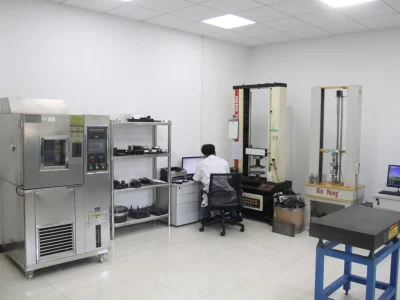
- Advancements in formulation science, synthetic rubber development, and standardized testing transformed industrial rubber solutions into highly reliable components. Applications such as vibration isolators, seals, gaskets, and shock absorbers became essential for equipment stability, safety, and longevity across demanding industrial, automotive, and infrastructure environments.
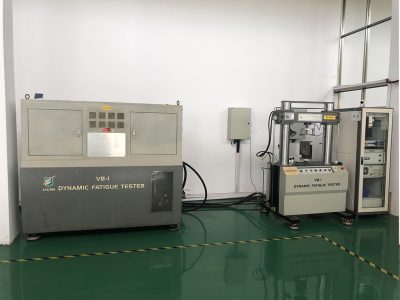
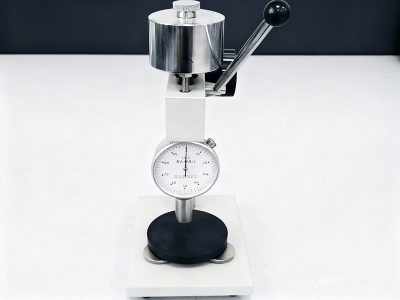
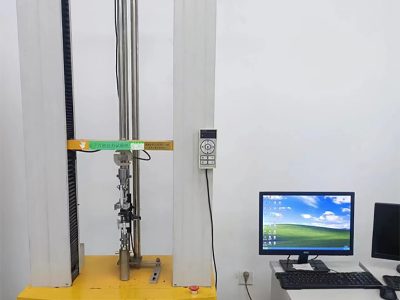
- During this phase, Rubber Elastic performance was no longer defined solely by flexibility, but by measurable metrics such as damping efficiency, fatigue life, thermal resistance, and load-bearing capacity. These developments established rubber as a strategic engineering material rather than a supporting accessory.
Rubber’s Elastic Phase Three: Sustainability and Advanced Material Innovation
- Today, Rubber Elastic is entering a sustainability-driven era. Environmental regulations, carbon reduction goals, and green manufacturing standards are reshaping material selection across industries. Modern enterprises now prioritize sustainable rubber materials that balance performance with environmental responsibility.
- Innovations such as low-VOC compounds, recyclable rubber systems, bio-based polymers, and nano-reinforced elastomers are redefining rubber’s capabilities. Lifecycle optimization—covering durability, maintenance, and end-of-life recycling—has become central to how Rubber Elastic products are engineered and deployed.
- For enterprises, this phase represents a strategic opportunity: reducing environmental impact while enhancing product reliability and long-term value.
The Business Value of Rubber’s Elastic Evolution
- From a corporate standpoint, the evolution of Rubber Elastic reflects broader industrial transformation driven by advancing technology, tightening regulations, and rising sustainability expectations. Companies that understand this progression are better positioned to make informed material decisions, comply with global standards, and build resilient, transparent supply chains. This strategic awareness also enables organizations to manage risk, improve product reliability, and align long-term growth with environmental and social responsibility objectives.
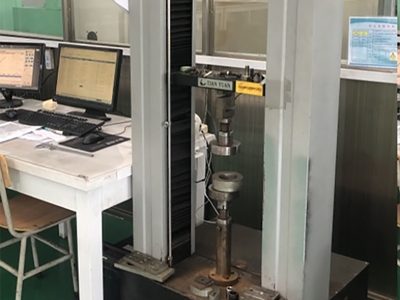
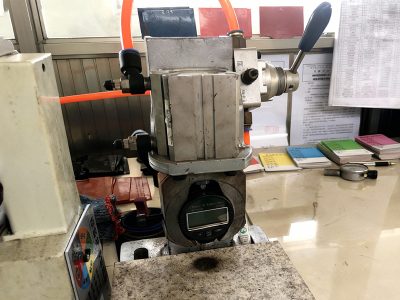
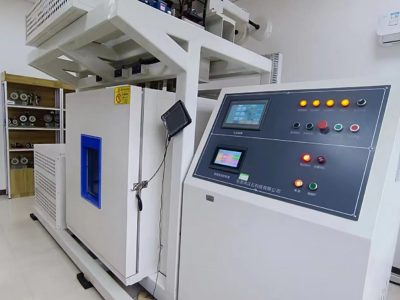
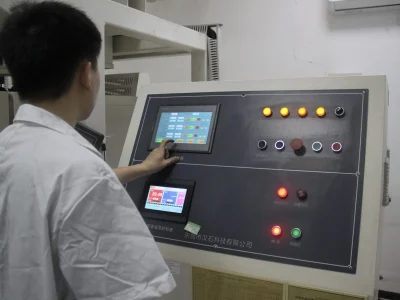
- By integrating advanced testing protocols, certified raw material sourcing, and environmentally conscious product design, modern rubber manufacturers ensure that Rubber Elastic solutions deliver consistent performance while meeting increasingly strict operational, environmental, and regulatory expectations across global markets.
Conclusion: Building a Responsible Future with Rubber’s Elastic
- The journey of Rubber’s Elastic—from raw extraction to engineered sustainability—demonstrates the industry’s capacity for innovation and responsibility. As global industries continue to evolve, rubber remains a foundational material, now guided by performance precision and environmental stewardship.
- For enterprises seeking reliable, compliant, and future-ready solutions, Rubber’s Elastic is no longer just a material choice—it is a strategic commitment that supports long-term performance, regulatory compliance, sustainability objectives, and competitive advantage in evolving global markets.


Related Posts
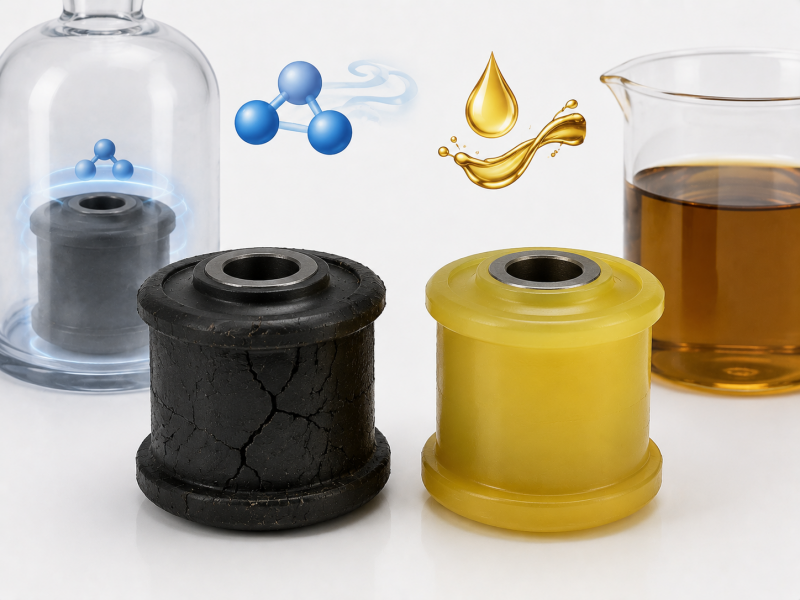
Reliable Rubber Bushings vs Polyurethane: Which Lasts Longer Under Ozone and Oil Exposure? B117
Evaluating rubber bushings vs polyurethane for suspension longevity? This guide reveals why customized composite rubber outperforms standard PU under harsh atmospheric ozone and undercarriage fluid exposure.
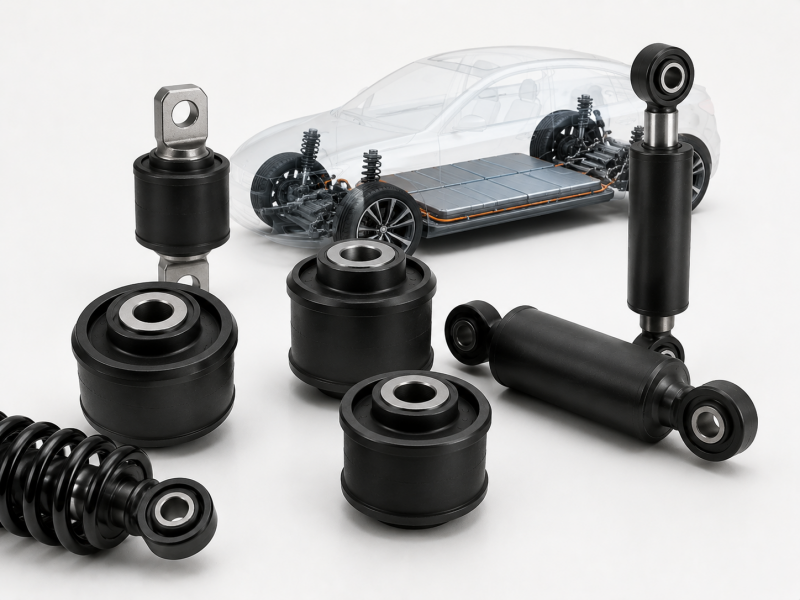
Rubber Bushing for Shocks: Reliable Engineering Durability for Electric Vehicles B116
Upgrading to a specialized rubber bushing for shocks is essential for electric vehicles to handle increased battery weight, high-frequency motor vibrations, and instant torque stresses while maintaining cabin quietness.
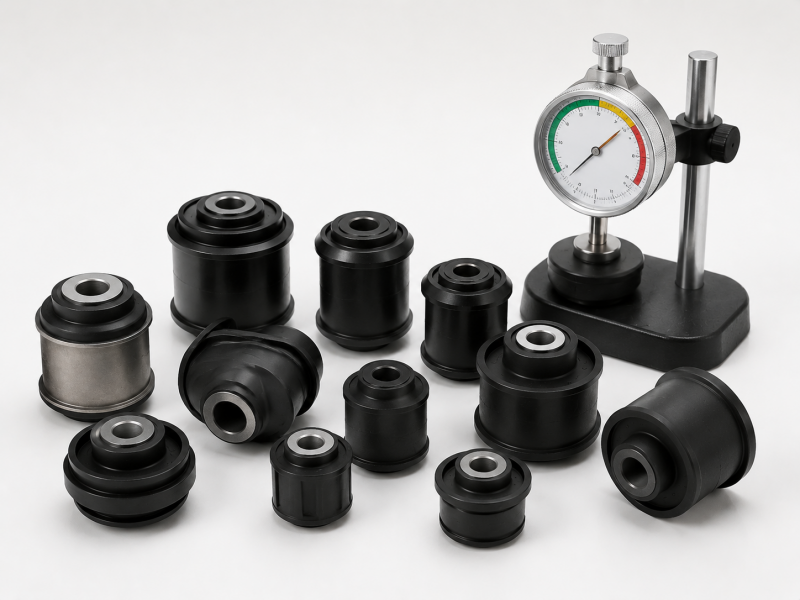
Rubber Bushings for Cars: The Reliable Shore A Hardness Guide for Distributors B115
Selecting the right Shore A hardness for rubber bushings for car ensures driving comfort and steering stability, helping global distributors eliminate product returns and expand wholesale profits.
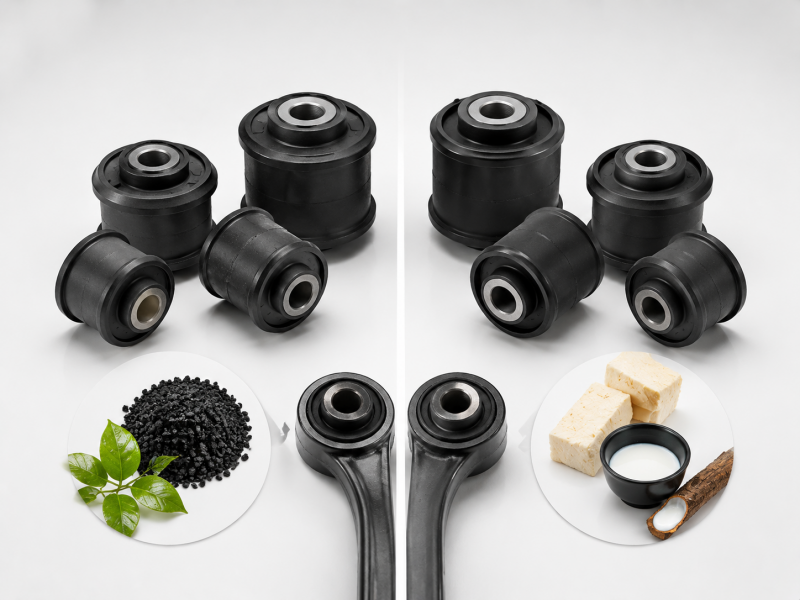
Replacement Rubber Bushings Suspension: EPDM vs. Natural Rubber Guide B114
Choosing the right material for replacement rubber bushings suspension is critical. This guide compares EPDM and Natural Rubber to help global distributors optimize inventory, climate adaptability, and profit margins.
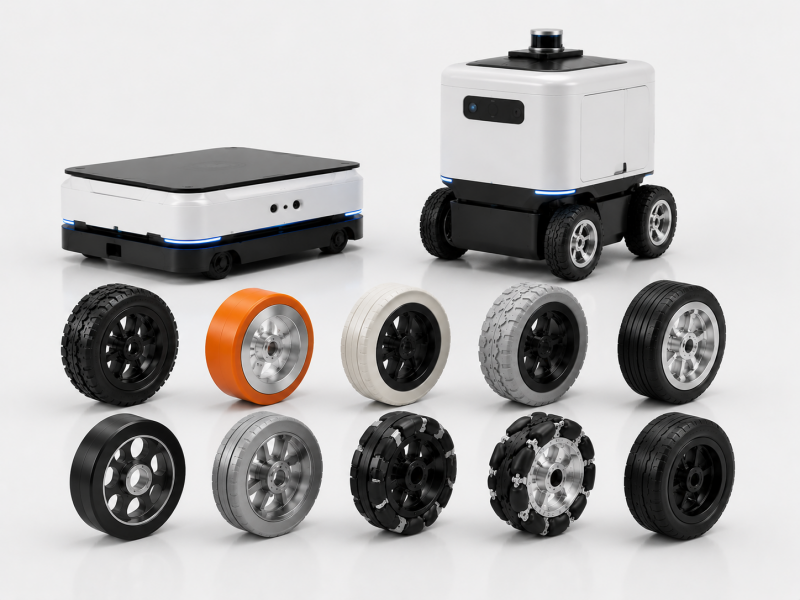
Custom Robot Car Wheel Manufacturer: Reliable Driving with Ginotek B111
This article explores the defining manufacturing trends transforming autonomous mobile platforms and highlights how a specialized custom robot car wheel manufacturer optimizes performance, durability, and cost-efficiency.
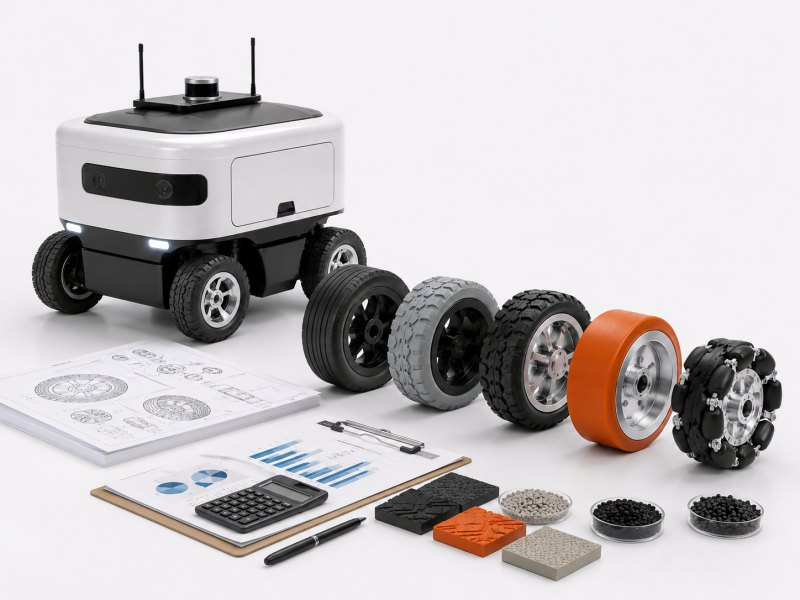
OEM Rubber Wheels for Robot Cars: The Reliable Ultimate Cost Blueprint by Ginotek B110
This article breaks down the cost structure of OEM rubber wheels for robot cars, detailing material, production, and R&D costs across different applications to help manufacturers maximize profitability.
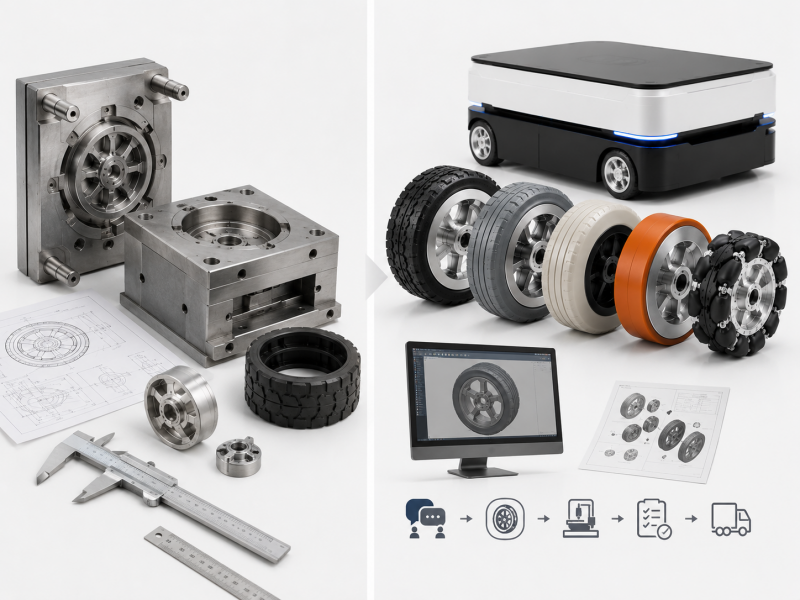
Wheels for a Robot: The Proven Integrated OEM Customization B109
This strategic analysis examines the financial and technical bottlenecks of self-built mold workshops for manufacturing wheels for a robot, showcasing how Ginotek’s one-stop OEM solutions maximize industrial fleet deployment.
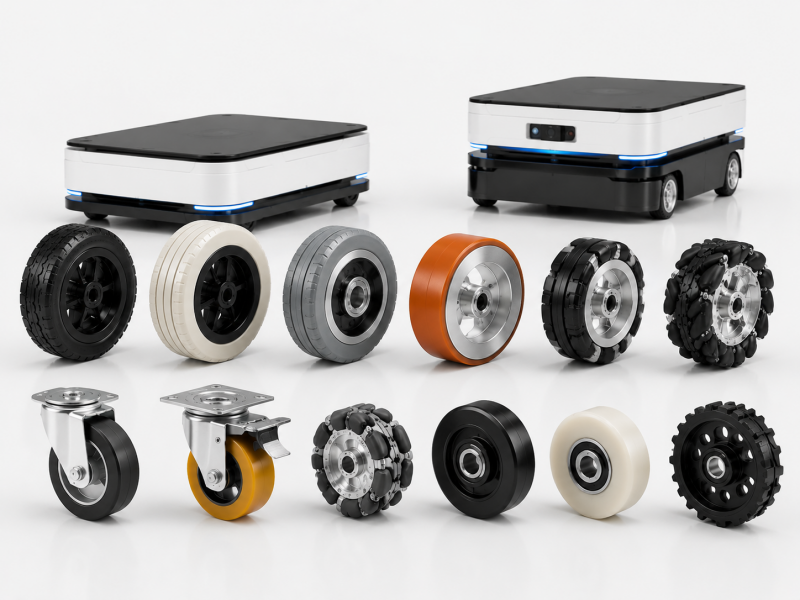
Types of Robot Wheels: The Definitive Reliable Guide to AMR and AGV B108
This industrial guide analyzes the seven core types of robot wheels, detailing their mechanical trade-offs and showcasing how Ginotek’s engineered OEM/ODM drive wheels maximize continuous smart factory uptime.
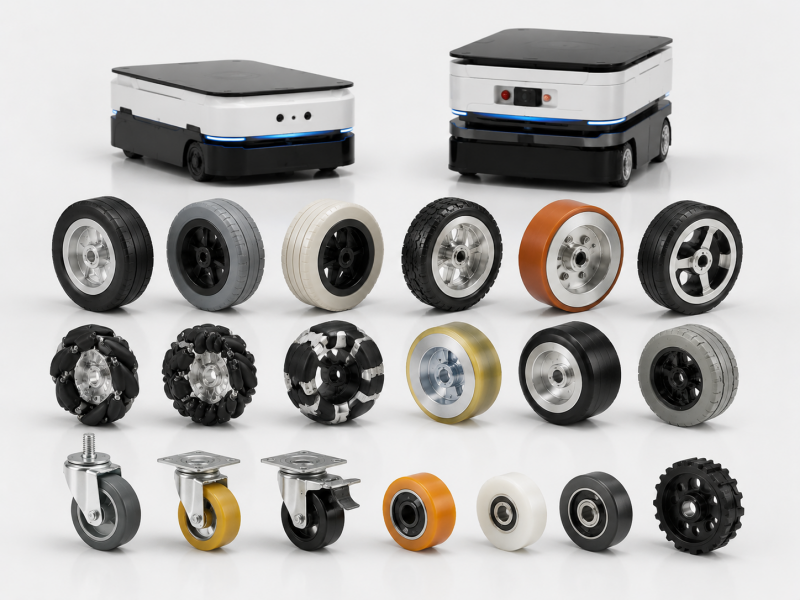
Types of Wheels for Robots: The Ultimate Reliable OEM/ODM Guide for AGV & AMR B107
This comprehensive guide analyzes the six major types of wheels for robots, comparing their structural pros and cons to help automation integrators select the ideal Ginotek custom mobility solution.
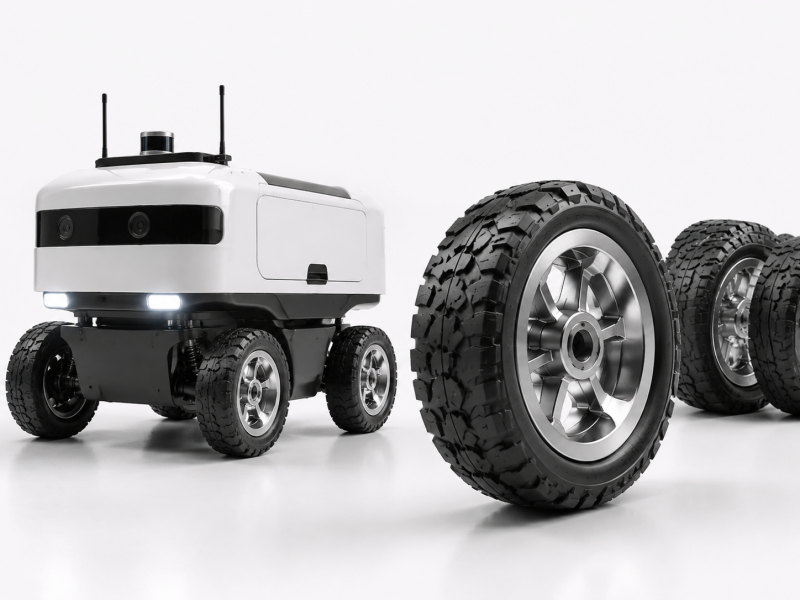
Rubber Tires for Robot: Ultimate Outdoor Anti-Slip Solutions for Delivery and Patrol Inspection Robots B106
This guide breaks down the baseline service life of industrial rubber tires for robot systems, analyzes premature wear root causes, and showcases how Ginotek’s custom engineering extends tire longevity.
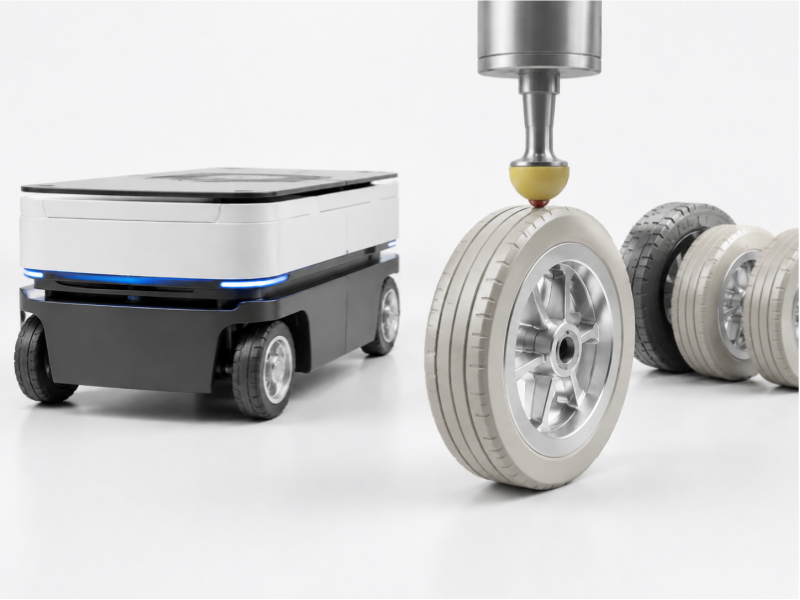
Rubber Wheels for Robot Car: How Custom Shore A Hardness for Reliable Performance B105
This guide explores how rubber hardness dictates traction and stability in rubber wheels for robot car designs, highlighting Ginotek’s tailored OEM/ODM solutions to eliminate wheel slippage.
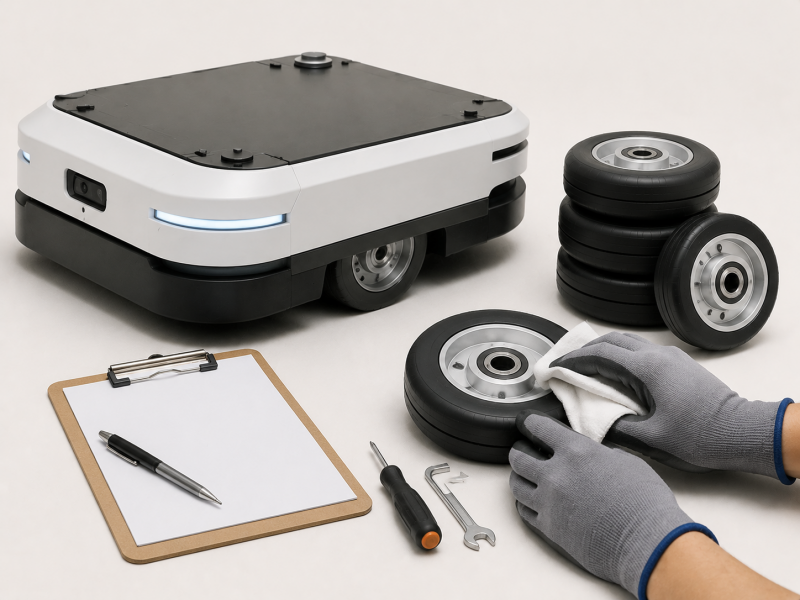
Wheels for Robotics: The Critical Ultimate Daily Guide for Peak AMR/AGV B104
This guide provides a practical daily inspection checklist for wheels for robotics, analyzes premature wear root causes, and explains how Ginotek’s custom polyur