
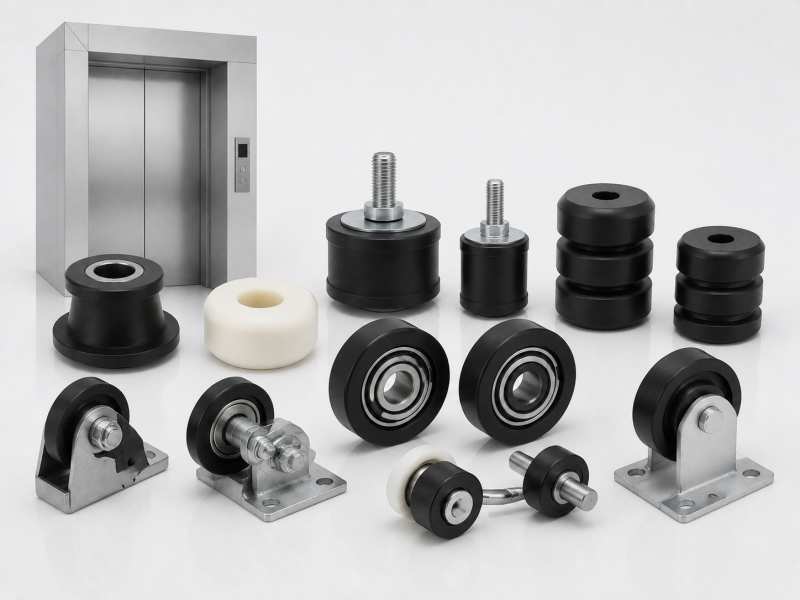
Elevator Parts Suppliers: Reliable Sourcing Budget-Friendly Rubber Buffers and Rollers B122
Elevator Parts Suppliers: Rubber buffers, guide rollers, and rubber door seals are the three most frequently replaced wear-and-tear com...
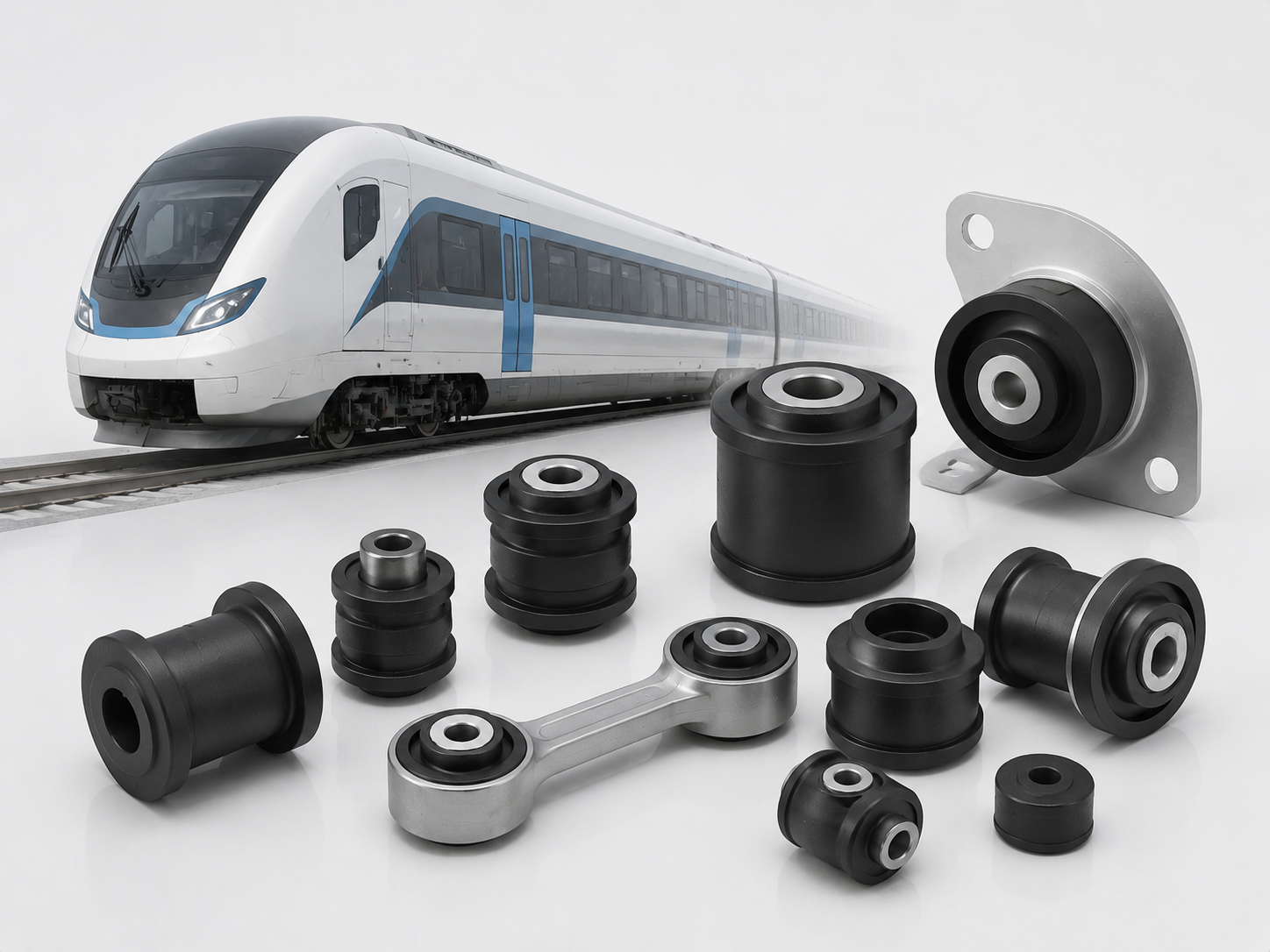
Rubber Bushing Types: Critical Optimizing High-Damping Solutions for Rail Transit Systems B121
Rubber Bushing Types: Wheel-rail friction, impacts during sharp bends, and frequent acceleration generate severe multi-frequency vibrat...
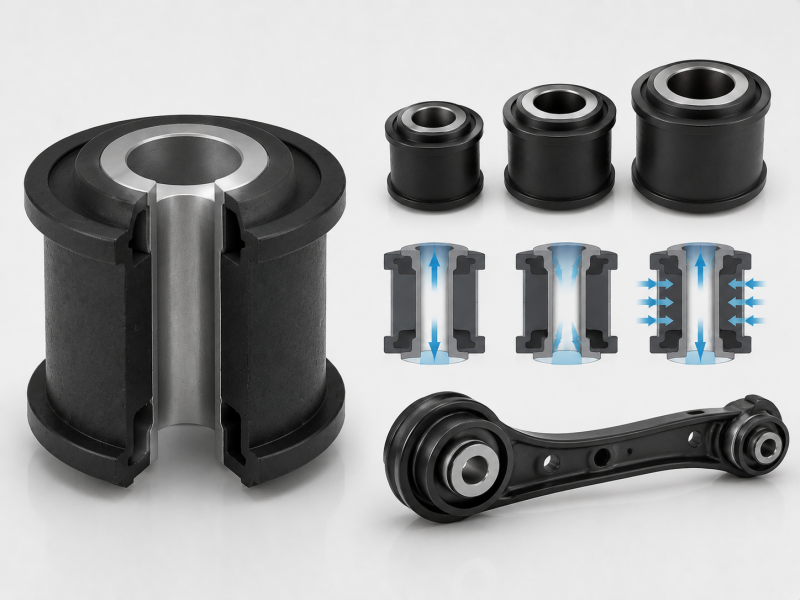
Rubber Bushing with Hole: How Inner Diameter Optimizes Load and Powerful Shock-Absorbing B120
This mechanical guide analyzes how inner diameter dimensions affect performance, helping procurement teams select the optimal central hole specifications for automotive and industrial equipment.
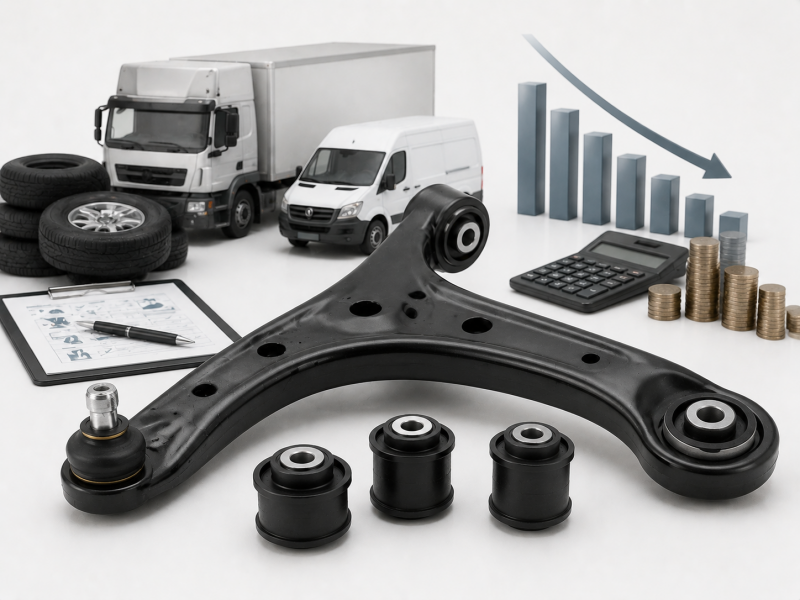
Control Arm with Rubber Bushing Reliable Sourcing: The Hidden Cost Drivers B119
This comprehensive guide exposes the hidden operational expenses triggered by neglected suspension components, showing how a high-quality control arm assembly protects commercial fleets from severe financial bleed.

Polyurethane Control Arm Bushings vs Rubber: The Hidden TCO Trap B118
This guide breaks down the total cost of ownership between cheap PU, OEM rubber, and premium polyurethane bushings, helping procurement teams avoid deceptive upfront unit-price traps.
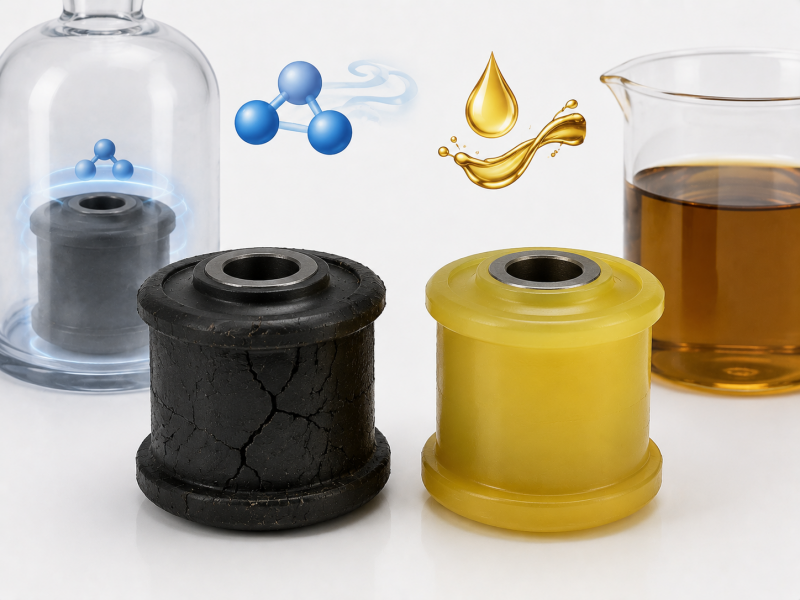
Reliable Rubber Bushings vs Polyurethane: Which Lasts Longer Under Ozone and Oil Exposure? B117
Evaluating rubber bushings vs polyurethane for suspension longevity? This guide reveals why customized composite rubber outperforms standard PU under harsh atmospheric ozone and undercarriage fluid exposure.
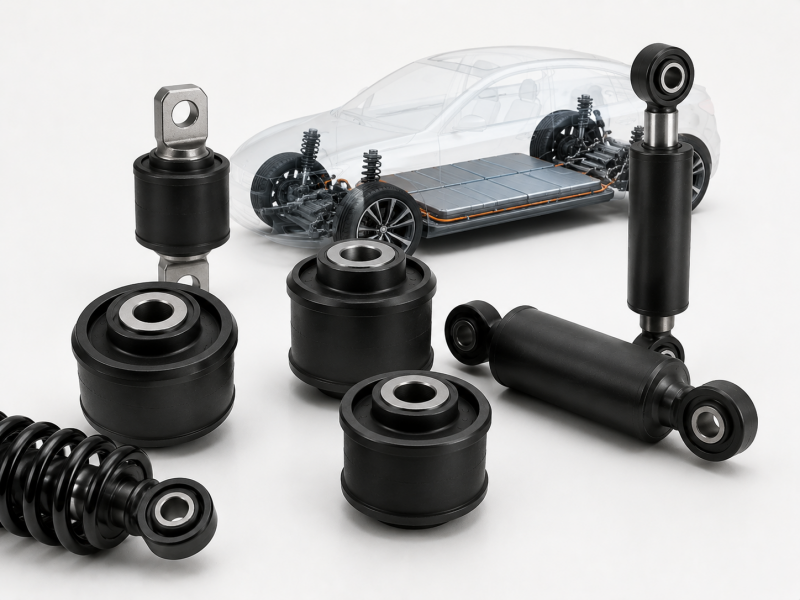
Rubber Bushing for Shocks: Reliable Engineering Durability for Electric Vehicles B116
Upgrading to a specialized rubber bushing for shocks is essential for electric vehicles to handle increased battery weight, high-frequency motor vibrations, and instant torque stresses while maintaining cabin quietness.
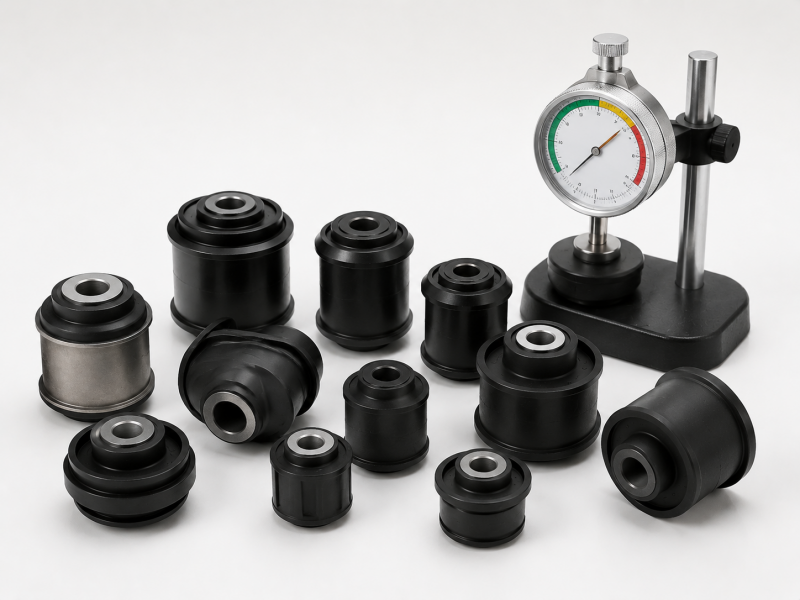
Rubber Bushings for Cars: The Reliable Shore A Hardness Guide for Distributors B115
Selecting the right Shore A hardness for rubber bushings for car ensures driving comfort and steering stability, helping global distributors eliminate product returns and expand wholesale profits.
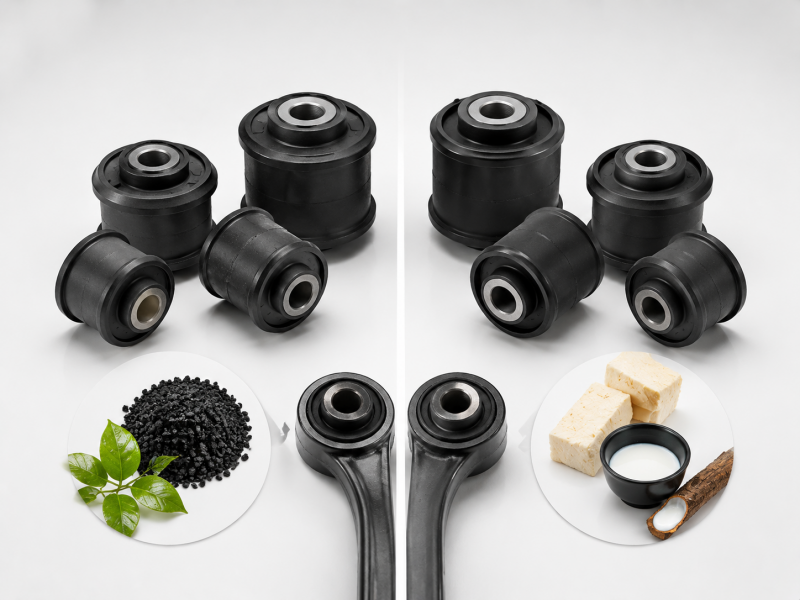
Replacement Rubber Bushings Suspension: EPDM vs. Natural Rubber Guide B114
Choosing the right material for replacement rubber bushings suspension is critical. This guide compares EPDM and Natural Rubber to help global distributors optimize inventory, climate adaptability, and profit margins.
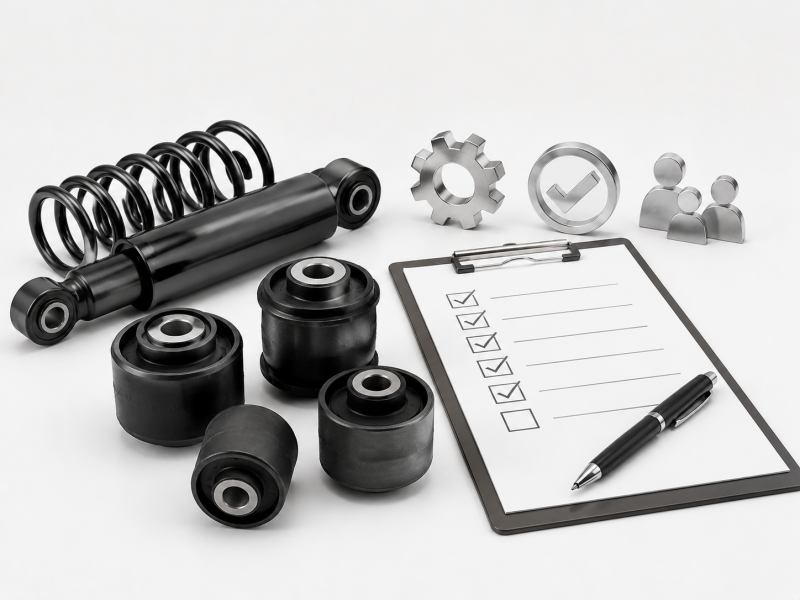
Rubber Bushings Suspension Manufacturing: How to Evaluate a Reliable Partner B113
This strategic guide outlines the four critical criteria for evaluating a reliable rubber bushings suspension manufacturer, demonstrating how Ginotek’s 30-year industrial expertise ensures premium component durability.
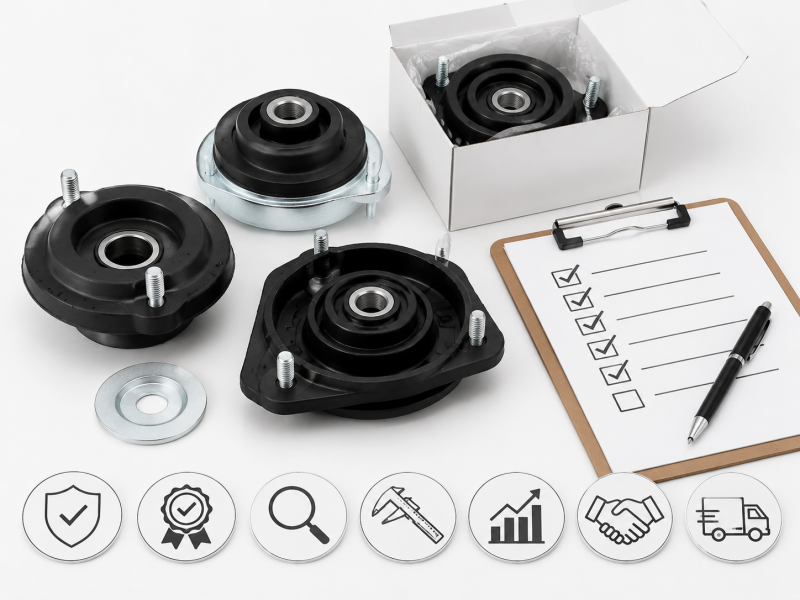
Strut Rubber Mount Procurement: Reliable 7 Key Standards for Auto Parts
This comprehensive guide outlines 7 non-negotiable manufacturing standards for sourcing a reliable strut rubber mount, helping auto parts distributors minimize component failure rates and secure long-term profitability.
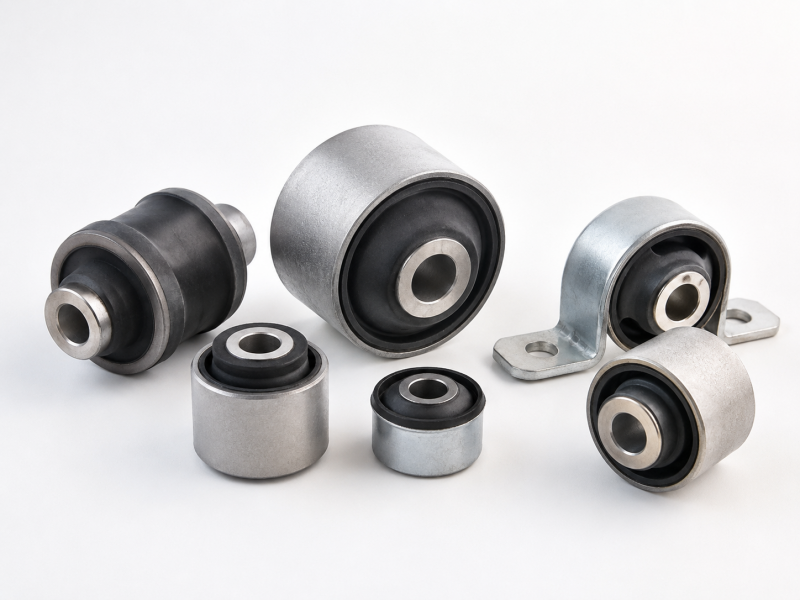
Rubber Bushings with Steel Sleeve: Reliable Industrial Machinery B085
This comprehensive guide explores how Rubber Bushings with Steel Sleeve protect heavy machinery by absorbing destructive vibrations, optimizing load distribution, and preventing premature structural wear in harsh industrial environments.
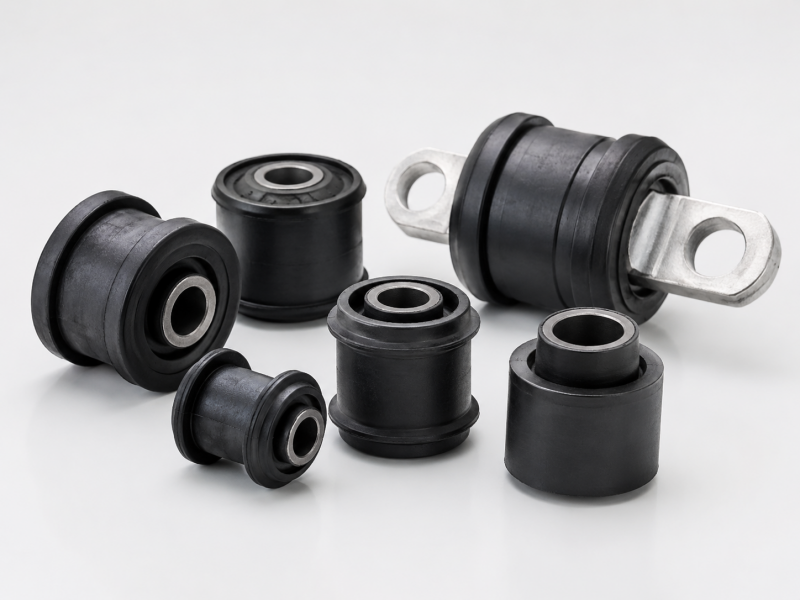
Rear Shock Absorber Rubber Bushes: Premium OEM Solutions B076
This article explores the critical role of Rear Shock Absorber Rubber Bushes in automotive stability and details Ginotek's expert OEM manufacturing capabilities, R&D strengths, and successful global application cases.
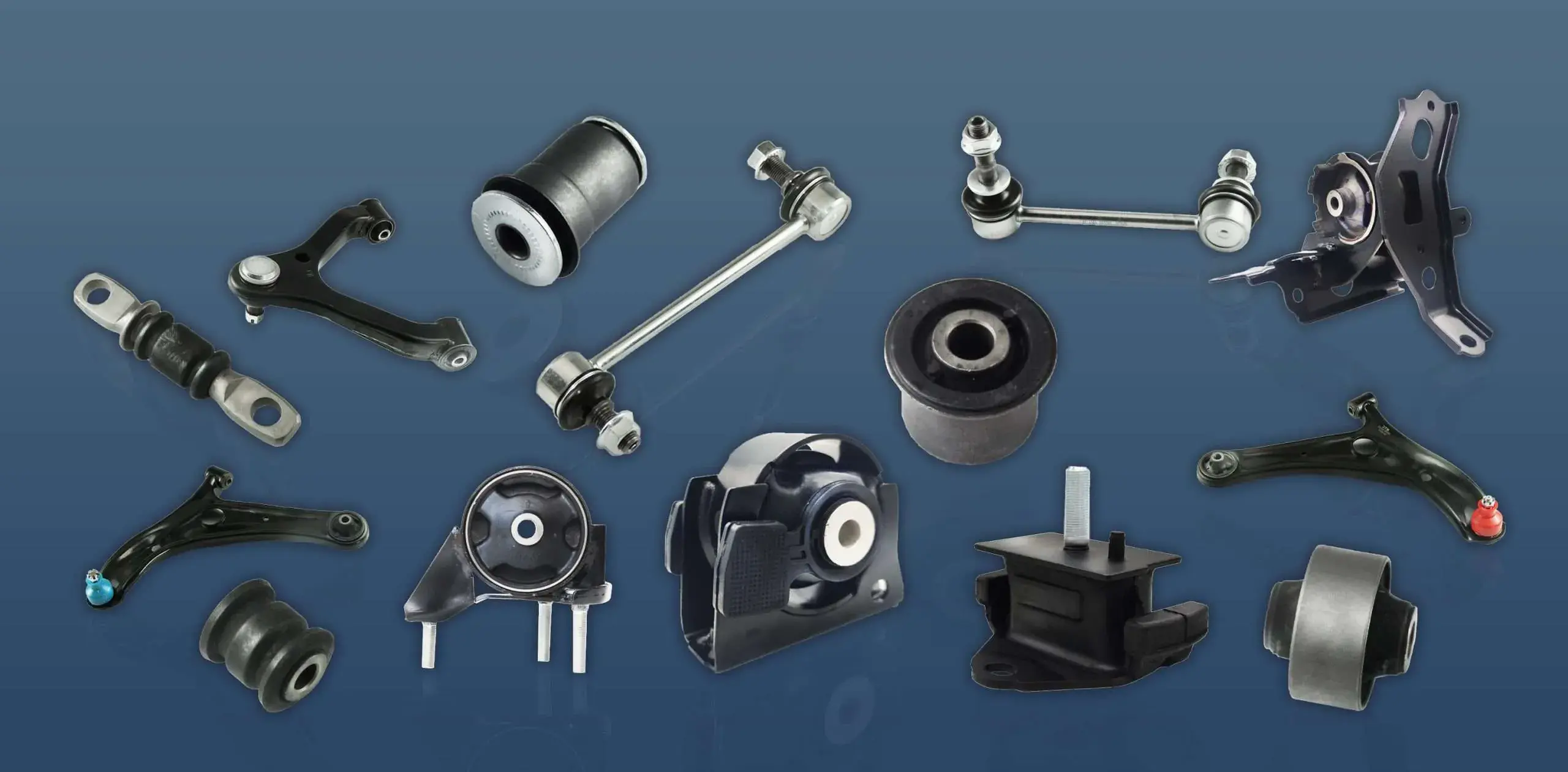
Engine Mount Front Selection Guide: The Ultimate Comparing OEM Rubber vs. Polyurethane for Optimal Performance B051
Choosing the right Engine Mount Front is essential for vehicle stability. This professional analysis compares OEM rubber's comfort with polyurethane's durability, highlighting Ginotek's specialized manufacturing and customization services for global wholesalers.
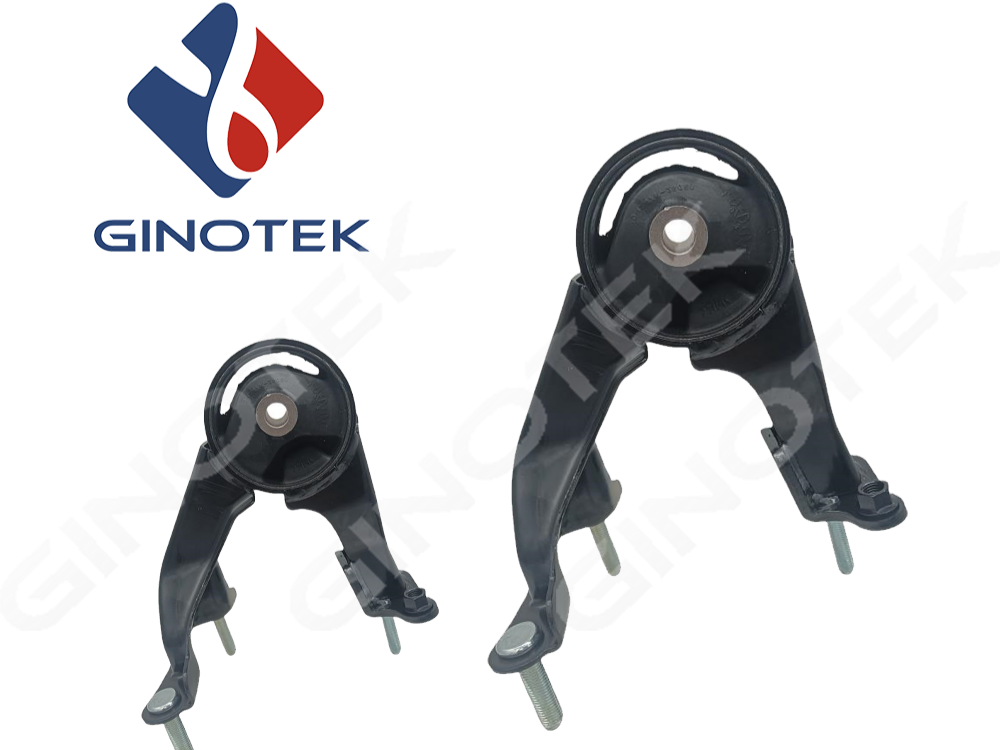
Symptoms of Bad Lower Engine Mount vs. Upper Mount Failure: Key Differences and Dangers B037
Misdiagnosing engine mount issues can be costly. This guide highlights the specific
Symptoms of Bad Lower Engine Mount and upper mount failure, explaining how Ginotek’s high-performance mounts ensure vehicle safety and long-term durability.
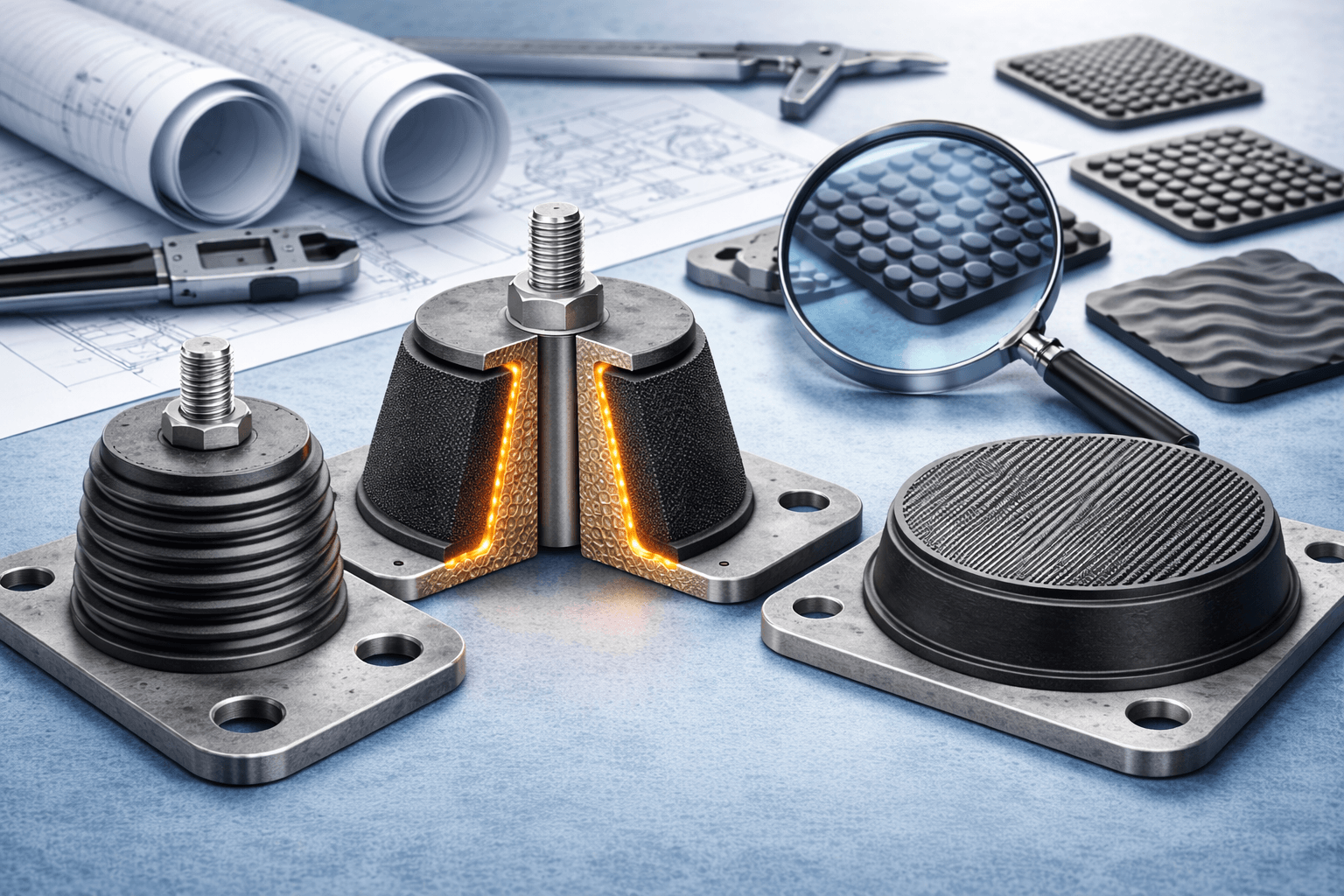
Anti Vibration Mounting and Surface Design: Why Texture is the Secret to Performance B034
This guide examines how surface texture impacts Anti Vibration Mounting performance. It highlights how surface finish affects stiffness, friction, and stress distribution, and explains how different textures improve vibration isolation, stability, and equipment lifespan.
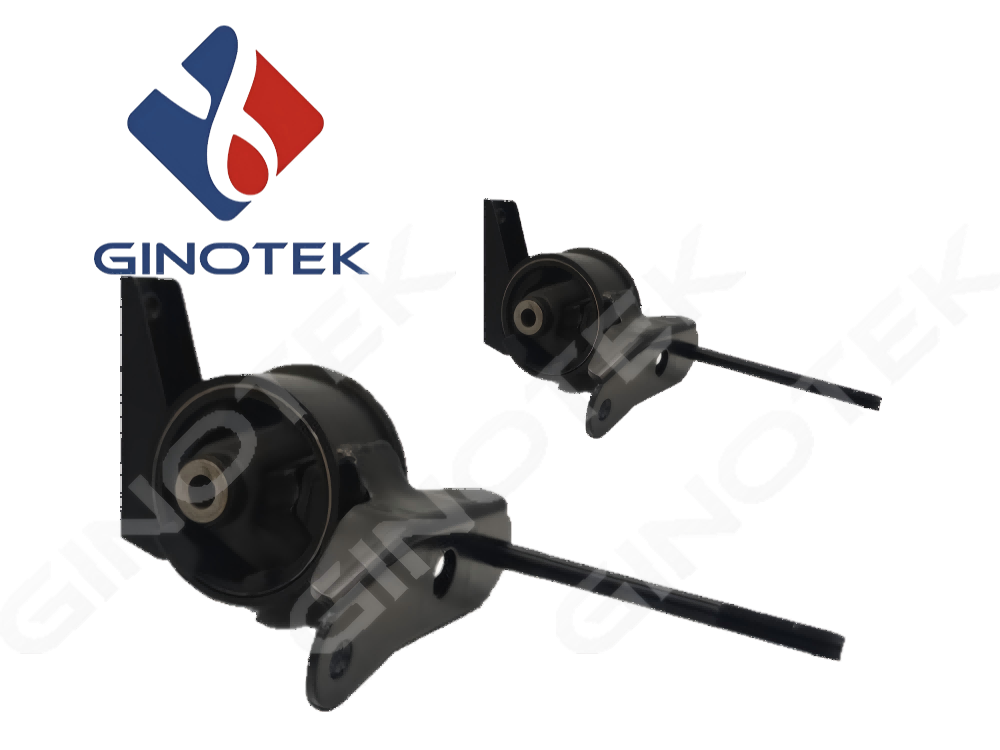
Signs of Bad Engine Mounts: Automatic vs. Manual Cars—Key Differences Explained B027
This Q&A guide explains Signs of Bad Engine Mounts in automatic and manual cars, highlighting key differences, symptoms, and inspection tips.
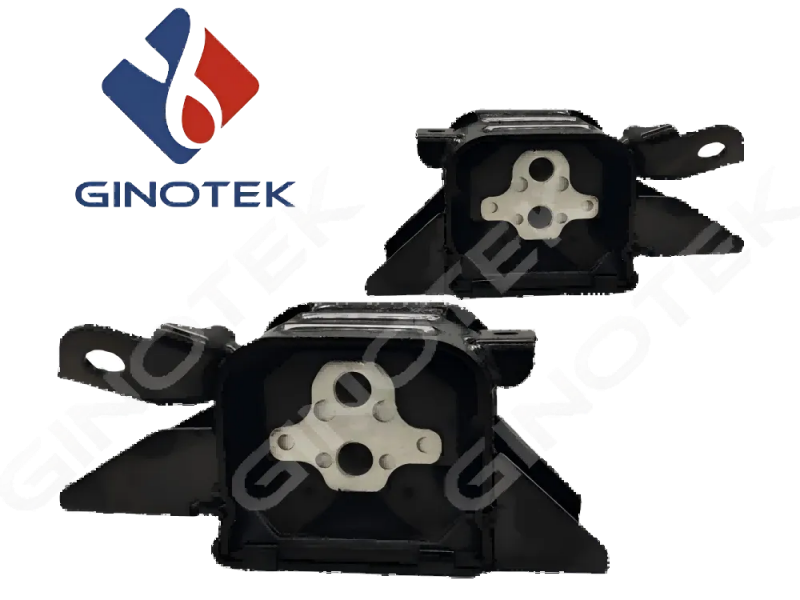
When to Replace Engine Mounts: A Complete Guide to Locations, Failure Signs, and Quantities B026
This comprehensive guide answers the most common questions regarding vehicle engine mounts. We explore their function, typical locations, the exact signs that tell you When to Replace Engine Mounts, and why one specific mount usually gives out before the others.
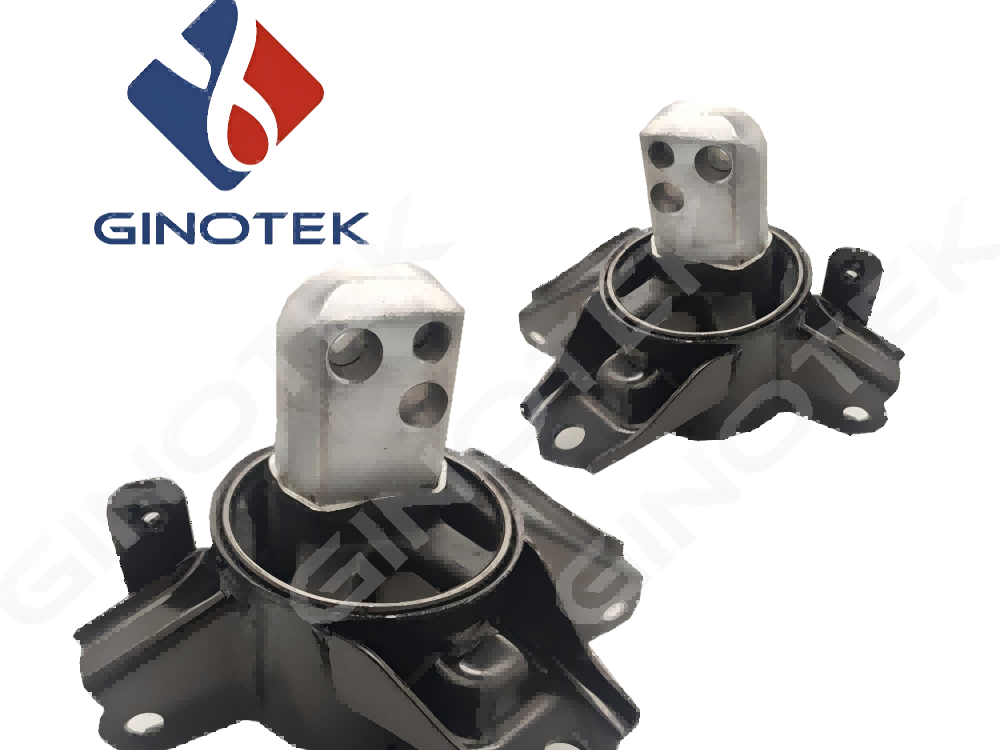
Vibration Dampening Mount: Customised vs Aftermarket Solutions—Which One Should You Choose for the Best Performance? B020
This article explains how to choose the right Dampening Mount, comparing Customised Vibration Dampening Mounts with Aftermarket Dampening Mounting, with a focus on performance, durability, and application-specific benefits.
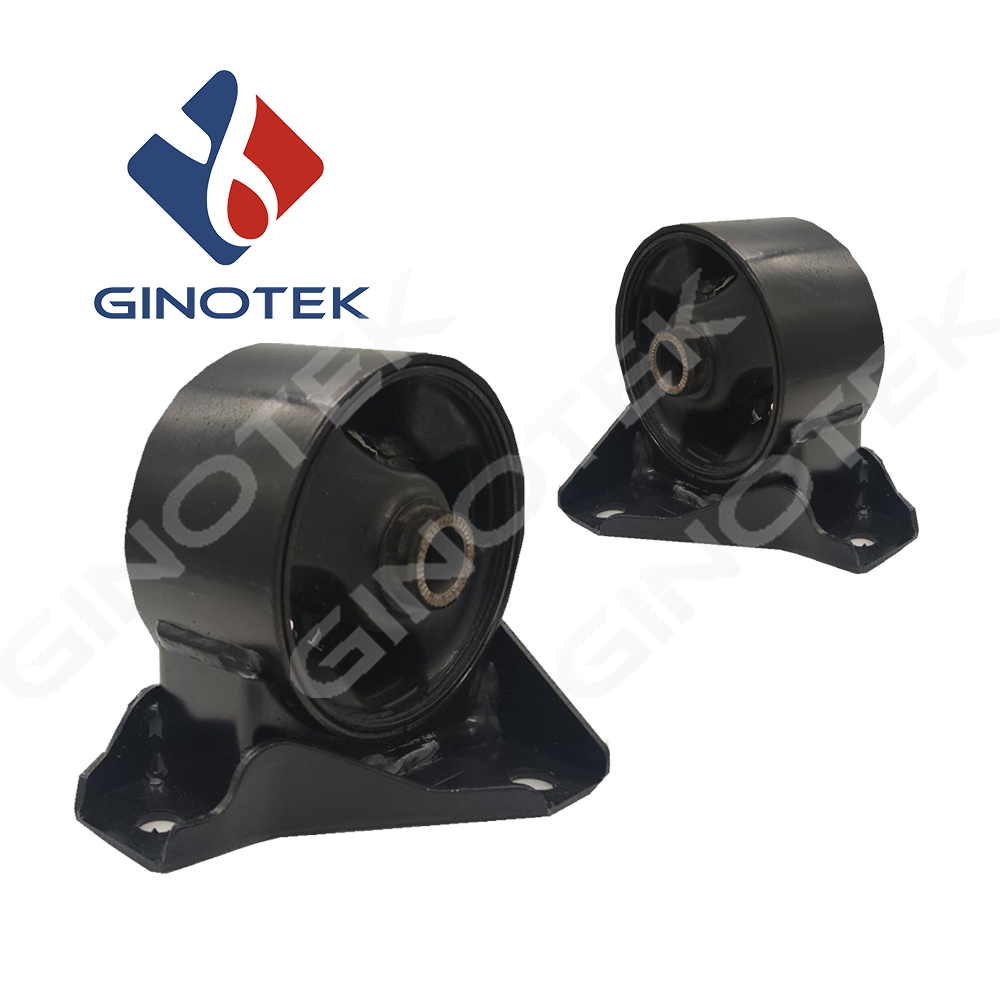
Loose Engine Mount: How to Instantly Tell If Your Engine Mount Is Loose or Damaged B019
This guide explains how to identify a Loose Engine Mount, distinguish it from a damaged engine mount, and maintain reliable engine mounts for optimal vehicle performance.